Tim Romero · · 5 min read
How this startup used crowdsourcing to help Japan during the Fukushima nuclear crisis
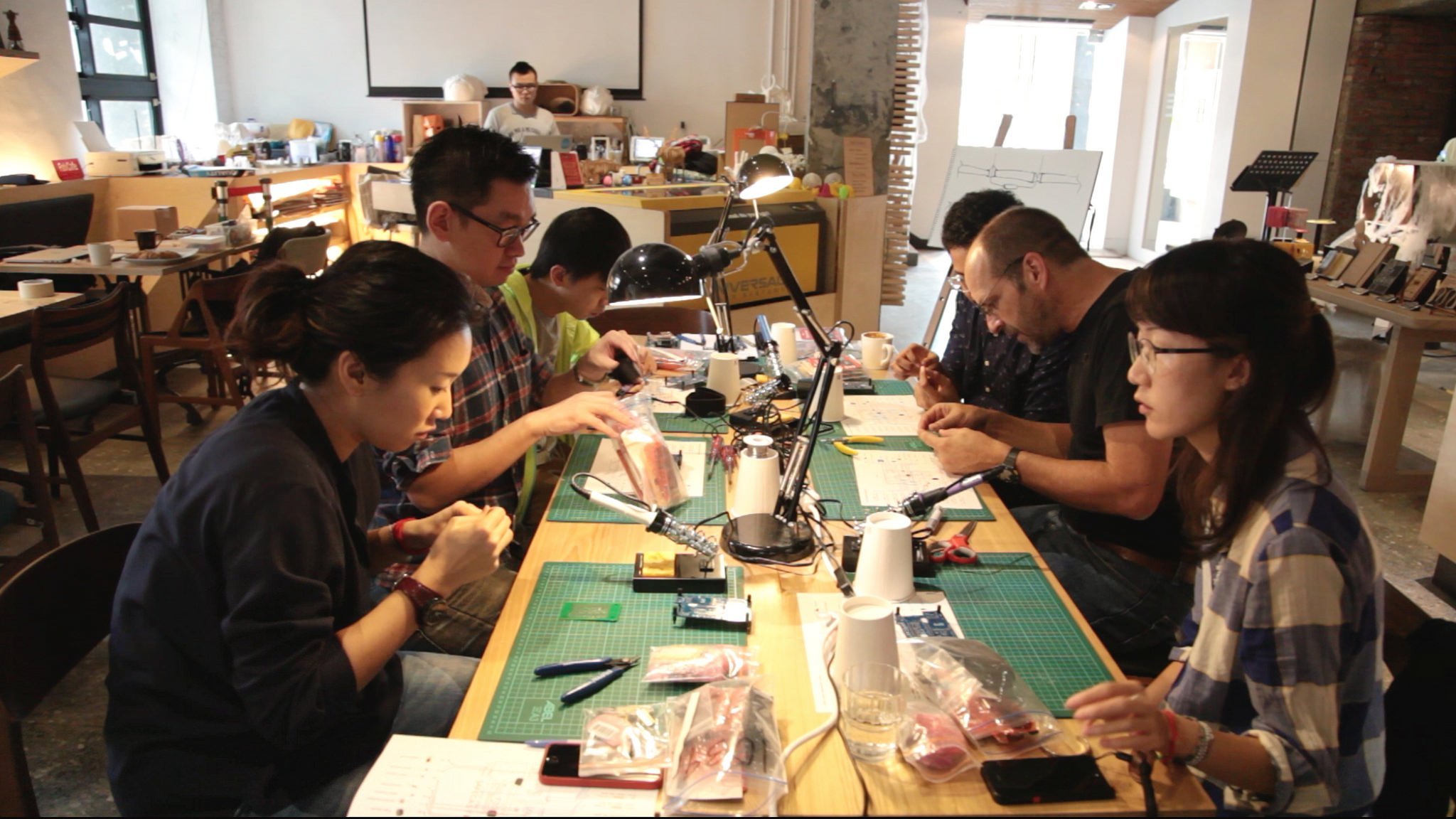
The Safecast team. Photo credit: The Safecast blog.
This article is part of Tech in Asia’s partnership with Disrupting Japan where we publish the revised transcripts from the show’s podcast interviews with Japanese entrepreneurs. This is heavily revised from the original transcripts. For the full interview, go here.
Crowdfunding and crowdsourcing in Japan gained popularity largely from projects related to the massive 2011 earthquake, the ensuing tsunami, and the Fukushima Nuclear Power Plant meltdown. In fact, the founders of some of Japan’s largest crowdfunding and crowdsourcing companies explain that they had to overcome this image of “crowdfunding as a social good” before their startups became truly successful.
I spoke with Pieter Franken of Safecast, one of the earliest examples of widespread crowdsourcing in Japan, on how they grew from a patchwork solution to a bigger organization. After the Fukushima nuclear disaster, the Japanese people were worried about radiation and, despite assurances from authorities that things were under control, remained highly skeptical.
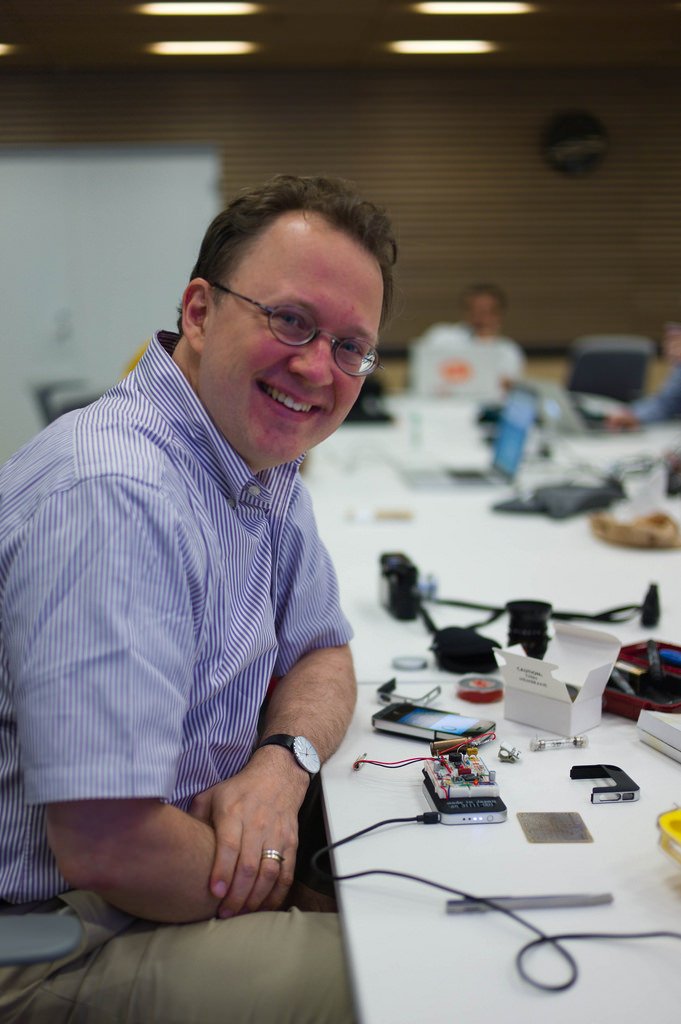
Pieter Franken, co-founder of Safecast.
Franken and his team started Safecast to make sure this lack of information transparency would never happen again. They began building low-cost Geiger counters that people could use to measure their local area for radiation and then upload the data into the cloud for anyone to check.
Here’s my interview with him.
What is Safecast?
Exactly six years ago in March 2011, we all witnessed the big earthquake and the Fukushima Daiichi Nuclear Power Plant disaster. This was really when Safecast started. The biggest problem was that there was no data on radiation exposure available. So we said, “We must know what is happening in the environment. How can we make this as open and transparent as possible?”
We actually thought that the information would be available but just hard to digest. However, that didn’t really fan out, as we realized that the information wasn’t available. So, we said, “OK. Maybe we can crowdsource the data.” The initial idea was to buy Geiger counters, give them to people, have them collect the data, and then we could publish the results. But shortly after the accident, all Geiger counters sold out worldwide because everybody in Japan needed one.
We then thought that maybe we could do what Google does—a street map view of radiation taken by driving around. So, we did a trial run. We hired a truck driver, gave him a Geiger counter and an iPhone, and we said, “Whenever you stop, just take a measurement and upload it.” So this was kind of the first version.
This is still what we’re doing; we just automated the process.
Were you hiring affiliates or was it already a crowdsourcing community?
What makes this true crowdsourcing is that we didn’t direct people to go do anything. People would raise their hands and we would provide them equipment to go measure. We had maybe a maximum of 10 people in Tokyo that were working in the company, but we had way more people in the field.
The people who decided to participate were very varied. We had individuals like ourselves, but we also had companies that were already measuring other things on the streets, and they found our initiative interesting. We also had universities, local cities in Fukushima, and a non-government organization.
How do you maintain data integrity?
Are there other groups that are sharing, using, or contributing to this data?
You’ve received criticism from some people. What’s the basis for this?
Has the Japanese government been supportive?
How will citizen science develop in Japan over the next 10 years?
If you could change one thing about Japan now, what would you change?





Stay updated on the go with our mobile app.
Get latest insights with smoother, more personalized experience through TIA mobile app.