Sumit Chakraberty · · 6 min read
Snapdeal sale to Flipkart closer, but not a done deal yet: the real story
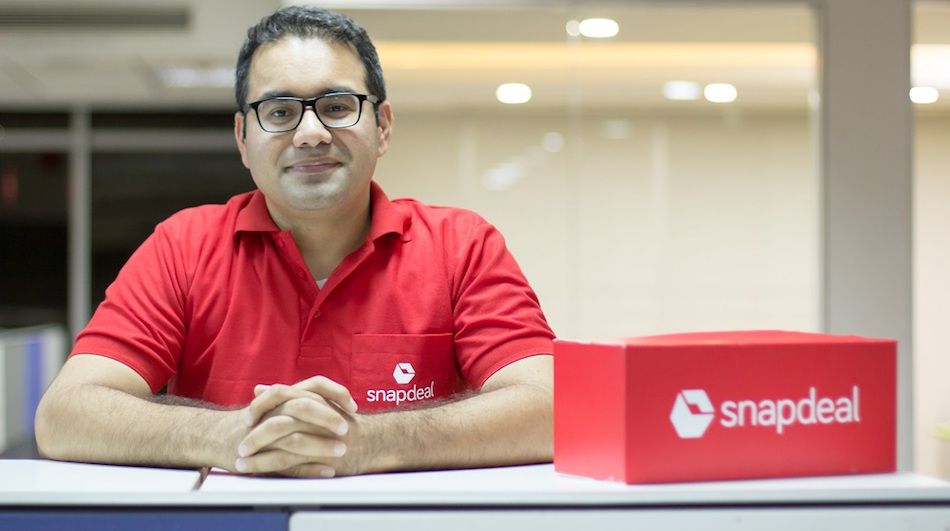
Snapdeal co-founder and CEO Kunal Bahl. Photo credit: Snapdeal.
The ongoing negotiation for the sale of Snapdeal to its larger Indian ecommerce rival Flipkart has let loose a barrage of reports in the media as well as a lot of speculation. The multiple versions of what’s happening behind the scenes have caused confusion in the tech ecosystem. Tech in Asia reached out to a source with first-hand knowledge of the negotiations to figure out what is real and what’s not at this point in time. Here’s what we learned.
Status of sale
Snapdeal’s last board meeting on Tuesday was less contentious than earlier ones and took a definite direction towards a merger of Snapdeal with Flipkart. The deal will be done in the next four to six weeks if discussions continue to make progress, but the shareholders have not agreed on the terms yet. “There can be many a slip between cup and lip,” said the source, but the investors are taking a more pragmatic view now.
Players at the table
Japanese giant SoftBank is the largest stakeholder in Snapdeal – it invested around US$900 million for 33 percent of the company. Early investors Kalaari Capital and Nexus Venture Partners, holding 8 percent and 10 percent of equity, respectively, are on the board, as are the founders Kunal Bahl and Rohit Bansal, who hold about 6.5 percent. SoftBank has two seats on the board.
Bone of contention
The main bone of contention is the valuation at which Flipkart will acquire Snapdeal in an all-stock deal, where Snapdeal shareholders will not receive cash but get Flipkart shares in exchange for selling their Snapdeal stake.
Snapdeal’s valuation was over US$6 billion at its peak early last year when it raised US$200 million from a Canadian pension fund. Investors and analysts have devalued it since then as its position in the market weakened. It shut down several areas of business and laid off hundreds of employees to stem the cash burn as it struggled to raise funds over the last year. The best-case scenario for it now could be a sell-off at a valuation of US$1 billion – but the early investors and the founders are negotiating to sweeten the deal.
Payout to Kalaari and Nexus
Terms of the deal may include a payout to Kalaari and Nexus, but nowhere near the US$100 million each being touted in some media reports. Kalaari sold some of its stock for US$100 million during Snapdeal’s mega funding round in late 2014. But that was more like a hedge than a big exit after taking early bets in Snapdeal way back in 2011 when ecommerce was nascent in India. Nexus, which joined Kalaari’s backing of Snapdeal in 2011, is more heavily invested.
Both Kalaari and Nexus stand between a rock and a hard place: if they hold out for better returns, they could see a slow death of Snapdeal starved of funds in the months ahead. For Kalaari, this would be the second time it gets Flipkart stock via an acquisition – the earlier one was Flipkart’s buyout of fashion portal Myntra, which was another of Kalaari’s early bets.
SoftBank’s entry in Flipkart
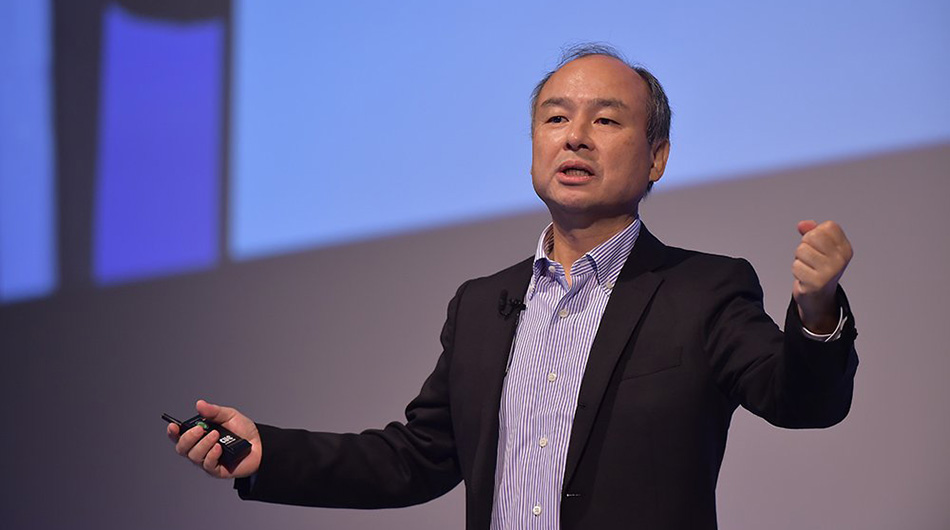
Masayoshi Son at SoftBank World 2016. Photo credit: @SoftBank.
In 2014, when SoftBank invested nearly a billion dollars in Snapdeal and Ola, its chairman and CEO Masayoshi Son pledged to invest US$10 billion in India over the next 10 years. On a visit to India towards the end of last year, after SoftBank marked down its investments in Snapdeal and Ola by US$550 million, he committed to going beyond the US$10 billion he had pledged.
So SoftBank sees itself as a large player in the Indian ecosystem. The sale of Snapdeal would give it a toehold in Flipkart, which is reported to have secured a new line of funding to the tune of US$1 billion and is raising more. Alibaba has meanwhile taken control of Paytm’s ecommerce arm with fresh funding to launch a Paytm Mall along the lines of Tmall in China. Amazon is already well-established in India. That leaves Snapdeal in fourth position going forward. SoftBank would rather cut its losses and take its chances with the stronger Indian player Flipkart.
Where does it leave the Snapdeal founders?
Snapdeal founders Kunal Bahl and Rohit Bansal have been vehemently denying reports of a sale in progress, but they appear to be more amenable to it behind the scenes than Kalaari and Nexus.
Nor would they be so badly hit financially by a marked-down all-stock sale as many would imagine. Kunal and Rohit made a cool US$12.3 million each by selling chunks of their shares at peak valuation in late 2015 to the Ontario Teachers’ Pension Fund. They have become angel investors in a number of startups since then. The two founders drew US$7 million each in annual compensation, mostly via stock options, in financial year 2014-2015.
IPO dream
What’s next





Stay updated on the go with our mobile app.
Get latest insights with smoother, more personalized experience through TIA mobile app.