 J.T. Quigley · · 3 min read
In the land of wacky vending machines, Japan’s NTT introduces a practical one for SIM cards
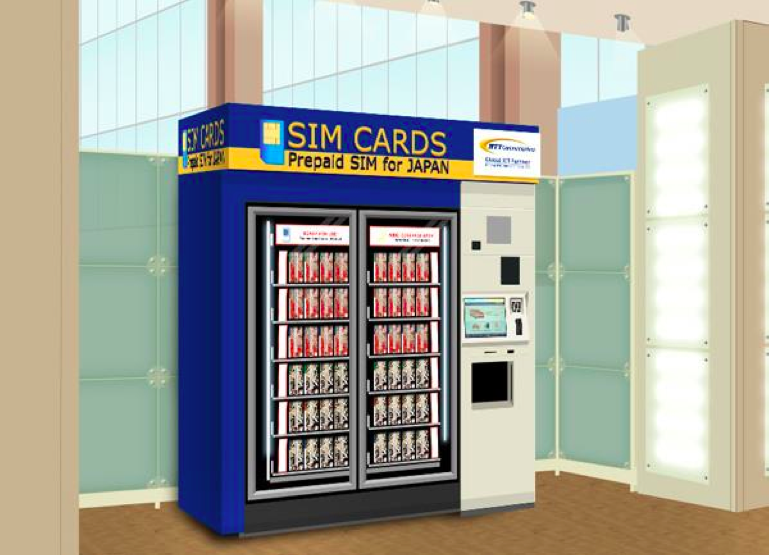
Unless this is your first day on the internet, you’re probably aware that Japan is home to some of the most bizarre vending machines on the planet. Canned bread, “used” panties, and pretty much anything in between are just a few coins away.
While there’s no lack of WTF in the world of Japanese vending machines, some of the quirky stuff is far from practical. NTT Communications, a division of Japanese telecommunications conglomerate NTT, may have introduced one of the most practical vending machines since the original cold drink dispenser: one that spits out prepaid SIM cards.
International jetsetters are no stranger to SIM card swapping at airports or shopping centers. Between language barriers and price negotiation, the whole process can be a major hassle. NTT alleviates this stress point by eliminating the need for human interaction in the first place. The firm deployed its first two SIM card vending machines last Friday: one at Kansai International Airport (KIX), near Osaka, and the other at the Aqua City shopping and entertainment complex in Tokyo’s Odaiba district. More are on the way.
“We’re negotiating the introduction of additional machines […] in more tourist-centric locations, as well as airports,” an NTT Communications spokesperson tells Tech in Asia. “The expansion will be achieved before the 2020 Tokyo Olympics.”
Japan hosted more than 13 million foreign tourists last year. With the Olympics looming large, the government has set a goal of attracting 20 million international visitors by 2020. With free wifi surprisingly hard to find, even in a megalopolis like Tokyo, many of those visitors will be inclined to purchase SIM cards. What would a trip to Japan be without Instagramming real sushi and women in kimonos?
The spokesperson declined to reveal sales targets for the existing machines, but said that sales are already going well since last week’s launch.
No yen required
NTT’s new vending machines offer regular, micro, and nano SIM cards with one- or two-week plans that cost JPY 3,450 (US$29) and JPY 4,950 (US$41), respectively. The cards connect a user to NTT Docomo’s nationwide 4G LTE network, offering maximum download speeds of 150 Mbps and maximum upload speeds of 50 Mbps. After a user reaches the 100 Mb daily data limit, the connection is throttled to 200 Kbps. Neither plan can be extended, so users will have to return to the machine if they intend to stick around Japan.
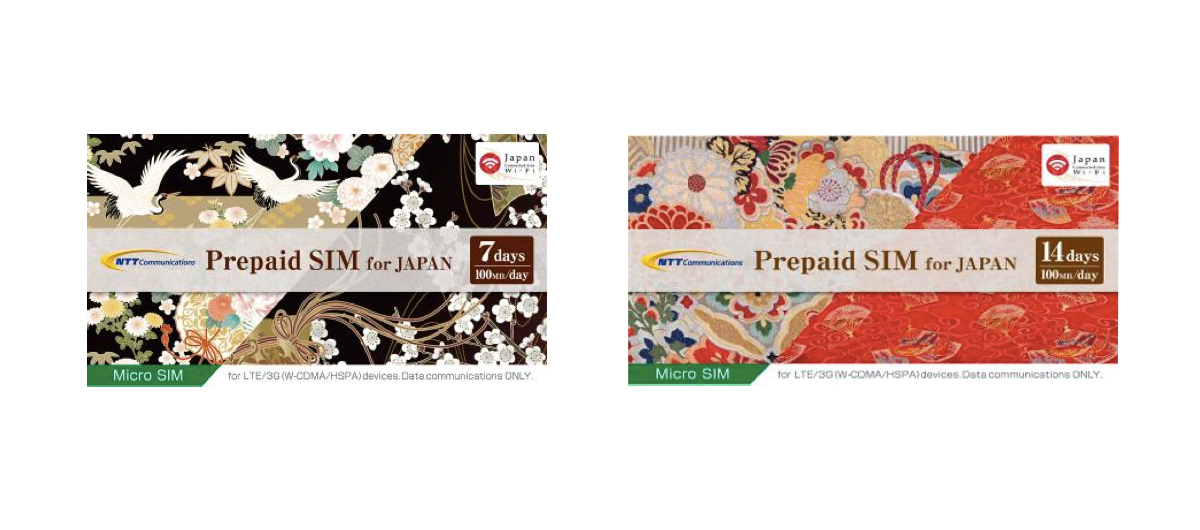
The machines use a touch-panel interface that supports Japanese, English, and Chinese. To purchase a SIM card, customers simply select a plan, swipe their credit card (great for those who forget to change their money to yen), and register their personal information via the touch panel or a scan of their passport. The machines accept international Visa, MasterCard, JCB, American Express, and Diner’s Club cards.
“We’re also planning to offer the service in other languages,” the NTT Communications spokesperson adds. “Korean and Thai are good candidates.”
The purchase of an NTT SIM card also comes with instructions on how to apply for the telco’s free wifi service, available at 95,000 locations across Japan.





Stay updated on the go with our mobile app.
Get latest insights with smoother, more personalized experience through TIA mobile app.








📅 Upcoming Events
22 October 2026
Payoneer x CSPN Summit 2026