Yunindita Prasidya · · 9 min read
Now, private AI is non-negotiable
Welcome to The Signal, a monthly newsletter about how Asia’s scrappiest companies get more done with less. We go behind the scenes with the builders rethinking how people, tools, and information work together, and explore the connected infrastructure making smarter ways of working possible.
Hello reader,
I didn’t incorporate AI into my workflow until late last year. I was, to a great extent, adamant that my writing process – from research to finalizing my drafts – be free from the influence of LLMs. (Sure, Grammarly was installed on my computer as a browser extension, but that was pretty much it.)
These days, I’ve onboarded Claude as a thinking buddy: It gives me updates on discourses I’m following, discusses story angles with me, and writes research briefs on people and companies I’m profiling.
Instead of pondering how AI might influence my work, I find myself wondering how my work is shaping these models. Does it? What exactly am I handing over when I interact with the chatbot? How valuable is this information? I can continue expanding my list of questions, but you get the point.
Companies could benefit if their employees asked more of these questions. Today, more workers are embedding AI into their workflows; many use tools their organizations haven’t approved.
It has created a new risk for enterprises: shadow AI, where individuals disclose their work to public AI platforms such as ChatGPT and, in the process, compromise company safety.
This year, shadow AI-related incidents accounted for 43% of security incidents at breached organizations, up from 20% the previous year. It drove average breach costs up to US$5.39 million this year from US$4.63 million last year, per IBM’s report.
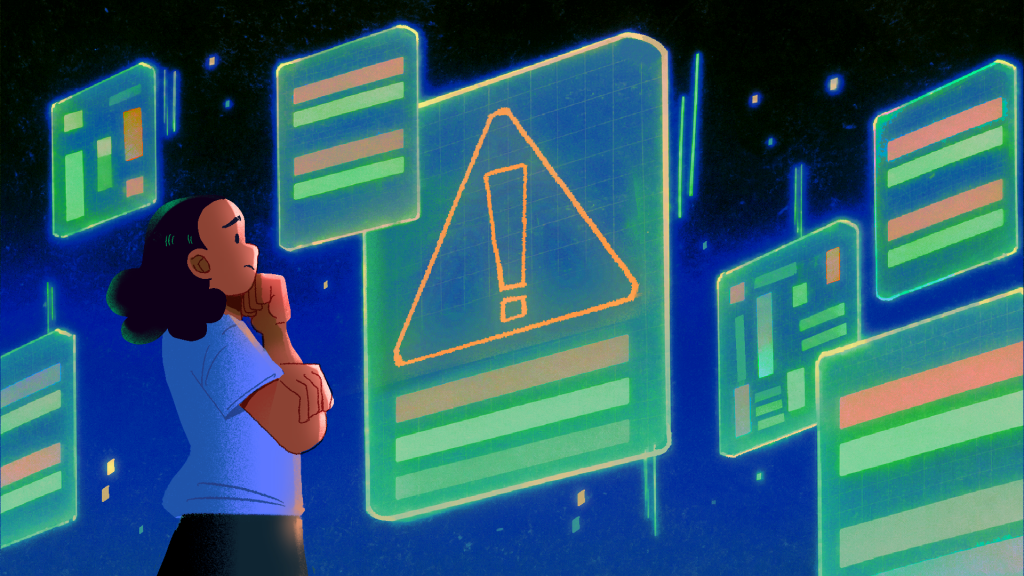
Image credit: Ulla
No wonder many are looking to install private AI, which runs within a company’s own infrastructure. Companies know their workers benefit from AI, so it’s best to embed the tools within the company. This way, usage does not come with the risks.
Against that backdrop, the market for private AI infrastructure is vast and growing. It was reportedly valued at US$33.72 billion in 2025 and is projected to grow at an annual rate of 18.7% through 2030.
That market growth says a lot about the priority level of private AI.
Ivan Lee, founder and CEO of San Francisco-based AI company Datasaur, argues that stakes could be high.
Datasaur builds private AI infrastructure for enterprises. It also runs a data labeling and annotation business.
Datasaur banks on broken promises
On our radar





Stay updated on the go with our mobile app.
Get latest insights with smoother, more personalized experience through TIA mobile app.