Nadine Freischlad · · 4 min read
Ahead of new law on smartphones, a rush towards ‘made in Indonesia’
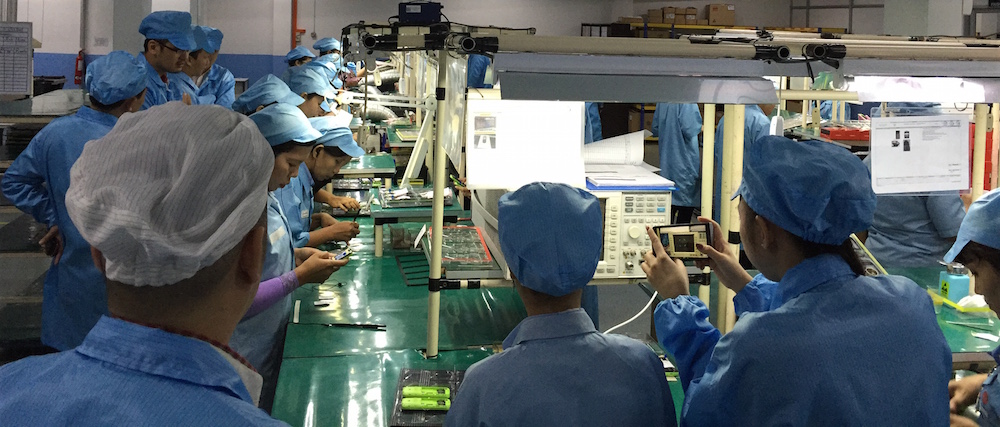
A regulation due to come into effect later this year will shake up the Indonesian smartphone market. Nicknamed the “made-in-indonesia” smartphone law, the regulation requires companies that sell 4G smartphones and tablets in Indonesia to produce 20 percent of their devices locally this year, and 30 percent by 2017. (UPDATE: This paragraph is changed to emphasize this goes into effect gradually from this year to 2017. There’s still some confusion over the 2017 quota, with some saying it’ll be 40 percent, but legal documents seen by Tech in Asia suggest that 30 percent is accurate. The rest of the article in unchanged.)
Global brands seeking access to Indonesia’s fast-growing and potentially vast mobile market will face significant challenges and changes.
There’s much at stake if they don’t comply: they’d risk losing out in Indonesia, which looks set to be the world’s fourth-largest smartphone market by 2018.
The race is on
Phone manufacturers are rushing to keep up with the new rules. Samsung has announced on several occasions that it will open a manufacturing plant in Indonesia, but has yet to follow through with this plan. The South Korean manufacturer’s phones are popular among Indonesians at present, who prefer lower- to mid price smartphones that cost up to US$230. Nine out of 10 phones in this segment are Samsung models.
Xiaomi, which entered Indonesia with the release of the budget Redmi 1S in September 2014, faces a similarly unclear road ahead. It might be unable to release its 4G smartphones in Indonesia later this year. Hugo Barra, Xiaomi’s VP of international, is holding back because he feels the Indonesian government has not sufficiently explained its future 4G regulations.
Even Indonesian smartphone brands will have difficulties in keeping up with the made-in-Indonesia requirements, because most of their phones are manufactured in China. Local bands like Polytron, Evercoss, Himax, and Mito have relied heavily on imported devices.
At present there seems to be only one company ready to produce 4G smartphones in Indonesia in compliance with the 30 percent law: TSM Technologies (TSM). In August 2014, TSM was the first to launch an Indonesian-made 4G phone. The phone was introduced under the brand name IVO V-5 in a tie-up with 4G internet provider Bolt.
See: 8 Android smartphone models to challenge Xiaomi’s Redmi Note in Indonesia
Indonesia’s Foxconn?
TSM is now readying itself to become a major player in mobile manufacturing in Indonesia. According to co-founder Benson Kawengian, TSM sees itself primarily as an engineering company. It positions itself as the go-to partner for both local and foreign brands who want to continue to tap into the Indonesian market effectively. “Our solutions are very flexible for partner brands. Clients can buy finished products [from] us, or collaborate in producing locally made products using their current design and approved vendor lists,” Kawengian tells Tech in Asia.
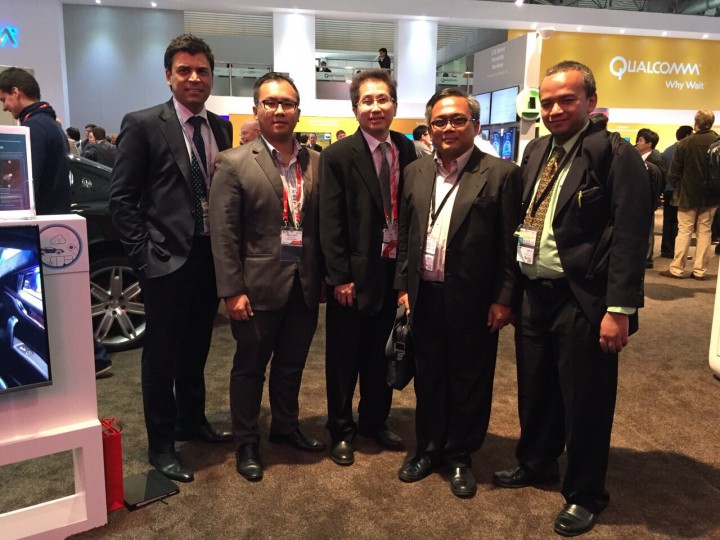
TSM at the Mobile World Congress 2015. From left to right: Mantosh Malhotra (Regional Head Southeast Asia, Qualcomm), Benson Engelbert Kawengian (managing director, TSM Technologies), Sam Ali (chairman, TSM Technologies), Muhammad Budi Setiawan (director-general, Indonesian Ministry of ICT), Denny Setiawan (group head, Fixed and Land Mobile Services, Indonesian Ministry of ICT)





Stay updated on the go with our mobile app.
Get latest insights with smoother, more personalized experience through TIA mobile app.