Last Thursday may have been a scary time for some at Nintendo. Not because Halloween was the following day, but because it was time to talk strategy with its investors in a question and answer session. CEO Satoru Iwata must have known he would have to tackle the inevitable questions about Nintendo’s plans for mobile, among a few other hot button issues. While we don’t have a clear image of what’s in store, we got some inklings of what to expect from the Kyoto-based company. Sort of.
Answering questions on a wide range of topics, from region locking to its oft-asked plans for mobile, CEO Satoru Iwata gave some indication of what to expect.
On “unlocking” its hardwares potential for players
He pointed out the range of challenges that need to be overcome to “unlock” Nintendo hardware in the future. He did acknowledge that region locking benefits sellers more than consumers, which though obvious, does hint that the company recognizes the consumer value in the approach taken by Sony with its PlayStation hardware in recent years.
While at present there was nothing definite, save that the company is considering what challenges would need to be overcome, the fact that the CEO is mulling this issue over at least allows those of us with both NTSC and PAL 3DSs to keep the dream alive of consolidating our collections in the future.
On mobilizing Mario and co.
On the subject of mobile, the response was actually less vague. Iwata stressed that “rather than thinking about how to get into the smart device business, we’re thinking about how we can strengthen our relationship with our customers through smart devices.” He hinted that the essence of Nintendo’s strategy is to make its games and Mii universe more accessible, through initiatives like the recently launched Play Nintendo in North America, which the company hopes to “spread to other parts of the world” soon. Nintendo seems to have kids and families at the heart of this strategy.
A mobile app from Nintendo is on the way, probably not by year’s end, but next year. Not wanting to rush things, Iwata says the company has taken its time to polish its idea for an application, which you can expect to leverage the Mii, the Nintendo-style avatars that have become a staple of its products since the Wii and Nintendo DS.
Considering these two aspects of Nintendo’s strategy, and the even more nebulous “Quality of Life” platform that was also a subject at the session, the company’s business strategy lacks what most would consider a concrete vision. This is eerily similar to its struggle to properly convey what the Wii U was to its own fan base, with many supposing it was just an add-on for the Wii. These issues might seem puzzling considering the company’s consistently polished and well-received lineup of first-party games, whether they be for the hobbling Wii U or the much more successful 3DS.
It is the undeniable success of the latter that must lead many to continue to ask when the mobile transition will happen. Whether it’s fear of cannibalizing its handheld cash cow, or simply not wanting to follow trends, Nintendo continues down its own path, despite constant cries to take the well-traveled golden road of its competitors. Maybe we shouldn’t be surprised that Nintendo seems to be charting a path akin to the Rainbow Roads of Mario Kart fame, which while colorful, leave far too many chances to fall off the track.
One question did get an answer, though it wasn’t asked outright: Will Nintendo put its own games on third party hardware in the near future? The answer was a clear no.
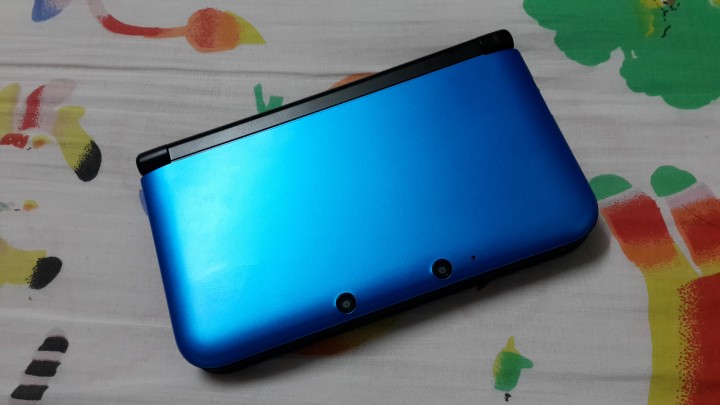
Editing by Paul Bischoff, h/t Nintendo 3DS Singapore community , 3DS XL photo by Flickr user Honou
(And yes, we’re serious about ethics and transparency. More information here.)





Stay updated on the go with our mobile app.
Get latest insights with smoother, more personalized experience through TIA mobile app.









📅 Upcoming Events
22 October 2026
Payoneer x CSPN Summit 2026