Osman Husain · · 4 min read
The startup that wants us to eat lab-grown chicken
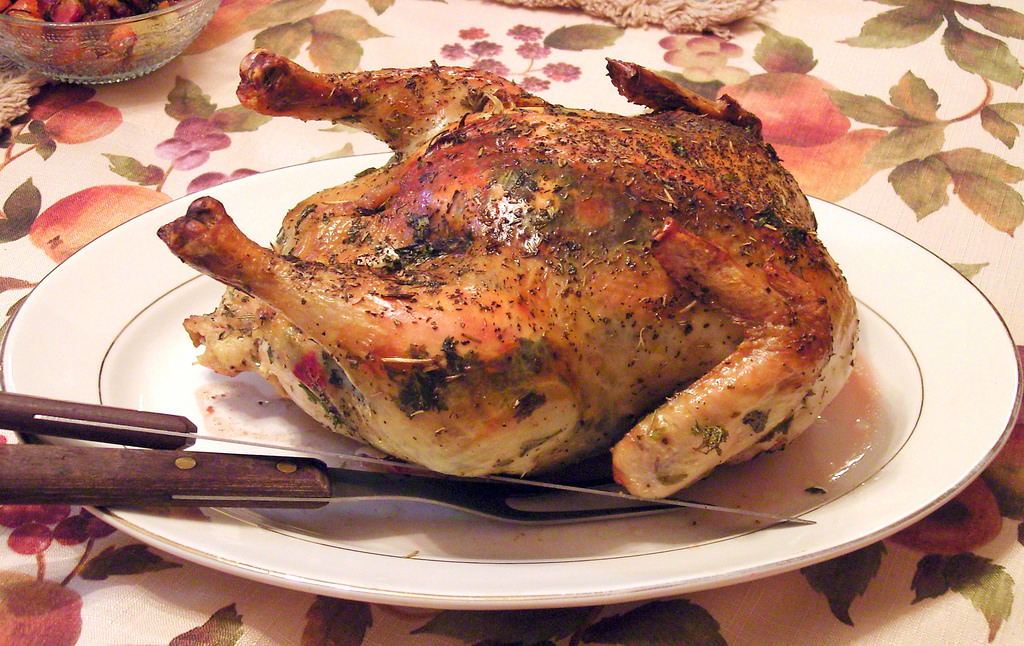
Photo credit: James D Kirk.
Seen the ghastly images of chickens sardined in a farm? That could soon be a thing of the past.
A startup wants to end our addiction to unsafe and unhygienic chicken by providing a sustainable alternative – a kind of super meat created in a machine. The team, based in Israel, is developing tech which can create cultured meat from chicken cells in a safe environment, completely independent from the animal’s body.
But don’t worry, this doesn’t mean we’ll have Frankenstein versions of chicken roaming the earth and pecking our eyes out.
Chicken on-demand
Koby Barak, the CEO of Supermeat, explains that cultured meat is the ability to grow traditional meat products from animal cells. The company plans on developing a device that can help make cultured meat a commercial reality.
The professor estimates a selling price of five bucks per kilo.
The entrepreneur says that current cell culture techniques – like with that lab-grown burger that stunned the world back in 2013 – are wasteful and result in costs of up to US$100,000 per kilogram.
The meat used in that lab-grown burger is now expected to hit shelves at a price of US$80 per kilo, but that’s not for another 20 to 30 years.
What the Israeli team is trying to do instead is take biopsy samples from chickens and segregate them into separate cells which will proliferate in culture. Scientists will then form tiny tissues from the cells and grow them organically into full-size tissue. The process will, hopefully, result in chicken meat indistinguishable from what we eat now in terms of flavor and texture.
Supermeat is tackling a huge problem. An estimated 10 billion chickens are slaughtered every year in the US alone; it’s predicted that their growth, slaughter, and transportation accounts for 18 percent of all greenhouse gas emissions.
But the startup is still some time away from producing the first batch of meat with its machine. It’s launched a crowdfunding campaign which, at the time of writing, has reached 63 percent of its goal with two months left to run.
“Funding raised will be used primarily for R&D. A working prototype is expected in three to four years, with a public proof-of-concept demonstration in about two years,” says Professor Yaakov Nahmias, co-founder of Supermeat.
That’s an unusually long time gap between crowdfunding and a product release.
Machine meat, not mystery meat





Stay updated on the go with our mobile app.
Get latest insights with smoother, more personalized experience through TIA mobile app.