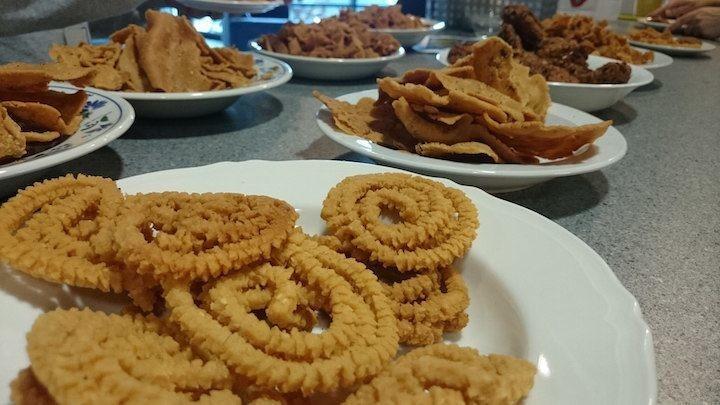
Let’s admit it. Most of us are snack-addicts. Long working hours, desk jobs, emotional hunger – we may blame it on any of these. But we do know that we’ve been reaching for that bag of fries far too frequently. And in India, we are spoiled for choice. Samosa, tepla, unniyappam – every corner store has an array of deep fried, mouth-watering regional specialities.
None of that does us any good – we all know that. But we continue on the “feel-restless, have a snack” mode anyway. The only way around it is if the bag of fries could morph into something tasty but also healthy, something that wouldn’t rush up our bloodstreams and park on some artery close to the heart. That’s what Ankita Mendiratta and Vinayak Mehta attempt to offer through their startup, Snackosaur.
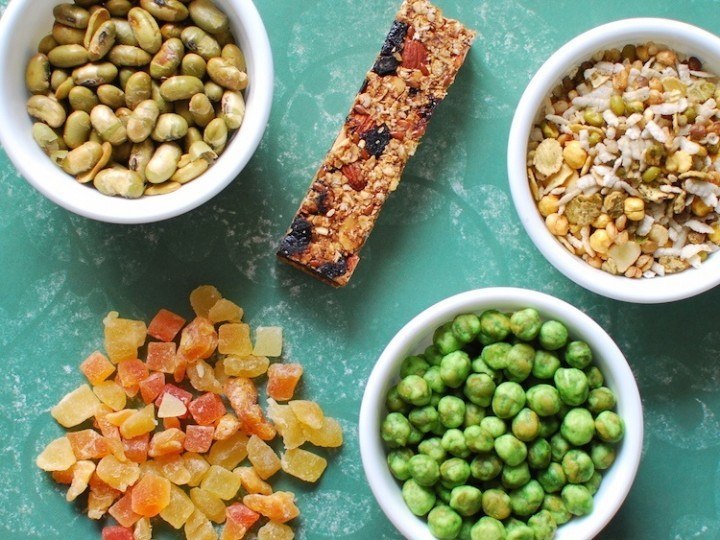
Snackosaur is a subscription-based service offering alternatives to the run-of-the-mill unhealthy snacks. Wasabi peas, granola bars, roasted edamame, a multi-grain medley, dehydrated fruit mix, and a 5-seed mix are a few picks from Snackosaur’s menu. Some of the snacks can be ordered a la carte, but otherwise, customers must pick up a one-month or three-month subscription which will get them a box full of snacks every fortnight. There is also a one-time trial box with an assortment of five snacks in it.
Snack capital of the world
Not too long ago, Mendiratta and Mehta too were hooked to the usual unhealthy snacks. Both of them took up high pressure jobs after completing their MBAs from XLRI, Jamshedpur – one of India’s top business schools.
Mendiratta was working with Hindustan Unilever, handling sales operations for the Mumbai region. Work meant traveling across the length and breadth of the large city, leaving her no time to cook or even buy good food at the right time. Mehta had a stint at Citibank and then moved to Olacabs in Mumbai. In the early days of Ola, he was in charge of marketing. Eating was mostly frequent snacking for both of them, until one day, when the two decided to get healthier. There were hardly any places online for healthy snacks in India. So they thought, why not start one?
Mendiratta and Mehta first studied the between-meals market in India. The country is one of the largest snack markets in the world. “And this was almost entirely offline,” Mendiratta tells Tech in Asia.
According to a Nielsen report last year, increasing disposable incomes, a need for convenience from fast-paced lifestyles, and a cultural tradition of snacking between meals have fuelled explosive growth in this sector. “From a modest INR 8,000 crore (US$1.2 billion) in 2004, the market today stands at INR 47,000 crore (US$7.4 billion),” the report states.
Mendiratta points out that the between-meals segment is growing at close to 35 percent year-on-year and within that, the healthy snacks market is growing at an even faster rate.
“Most of our friends were in the same boat as us – unhealthy lifestyles and hectic work schedules. But most of us want to switch to a healthier lifestyle. When we started our research, we found that nearly 40 percent of a person’s diet is met through snacks and mini-meals. In developed countries, the number is as high as 50 percent,” says Mendiratta.
Snackosaur vs Snackexperts
When the snack monster pounced
It’s personal, Sonny





Stay updated on the go with our mobile app.
Get latest insights with smoother, more personalized experience through TIA mobile app.