Malavika Velayanikal · · 6 min read
A million nays: why India is pressing the ‘dislike’ button on Zuckerberg and Airtel
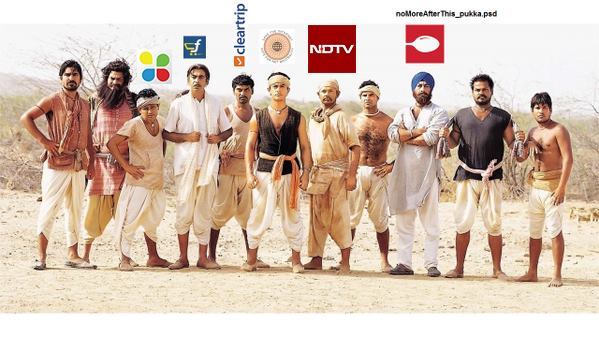
Entrepreneurship, innovation, freedom of expression – the internet has been the greatest enabler of all these in India over the past couple of decades. Now the country’s telecom operators and regulator want to change how people access the internet. And it has set off a tsunami of protest.
From zero to nearly a million emails in three weeks. That’s how many ‘nays’ that a single website called Save The Internet has generated. The emails were sent to the Telecom Regulatory Authority of India (TRAI), which requested for comments on its 118-page consultation paper[PDF] on mobile app services. The deadline for submitting answers to 20 questions in the paper is this Friday (April 24).
The jargon-filled questions may have gone over the top of most people’s heads. Ironically enough, it’s the internet that’s come to their rescue, as activists run online campaigns to educate people on what the TRAI and telcos are up to.
‘Over the top’
Now India’s web users know that so-called over-the-top (OTT) services refer to all their favorite apps and sites, like WhatsApp and Hike, Twitter and Facebook, Skype and YouTube, Uber and Ola, Amazon and Flipkart – in other words, everything that’s drawing millions of Indians to the internet. Since these services ride on the back of telecom infrastructure to reach their users, TRAI wants to know why ISPs should not charge them extra – that is, on top of the data charges they already collect from users for accessing these sites and apps.
The justification given for this by the TRAI is that the telcos’ traditional revenue streams – calls and SMS – are drying up, and they need a booster for investing in telecom infrastructure. Activists point out that revenue from data charges is swelling, compensating for any slowdown in other areas. Letting them slap an additional fee on services that use the internet to reach their users will destroy the internet as we know it, favor large companies with deep pockets, and ground a fledgling startup industry that is giving wings to Indian entrepreneurship and innovation.
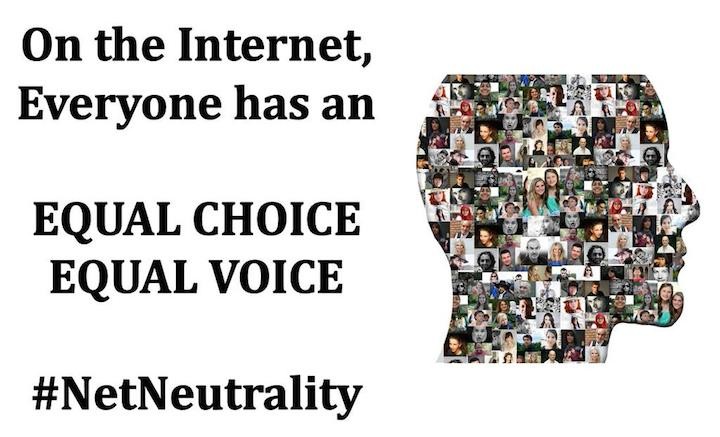
Open internet rules in the US
The internet is the greatest invention of our times, and governments the world over are under public pressure not to give in to telcos’ demands to take control over how we access it. The US Federal Communications Commission (FCC) adopted new rules just two months back to protect net neutrality.
One of the rules is that ISPs in the US cannot take payment from OTT services to put them on a fast lane, while blocking or throttling other services. “Broadband providers may not favor some lawful Internet traffic over other lawful traffic in exchange for consideration of any kind,” says the FCC categorically. In other words, consumers who pay telcos for internet access should be able to go wherever they want on the internet, and not be limited to apps or sites that have the capacity to pay telcos additional “carriage charges.”
In India, telcos are testing the waters on circumventing this fundamental principle, and that’s the crux of the net neutrality controversy and the TRAI consultation paper.
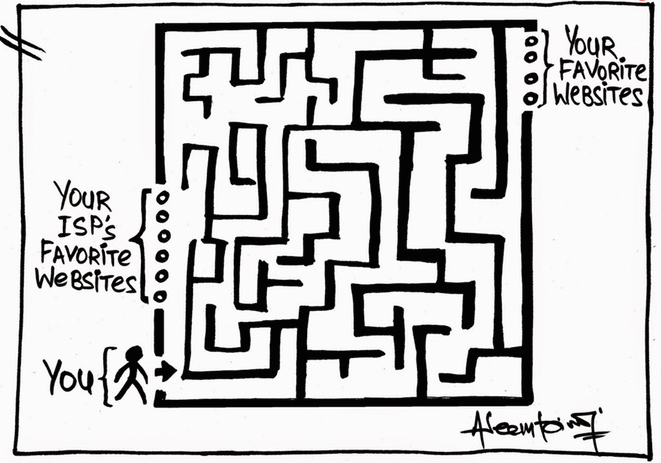
Some apps are more equal than others
Earlier this month, India’s leading telco Bharti Airtel came out with its Airtel Zero plan. There would be zero data charges for consumers accessing mobile apps, making it a “win-win” for consumers, the telco claimed.
Suckered by Zuckerberg
Why it matters to you





Stay updated on the go with our mobile app.
Get latest insights with smoother, more personalized experience through TIA mobile app.