- Premium Content It takes our newsroom weeks - if not months - to investigate and produce stories for our premium content. You can’t find them anywhere else.
 Samreen Ahmad · · 5 min read
Making sense of Grab’s cloud kitchen shutdown in Indonesia
Come December 19, Grab will be shuttering GrabKitchen, its cloud kitchen operations, in Indonesia.
The company runs over 40 cloud kitchens in the archipelago, and the shutdown will affect up to 20 employees.
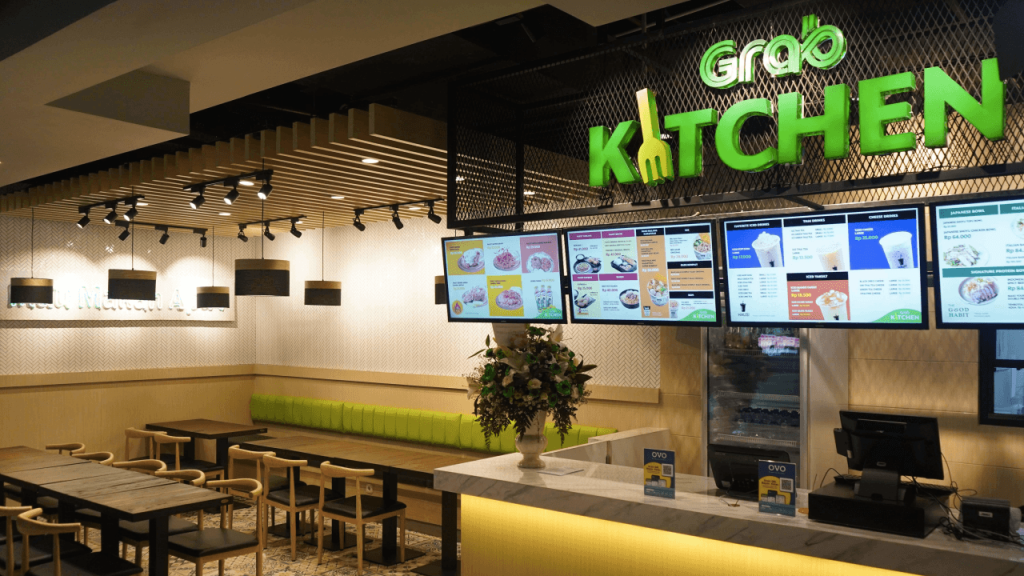
GrabKitchen in Indonesia / Photo credit: Grab
This move is significant, as Grab was one of the first players to introduce cloud or ghost kitchens in the region, which is part of its strategy to expand its food delivery business.
However, it appears that the unit economics of GrabKitchen have not matched up to the tech company’s “laser focused” ambition to achieve profitability.
“We started our cloud kitchen business four years ago to close cuisine gaps on our platform,” Mayang Schreiber, chief communications officer at Grab Indonesia, tells Tech in Asia. “Over time, demand-supply patterns have evolved. Due to this, and our shift to focus on asset-light models, we made the decision to discontinue GrabKitchen in Indonesia.”
The country was the largest market in the region for the unit, which has minor operations in Singapore, Thailand, and Malaysia. “Our cloud kitchen facilities in other markets continue to operate as per normal,” says Schreiber.
Model riddled with high costs?
Cloud kitchens can be cost-efficient, as they do not require fancy locations or interiors. They also allow establishments to test new menus and products at low risk, making them more affordable alternatives to running a traditional restaurant.
However, it is a different story for a tech company like Grab. Finding and leasing locations for cloud kitchens, performing maintenance work, and hiring staff is a different ball game compared to running an asset-light food delivery services platform.
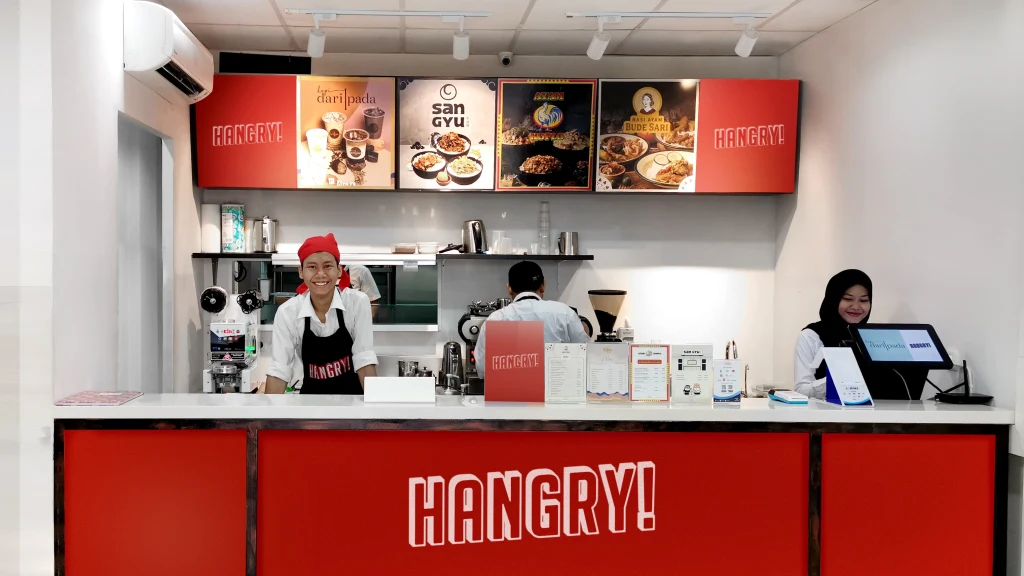
Indonesia-based cloud kitchen operator Hangry saw its revenue jump by over 3x in 2021. / Photo credit: Hangry
Grab declined to comment on the costs of maintaining each of its cloud kitchens, but the decision to close its operations in Indonesia suggests that they were a drag on profitability.
A serial entrepreneur based in Jakarta points out that the model entails paying high commissions to delivery partners and shelling out hefty operating costs. “Then the only way to make a profit is by selling at a higher price, but customers will not accept that,” says the person, who asked to remain anonymous.
A way to lower pricing is to mass-manufacture the food. Jakarta-based DishServe is betting on this cloud kitchen strategy – though with a difference. It mass-produces the food in central factories, but the last-mile preparation is carried out by homemakers in their own kitchens.
Cloud kitchen startups still raising funds
Who gains from Grab’s exit?
Stay ahead in Asia’s tech landscape
This is premium content. Subscribe to read the full story.
The unit’s closing is unlikely to be read as an obituary for the whole industry.
We know this is not ideal. ⌛ Sign up in 20 seconds. Cancel anytime.
Our subscriber community includes professionals from these companies:





Stay updated on the go with our mobile app.
Get latest insights with smoother, more personalized experience through TIA mobile app.









📅 Upcoming Events
22 October 2026
Payoneer x CSPN Summit 2026