- Insights This article was written by a TIA community member. Insights pieces undergo the same rigorous editorial process that newsroom-produced articles have.
 Ryan Holmes · · 5 min read
How CEOs should react to Trump-like tweets that assault their company
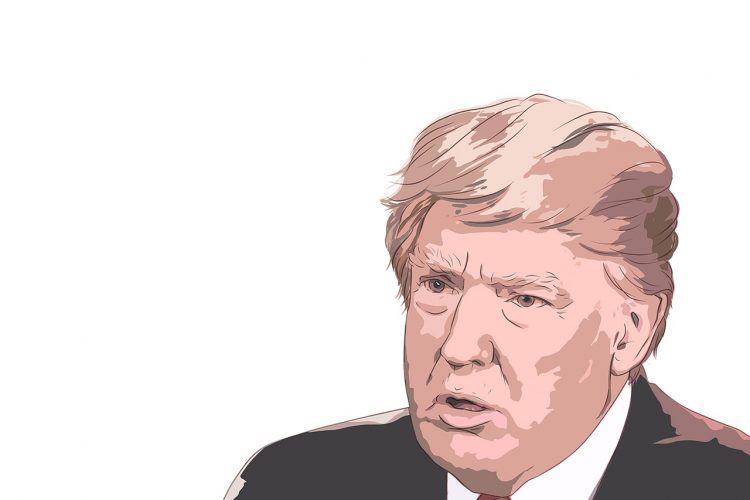
Photo credit: Pixabay.
Since becoming the president of the United States, Donald Trump has, if anything, accelerated the pace of his social media assaults. High-profile swings at Nordstrom, Delta, and other companies punctuate a relentless critique of media outlets and political opponents.
The situation has grown so volatile that companies are now taking out insurance policies in case Trump tweets at them.
My advice for CEOs from the social media frontline: save your money and learn how to tweet right back. This applies not just to rants from Trump, of course. Being social media-savvy is a requisite in the executive toolkit of 2017.
For leaders, the most effective response starts well before a crisis is on the horizon. If you’re coming up with a social strategy at 2 am after one of Trump’s late-night rants, you’re late to the party. So, here’s how to survive and fight back should you find your company in the Twitter crosshairs.
Build your social leadership muscles first
There’s a reason athletes spend the off-season training. In the heat of competition, when the pressure is on, there’s little time to deliberate—muscle memory takes over. The same applies to leaders using social media. If your first tweet is in response to a social media crisis, you’re setting yourself up for failure. The stakes are too high, not to mention you’ll have no social following to reach out to.
In contrast, leaders who have already embraced social media as a pillar of their communication strategy can react swiftly and confidently. Tony Fernandes, the CEO of AirAsia Group, has been active on Twitter since 2008, sharing daily updates about his life, company, and employees. All these social skills were required following the tragic crash of an AirAsia plane.
Rather than relying on press releases and spokespeople, Fernandes updated his millions of followers in real time on recovery efforts, rallying staff, reassuring customers, and safeguarding the company’s reputation—a marked contrast to the buttoned up (and highly criticized) approach used by rivals like Malaysia Airlines when faced with similar challenges.
A personal attack calls for a personal response
For leaders, it can be tempting to “let the company handle it” in the wake of a social media crisis. But a personal attack, the kind that Trump is so fond of, calls for a personal response. The gravitas, authority, and humanity of a living, breathing leader carries far more weight than an anonymous tweet from your customer service account.
This kind of “social leadership” represents a marked departure from the classical school of corporate communications, which keeps leaders off-stage, except for highly scripted encounters. But to a millennial generation steeped in immediacy and authenticity, taking a personal approach on social media speaks volumes.
In response to Trump’s immigration ban, for instance, Netflix CEO Reed Hastings fired back directly from his own Facebook account, calling the ban “so un-American it pains us all.” This post was shared thousands of times and picked up by the media around the world—the kind of reaction a tepid update from a corporate account would be unlikely prompt.
Time is of the essence
On social media, far more than other communications platforms, speed is everything. In the absence of a response, misinformation can spread at a viral rate, jumping to traditional media outlets where it becomes enshrined as truth.
Leaders who intervene early and decisively, however, can shortcut this entire process. Indeed, it’s the power of executives to slice through layers of bureaucracy and approvals and react nimbly that gives executive social media much of its power.
Executive social media is not a silo





Stay updated on the go with our mobile app.
Get latest insights with smoother, more personalized experience through TIA mobile app.