 Annie Teh · · 4 min read
The case for doing content marketing in niche media
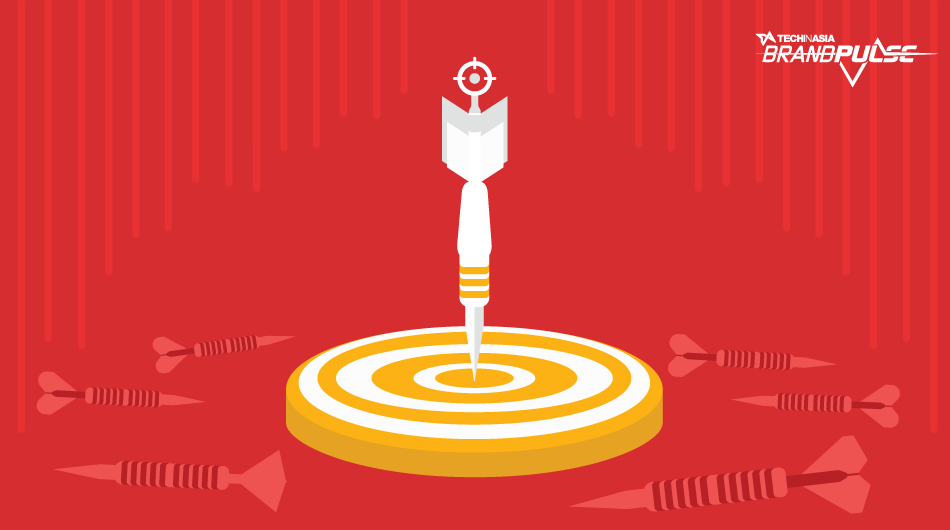
Working on a content marketing portfolio is like running your investment portfolio. A good tactic is to diversify the kind of branded content you produce and where you publish them.
Yet, we often ignore that tried-and-true method. Instead, we put all our eggs in publications with the most pageviews, thinking we’ll get bang for the buck. As a result, brands tend to work with mass media, who cater to the lowest common denominator.
Buzzfeed, with its tendency to write asinine listicles about cats, is an example of a publication dedicated to accumulating pageviews.
But at the end of the day, how many readers your articles have isn’t the only metric that matters. It also matters who they are.
Go Niche

Photo Credit: Wikimedia
The temptation for brands to go with mass media is understandable, especially when their campaign’s success is measured in pageviews. But if potential customers for your product or service are a distinct type of people, messages shared to a broad audience could be like shooting arrows at nothing in particular and hoping they hit something. Success is largely based on luck.
Niche media, on the other hand, caters to a specific group of people with a particular set of interests. Instead of writing for mass readership, they write to gain maximum relevance to their readers.
Tom Fishburne who runs Makertoonist, a service that creates cartoons for hyper-targeted audiences, writes that content pieces with a niche focus “gives your message teeth.”
By writing for a specialized group possessing high levels of background information, you can craft more sophisticated and deeper messages. As a result, it’s easier to explain to industry professionals why their company would need a particular solution or tool.
That’s why niche publications are the darlings of B2B marketing. An article by IBM about how the financial services industry would seem dull on Mashable, but will resonate with industry professionals on Bloomberg.
Having a targeted audience is especially important in the tech and gaming scene, where each brand’s value proposition comes down to its technical details. Without an understanding of smartphone specifications, for example, a Xiaomi and an iPhone would just be two rectangles sold at different prices.
And how would you explain to a mass audience the difference between using Telegram, Whatsapp, WeChat, and Line?

Photo Credit: Pexels
E-gaming video site Twitch, for example, has sponsored streams for video game companies to share their new content with the gaming community. This allows brands working with Twitch to reach not only potential buyers but also people who understand the unique value proposition of the product. This creates a platform for community members to become fans and even advocates of the game.
Niche sites also allow you to tailor messages for specific demographics of people, the way social media experts conduct hypertargeting for advertizing. For example, an app that helps track other phones in its system could be pitched to parents through parenting websites and magazines as a way to keep an eye on their children.
A grocery delivery service would ideally want to speak to everyone who buys groceries, but may find it more effective to engage with expats who have just moved to a new country.
It also provides credibility for brands, helping them establish thought leadership. The strength of successful niche publications is their credibility, which comes with trust, reliance, and recall from readers. Trade magazines are a great example — they’ve got the eyeballs of their industries, and often have industry experts backing their content.
Consumers are more likely to share data on platforms they trust more. If they believe the publication is sincerely interested in providing them great content, they’ll be willing to take some time to either fill out surveys or give feedback. This could potentially become a valuable base of insight for brands.

Photo Credit: Pixabay
Making believers of readers
However, niche media doesn’t work for everyone. Several messages work better on national newspapers or international general news sites, especially if you’re marketing a mass consumer product.
But campaigns that are focused and targeted can help build credibility for your brand within a community of experts and well-informed individuals. It holds the potential to create true fans, advocates who will spread the word and evangelize your product.
They will remember your brand because your content is relevant to what they do or what they’re interested in, and the people they speak to will remember your brand too.
So don’t just chase pageviews — you might miss something more important.
Get clued in
Itching to learn more about content marketing? Fill in the very simple form below, and we’ll drop you an update the next time we share new insights. Let us know what you want to learn next in the comments below!
Brand Pulse is Tech in Asia’s very own take on sponsored content. Our Brand Pulse team works closely with reputable brands to create educational, insightful, and credible content for our audience. To find out more, visit us at brandpulse.techinasia.com, or drop us an email at brandpulse@techinasia.com.
Stay updated on the go with our mobile app.
Get latest insights with smoother, more personalized experience through TIA mobile app.
Recommended reads
 Animoca co-leads $1.75m round of IreneDAO creator
 UMG IdeaLab pours seed money into Indonesian influencer marketing platform
 Engaging Gen Z through interactive gaming
 Gojek to take on GrabAds with the launch of digital ads solution GoScreen
 Breaking down WhatsApp and Facebook’s super-app ambitions
 Hooq’s CEO shares his side of the story for the first time
 Will virtual humans replace ‘real’ influencers, models, and more?
 Here’s how TikTok is changing the way businesses advertise
 High-voltage drama in the world’s fastest-growing video-streaming market
 Why we’re not censoring Glasswall reviews





Editing by Terence Lee and Nadine Freischlad
(And yes, we’re serious about ethics and transparency. More information here.)




📅 Upcoming Events
22 October 2026
Payoneer x CSPN Summit 2026