Zheping Huang · · 4 min read
These popular video games still need licenses in China to cash in
It is not spring yet in the world’s biggest gaming market.
China’s top media regulator has stopped accepting new applications for game licenses as it struggles through a backlog of thousands of titles from a previous nine-month hiatus, one industry source, and a state-run news outlet said this week.
Game publishers can still file applications to their respective provincial regulators but they are no longer passing them on to the State Administration of Press and Publications (SAPP) in Beijing, according to one gaming company executive who was briefed on the situation.
An official with the SAPP confirmed the suspension with state news outlet The Paper on Wednesday, adding that the application process is under adjustment.
China’s video games industry suffered its slowest growth in at least a decade last year after the suspension of approvals for new games amid a government restructuring. The SAPP – formed in April and now under the Communist Party’s propaganda department – resumed the process at the end of December, and has since licensed more than 500 titles largely in chronological order.
While some industry players and watchers have read the new suspension as simply a procedural matter, others have expressed concern that further delays that could hurt publisher earnings.
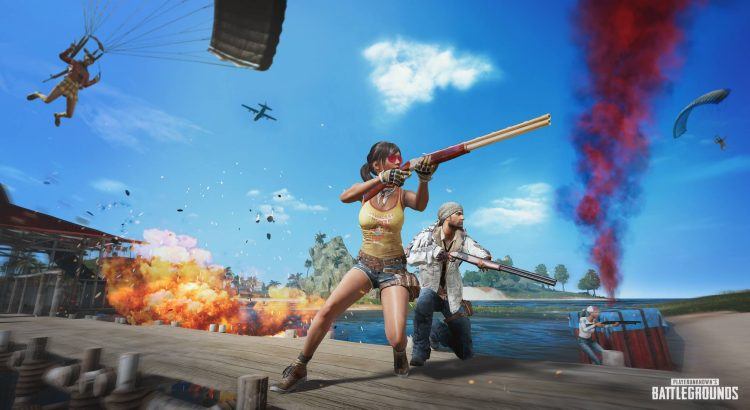
Photo credit: PUBG
In either case, there are still an estimated 4,000 to 5,000 titles waiting to be cleared for a full launch in China. Some of them are global blockbusters in trial runs which need approval for monetization. Others could be the bread and butter games for smaller studios, which have struggled to survive the gaming freeze.
Here are some of the biggest games still in the pipeline for approval:
Fortnite
Fortnite – which is a free-to-play game – made US$2.4 billion last year and now holds the record for the highest annual revenue of any video game in history, according to research firm SuperData. That is despite the fact that it has not been able to take in any money from Chinese gamers.
Tencent, which bought a 40 percent stake in Fortnite developer Epic Games in 2012, has the right to the battle royale phenomenon in China. The Shenzhen-based company launched the game’s desktop version in July via its distribution platform WeGame. But due to the absence of a license, Fortnite in China cannot offer in-game purchases for a wide range of character outfits, weapon skins, and dance moves, which have become a major appeal to gamers worldwide.
Meanwhile, Tencent has yet to launch Fortnite’s mobile version for China’s millions of smartphone users, which requires a separate license.
PUBG Mobile





Stay updated on the go with our mobile app.
Get latest insights with smoother, more personalized experience through TIA mobile app.