Erik Crouch · · 4 min read
A ponzi scheme broke Hong Kong’s trust in Bitcoin. One startup is restoring faith.
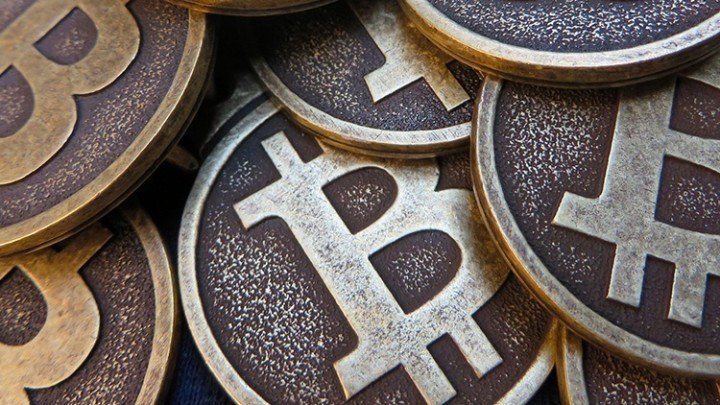
Image by BYC Keychain
See also: Bitcoin pyramid scheme in Hong Kong makes off with $387M
Bitcoin businesses in Hong Kong have spent the past year rebuilding trust in the technology.
Around the same time MyCoin burned to the ground, Aurélien Menant, a Hong Kong-based former investment banker, launched Gatecoin. With its emphasis on security and transparency, Gatecoin seemed like an antidote to the worry that gripped the region’s Bitcoin scene.
We talked to Aurélien when Gatecoin first launched – and now, one year later, we’ve checked in to see how Hong Kong is dealing with the cryptocurrency in 2016.
Understanding the risks
“Most traders have been interested in digital currency precisely because it is a speculative asset,” says Aurélien. “What they are looking for is a reliable and secured exchange that enables them to trade and transfer digital currencies with ease and confidence.”
Bitcoin detractors often cite two major threats to the technology.
Bitcoin detractors often cite two major threats to the technology: the risk that the currency will lose value, and the risk that its value can’t be stored safely.
The first is familiar to anyone who has lived in a country with inflation or an unstable currency – the idea that your money’s value is in a constant state of flux. The latter, whose closest real-world equivalent would be something like your bank suddenly blowing up, is similar to what happened with MyCoin last year.
There is little that any company can do to flatten out Bitcoin’s fluctuating value against the dollar, but that’s why some traders like it in the first place. The jumps in value make it particularly interesting for speculators, but it’s not meant for the risk-averse. More can be done to make sure users’ money is held in a secure and transparent way, though.
For Gatecoin, that meant designing a secure banking infrastructure and avoiding legal gray areas.
“Hong Kong financial authorities [have] an open stance about Bitcoin and digital currencies: we have got the money service operator license for Gatecoin Limited and we are therefore regulated by the Customs and Excise Department of Hong Kong,” says Aurélien.
“We are in talks with the Hong Kong Monetary Authority to apply for the stored-value facility license that will be released in November and to assist them in defining a legal framework for digital currencies.”
Hong Kong, where you can’t throw a hat without it landing on the front steps of the international headquarters of any finance institution, has a pretty progressive attitude towards digital currencies.
Location, location, location





Stay updated on the go with our mobile app.
Get latest insights with smoother, more personalized experience through TIA mobile app.