- Premium Content It takes our newsroom weeks - if not months - to investigate and produce stories for our premium content. You can’t find them anywhere else.
 Glenn Kaonang · · 3 min read
After missing China’s LLM wave, Gobi backs university labs
Gobi Partners passed over China’s first wave of large language model (LLM) companies because it expected Chinese tech giants such as Alibaba and ByteDance to have the resources to build the best models, managing partner Chibo Tang tells Tech in Asia.
When asked whether the VC firm took a too-cautious approach, he says: “We probably did.”
Tang, who leads Gobi’s Greater Bay Area business, spoke alongside Fred Li, the firm’s managing director and head of university ventures, on the sidelines of the Cyberport Venture & Capital Forum in Hong Kong. (Disclaimer: Cyberport sponsored Tech in Asia’s participation in the event.)
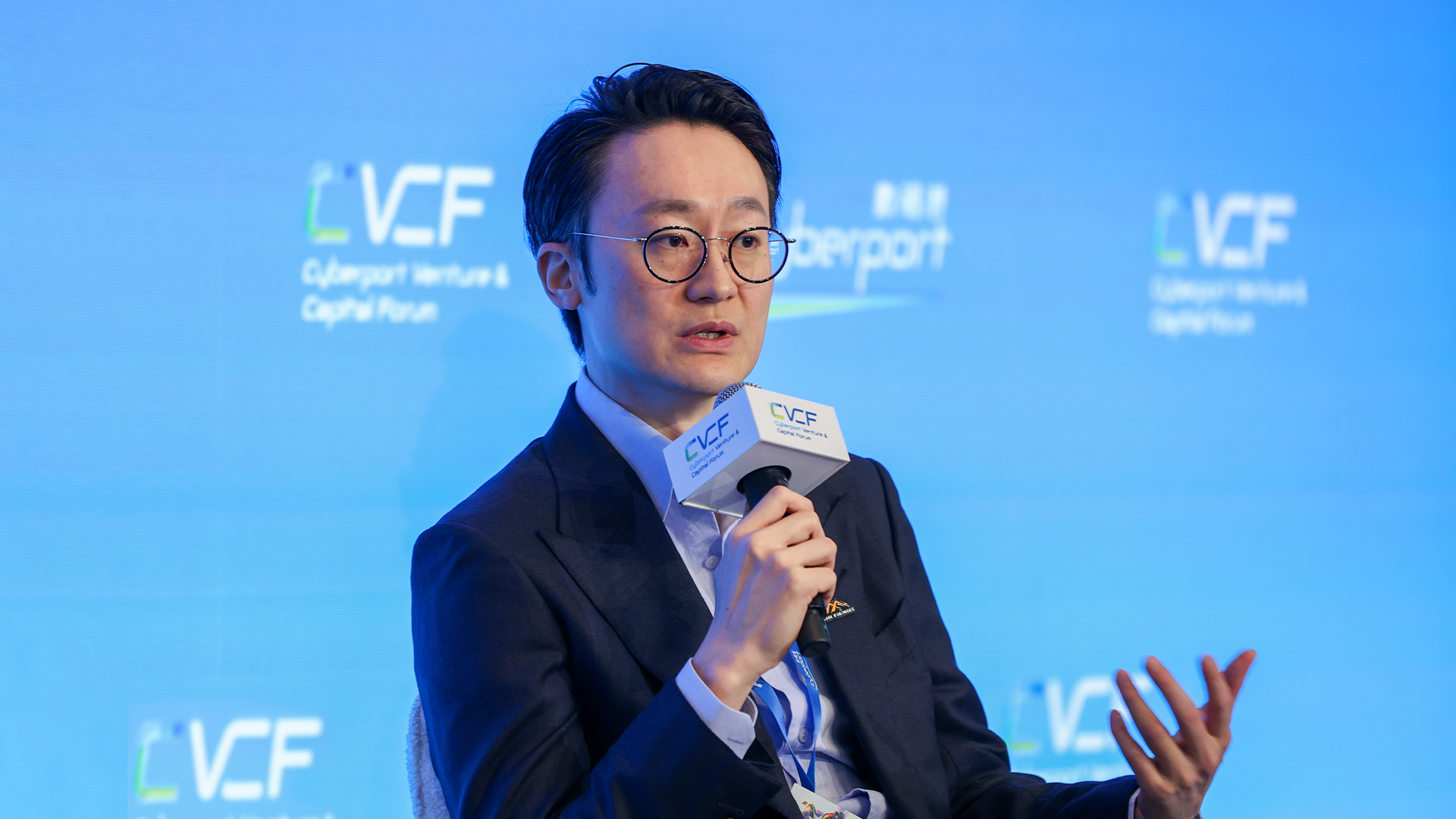
Gobi Partners managing partner Chibo Tang speaking at a panel at Cyberport Venture & Capital Forum 2026 in Hong Kong / Photo credit: Cyberport
Tang points to MiniMax’s IPO as an example of an outcome that benefited investors. However, he questions whether the Shanghai-based firm’s model would remain competitive with frontier models.
That’s why, despite strong results, Tang isn’t convinced that Gobi has to change its strategy.
“Not all money is meant to be made by everyone,” he says.
Concerns about competition also shape Gobi’s take on AI agents. Tang says the firm refrained from joining the rush into agent startups following Manus’ emergence in early 2025.
He argues that applications built on other companies’ models could face competition from those same providers. If a use case attracts enough demand, he says, a model developer could build its own application and distribute it to an existing user base – a scenario that’s already playing out.
With investors chasing numerous similar businesses differentiated by customer segment or price, Tang believes it’s “too hard to find an ultimate long-term winner.”
See also: The truth about AI language models: No one wants to pay for them
Gobi is still backing model developers, but he says the VC firm is looking for different technical approaches that could lower training costs, improve efficiency, or better serve particular industries.
One example is DiffuSpace, a Shenzhen-based startup that Li says Gobi has invested in. It develops diffusion language models that generate and refine multiple parts of an answer in parallel rather than building it strictly one token at a time.
DiffuSpace aims to speed up text generation so AI agents spend less time waiting for responses between actions. The startup has raised hundreds of millions of yuan as of October.
Stay ahead in Asia’s tech landscape
This is premium content. Subscribe to read the full story.
Managing partner Chibo Tang explains the VC firm’s AI investment strategy and why it’s not interested in following the herd.
We know this is not ideal. ⌛ Sign up in 20 seconds. Cancel anytime.
Our subscriber community includes professionals from these companies:









📅 Upcoming Events
30-31 March 2027
Upskill Fest