Winston Zhang · · 4 min read
The Midas touch: How technology is making gold investing simpler

Thanks to Covid-19, the world’s economies are going through some tumultuous times, which for people translates into a lot of anxiety over job security and income stability.
For many, investing is a way to ensure both extra income as well as wealth protection, which is particularly important in the current climate. To this end, putting money into gold has been a popular option, as it has a history of maintaining its value even during uncertain times. It is also a good hedge against inflation. Depending on the nature of the crisis, gold can even move from a defensive wealth protection tool to a profit-spinning commodity.
In recent years, platforms that facilitate and streamline investing in exchange-traded funds and other financial instruments have emerged. The likes of StashAway, EndowUs, Syfe, and others have seen success and gained traction among both beginner and experienced investors.
But can the same be said about platforms that deal in gold?
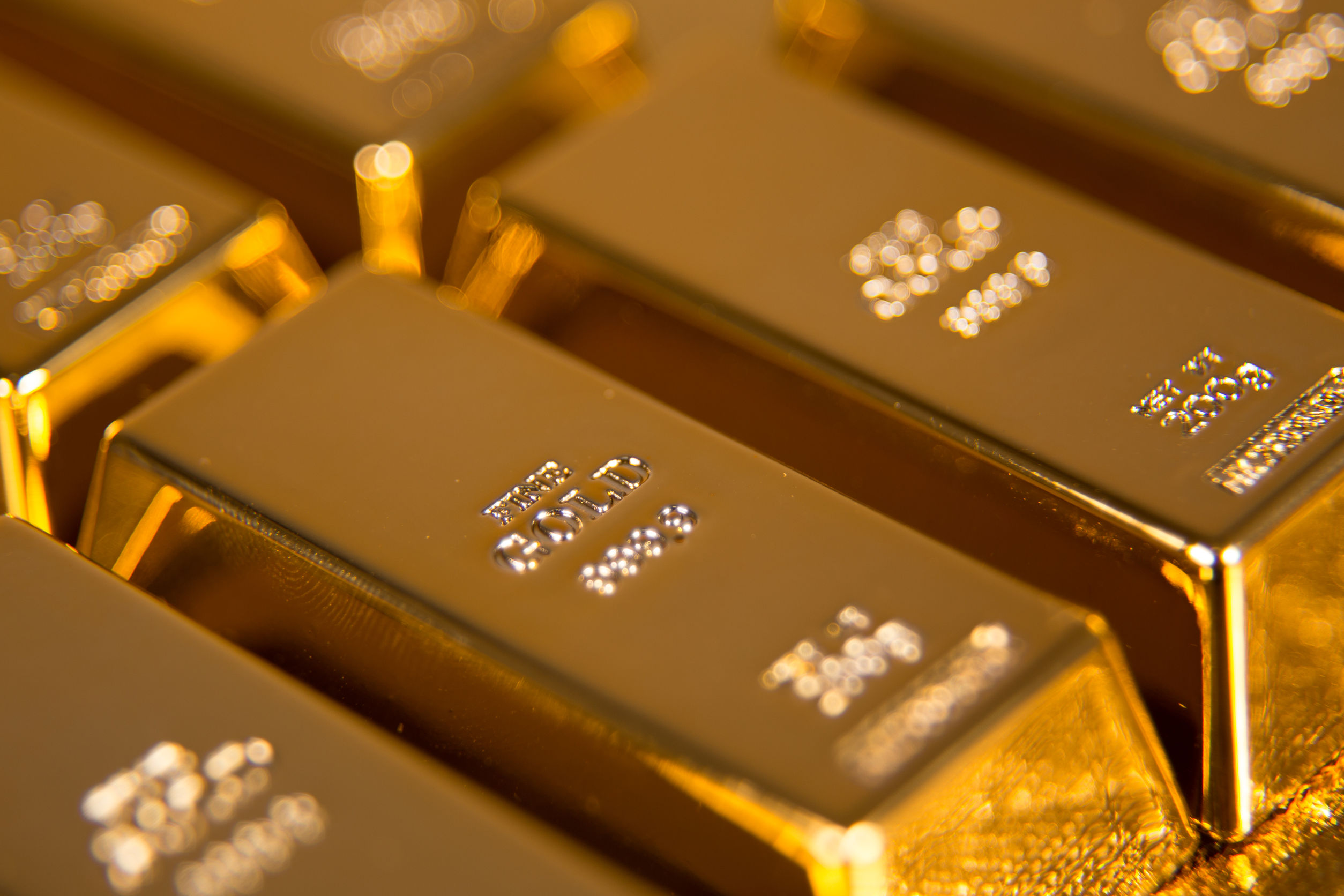
Photo credit: dariohayashi / 123RF
Accessibility is golden
“At present, the gold exchanges on the market are all commodity exchanges, with large initial purchase thresholds and high barriers to entry,” says Richard Zhao, founder of Everest Gold, a fintech company that aims to make gold trading and investment affordable and convenient for retail investors. This means that access to gold trading is mostly limited to corporations and governmental-linked entities, leaving retail investors with scant opportunities to make profits from investing in the precious metal.
The price of gold also varies across exchanges due to the different fees and extraneous costs they charge – despite the commodity’s actual price not varying much, says Zhao.
Everest Gold seeks to cut through these issues. It was created with price transparency in mind, and its platform is specifically designed for the general masses, with gold traded based on commodity prices as determined by the in-app demand and supply. What this means is if the spot gold price is at less than US$60 per gram, the platform will keep prices pegged to that amount; in contrast, banks would probably charge around US$80 per gram.
With the service, there is also only a minimum of one Everest Gold Unit – worth US$0.60 – required for each transaction, further lowering the barriers to entry for those just beginning to dabble in gold investments. The company has also recently launched its international payment gateway, which supports over 160 currencies for 185 countries.
The founder adds that traditional gold retailers typically charge fees for sale and buyback transactions, which cut into profits. “Everest Gold does not charge any transaction fees. All users are entitled to 100% of the profits and enjoy high liquidity in their gold investment experience on our platform.”
The company also puts up weekly and monthly updates that cover price patterns as well as market insights on its blog to help users make informed decisions on their investments.
Security is paramount
Beyond accessibility to gold trading, this attention to detail extends to the security of the platform as well.
Everest Gold uses 256-bit Secure Sockets Layer encryption to safeguard user transactions and personal information, and it also requires users to complete a personal verification process prior to trading to prevent financial fraud and identity theft.
The company also employs biometric technology to enhance the security of user accounts, ensuring that no unauthorized people can make transactions without the user’s knowledge.
As for the gold itself, Everest Gold employs several different measures to ensure its authenticity.
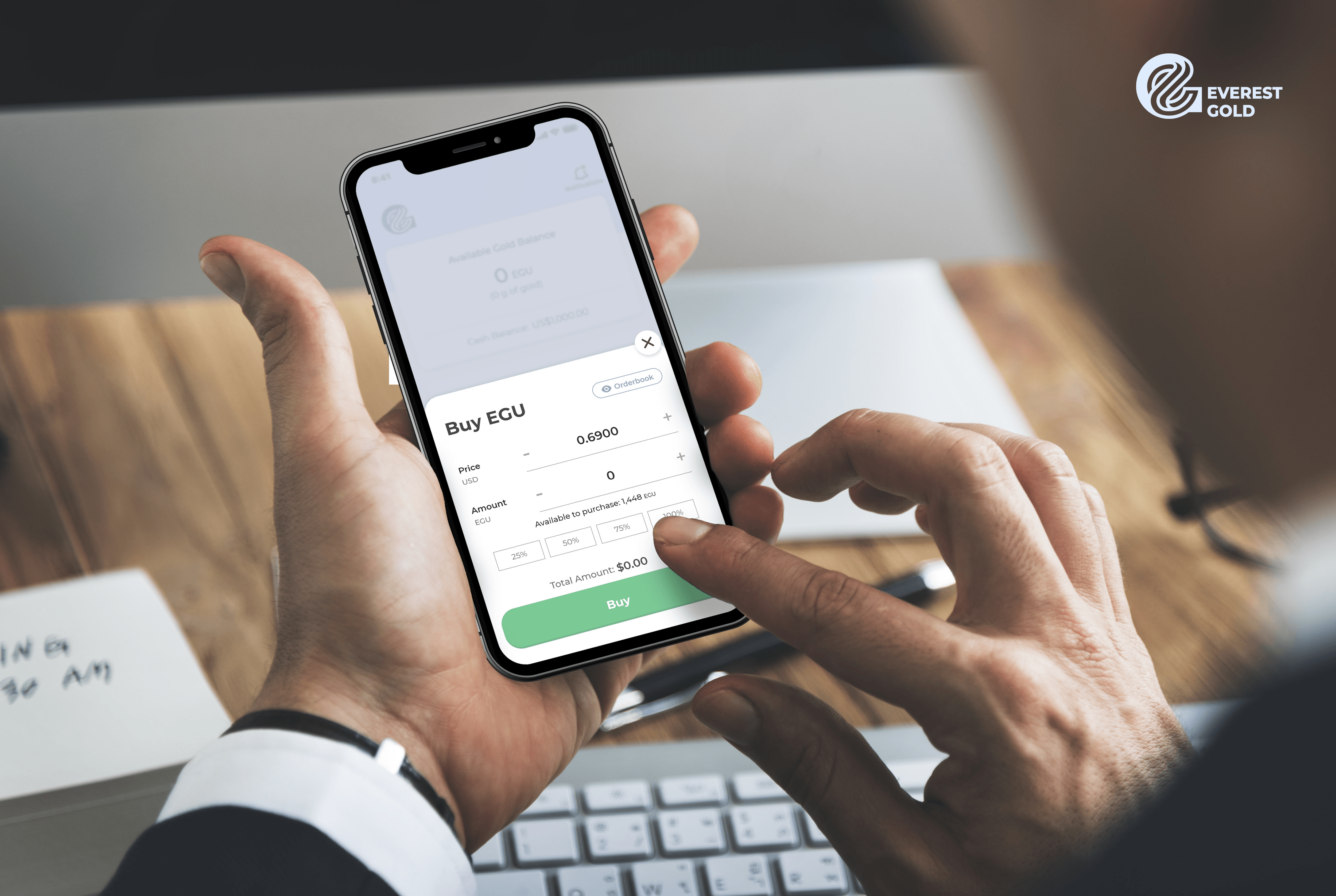
Photo credit: Everest Gold
According to Zhao, the gold that’s traded on the platform is “999.9 investment grade,” which, according to the fineness scale used in determining gold quality, is the equivalent of pure gold. They’re also sourced from Metalor Singapore, a precious metals refiner and producer that’s authorized by the Inland Revenue Authority of Singapore.
“Independent third-party auditors conduct regular and rigorous audits of our supplies to ensure their authenticity and value,” assures the founder.
He adds that the company fully insures the gold that is traded on the platform and that they are stored in a custodian vault in Singapore.
Putting users first
In the near future, the company plans to enhance and improve their gold-trading platform with more features, better services, and new products so that its users can diversify their investments – key to maintaining a balanced investment portfolio.
Ultimately, Everest Gold is focused on helping the layperson manage their wealth better. “Consider how gold can preserve purchasing power over the next five years compared to paper currency, which, by its very nature, loses value over time,” Zhao points out.
Even taking aside the prospect of wealth accumulation, one of gold’s advantages as an investment vehicle is its ability to “protect one’s standard of living,” he concludes.
Find out more about Everest Gold and how it helps retail investors get started in gold investing on its website.
This content was produced by Tech in Asia Studios, which connects brands with Asia’s tech community. Learn more about partnering with Tech in Asia Studios.
Stay updated on the go with our mobile app.
Get latest insights with smoother, more personalized experience through TIA mobile app.
Recommended reads
 Indonesian AI startup goes global
 Forrest Li on scaling Sea, building smarter bots, and founder grit
 An AI assistant that joins sales calls and scores team skills
 Beyond the check: Why VCs need more than capital
 SGX’s CEO says it doesn’t need a unicorn to win
 SMEs want AI too, but not the kind Big Tech is selling
 Oatside’s alt-milk rise hits a profitable gear
 Alibaba’s financial health in 12 charts
 Asia’s telcos bundle AI into mobile plans. Will it pay off?
 M-Daq chases bigger clients as revenue falls, losses grow





Editing by Jaclyn Teng and September Grace Mahino
(And yes, we’re serious about ethics and transparency. More information here.)