- Insights This article was written by a TIA community member. Insights pieces undergo the same rigorous editorial process that newsroom-produced articles have.
 Kevin Brockland · · 6 min read
How to tell hype chasers and thesis-driven investors apart
Raising capital is one of the hardest parts of any founder’s journey, as they face rejection, skewed power dynamics, and intense pressure. It can be tempting to take any investment just to check off that box.
But not all investors are created equal. The check size may look the same, but the dynamics, expectations, and consequences that follow can be wildly different.
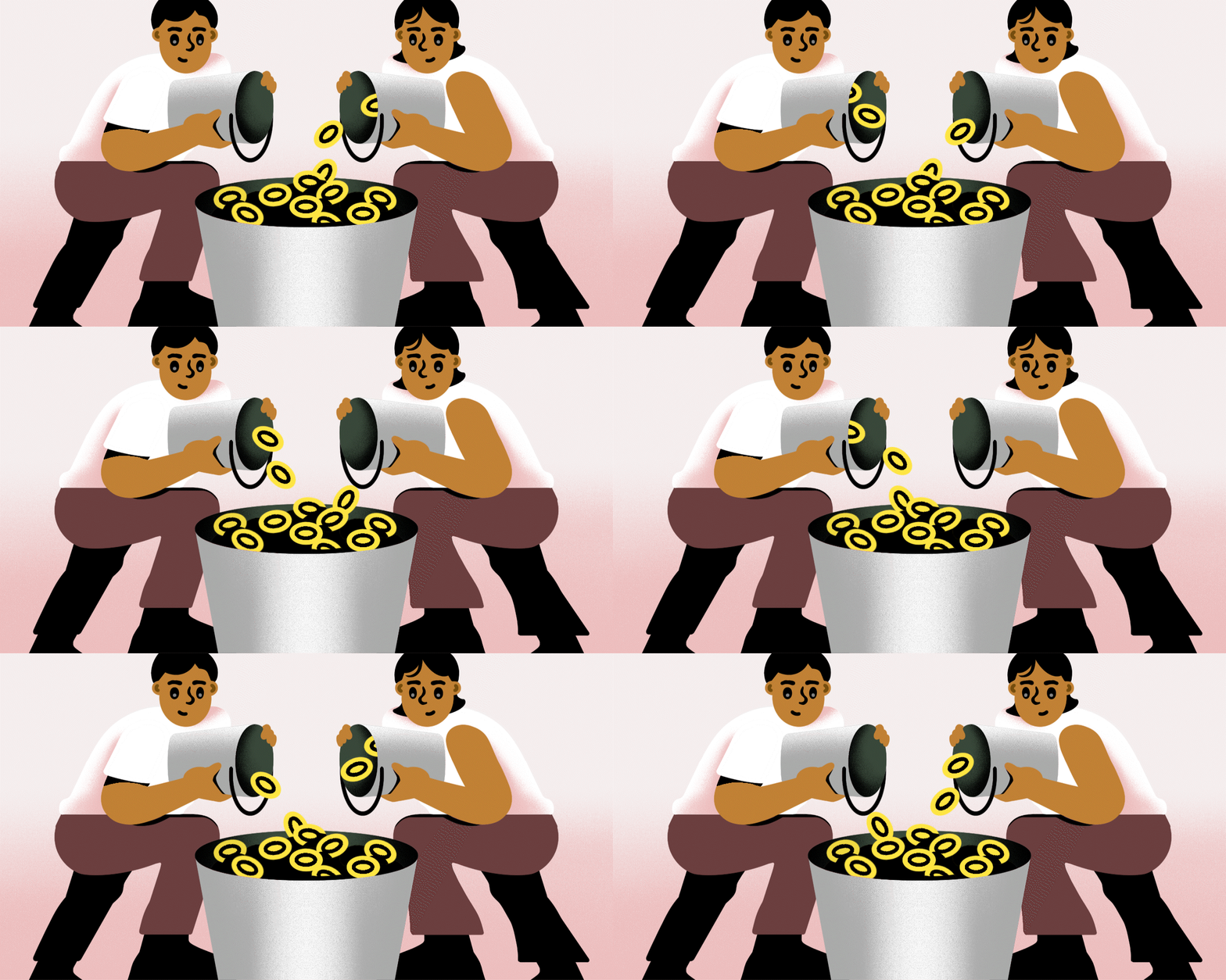
Image credit: Timmy Loen
A key distinction founders need to look out for is the difference between investors who are hype chasers and those who are driven by a thesis.
Why this matters
In fundraising, capital comes with expectations, influence, and relationships. Tie yourself to the wrong investor, and you might find your vision reshaped into something that serves them rather than your business.
See also: Pivot, partner, or get acquired – navigating SEA’s funding crunch
Hype chasers can give you short-term fuel to power your business, but they often leave when the market cools. Thesis-driven investors may not always offer the highest valuation, but they bring conviction, guidance, and staying power.
Knowing which type you’re dealing with helps you avoid misalignment and surprises down the line.
Spotting hype chasers
Hype chasers thrive on momentum. They want to be where the buzz is, and they move fast when they sense a hot deal. Look for these signals in your interactions:
- They move incredibly fast but only when the deal is hot: If your round is competitive or your sector is trending, they rush in with little due diligence. If things are quiet, they’re nowhere to be found.
- Their questions center on growth optics, not fundamentals: Expect them to ask questions like: What’s your month-on-month growth? Who else is investing? What press coverage are you getting? It’s less likely that they’ll ask things like “What does your customer retention look like?”
- They rely on borrowed conviction: A hype chaser becomes interested because the segment is getting attention or because other investors are circling. If you ask them why they believe in your market, the answers are shallow or generic. For example, they might reference media buzz, top-down metrics, or even other deals they’ve heard of.
- They talk about applying playbooks from elsewhere: Copy-pasting strategies that they read online, applied at their past company, or something that worked in Silicon Valley, without understanding your market realities, is a common tell. This exposes a lack of deep understanding about your market in your part of the world.
- Their support vanishes once the shine wears off: This is more of a post-investment signal. They’ll be visible when headlines are good and eager to help out, but they’ll go silent when you’re troubleshooting product-market fit.
There are, of course, positives to taking a hype chaser’s investment, chief among them being higher valuations. The investment process will also likely proceed faster and with less scrutiny.

Image credit: Timmy Loen
The cons: pressure for growth at all costs to justify the high valuation, fickle loyalty, and less “halo effect” than the investor’s brand name may imply. In short, hype chasers can help if you need momentum, but don’t count on them for resilience or nuanced guidance.
What are thesis-driven investors?
How founders can protect themselves
Capital is the easy part
Stay ahead in Asia’s tech landscape
This is premium content. Subscribe to read the full story.
Hype-driven investors move fast and fuel momentum, but thesis-driven backers bring staying power. Founders need to know how to spot the difference.
We know this is not ideal. ⌛ Sign up in 20 seconds. Cancel anytime.
Our subscriber community includes professionals from these companies:





Stay updated on the go with our mobile app.
Get latest insights with smoother, more personalized experience through TIA mobile app.