Abacus · · 4 min read
Meet the millennial entrepreneur behind China’s answer to US’ Beyond Meat
Mooncakes, the widely popular Mid-Autumn Festival delicacy, will be getting a makeover in China this year, as a startup’s plant-based ground meat is used as filling for the traditional cholesterol-packed treat.
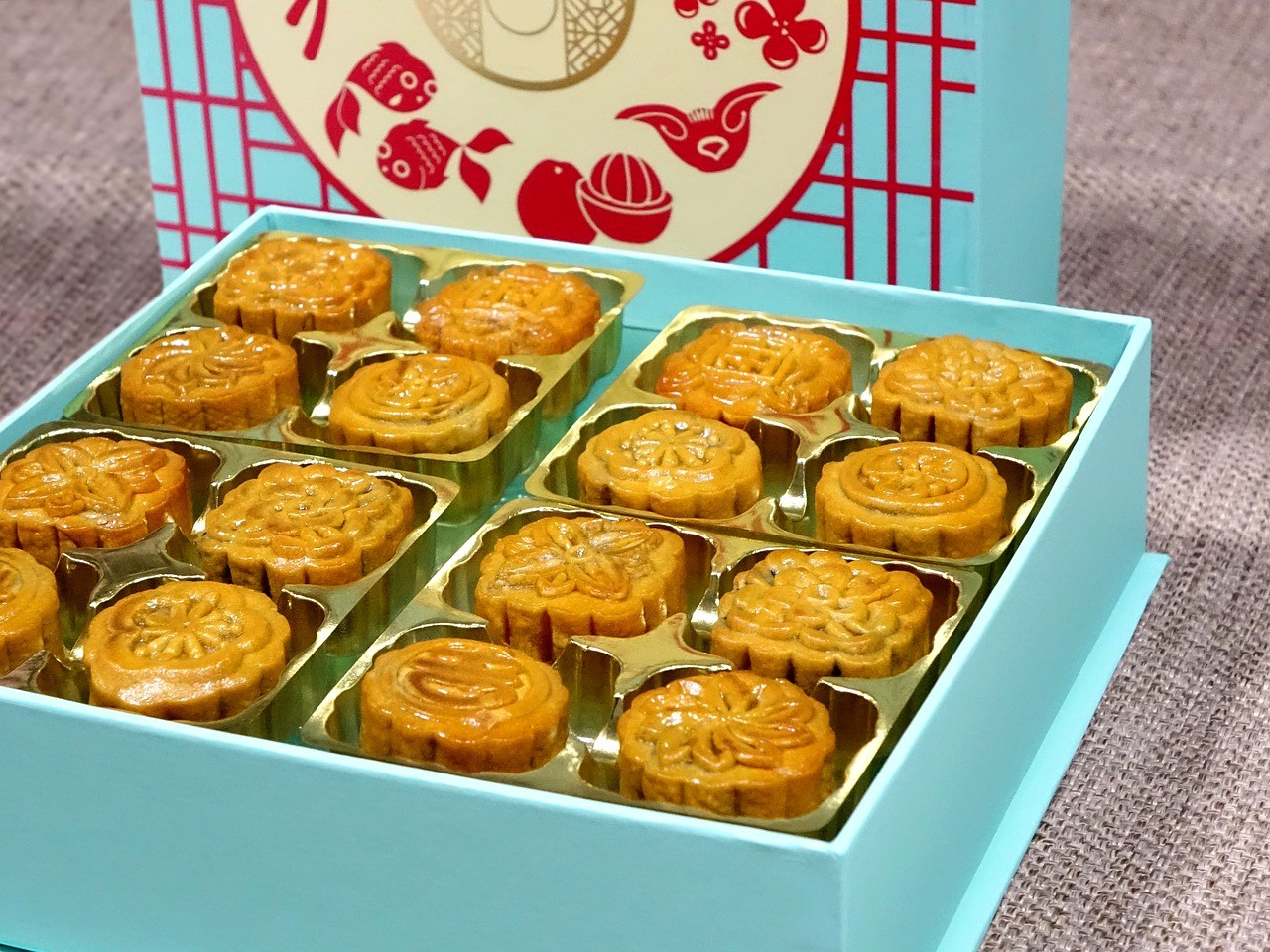
Photo credit: Jason Goh / Pixabay
Chinese entrepreneur Lu Zhongming has formed meat alternative producer Zhenrou, in partnership with a research team from the Beijing Technology and Business University, that will introduce Suzhou-style mooncakes filled with plant-based meat ahead of the festival next month.
While the most common types of mooncake are filled with sweet lotus seed paste and salted egg yolk, the regional variation from eastern China’s Suzhou province is stuffed with ground pork.
Lu said Zhenrou’s plant-based mooncakes will taste real enough for consumers, especially those from Shanghai and surrounding areas, according to a report by the Changjiang Daily. “We recently asked many old Shanghainese residents to take part in a taste test,” he said. “A lot of people couldn’t tell [mooncakes with traditional filling and those with plant-based meat] apart.”
Zhenrou joins a growing number of domestic and foreign companies that are now tapping into a potentially large market for plant-based meat in the world’s second-largest economy.
Beyond Meat and Impossible Foods – the world’s two most prominent plant-based meat producers – are already fighting for market share beyond the US.
Beyond Meat, which is backed by Tyson Foods, the world’s largest meat processor, plans to start distributing in China in the second half of this year.
Chicago-based Sustainable Bioproducts also plans to bring to China its artificial protein products, potentially replacing pork in buns served in dim sum restaurants.
The global meat substitute market is projected to reach US$7.5 billion by 2025, up from an estimated US$4.2 billion in 2017, according to a report by Allied Market Research. The meat substitute market by product type includes those prepared from tofu, tempeh, textured vegetable protein, seitan, Quorn, and other plant-based sources.
“Plant-based protein meat, which is healthier, more nutritious, and environmentally friendly, is becoming a new food trend among many young consumers,” Lu said in a separate report by the Securities Daily. “China needs more innovative companies in this field.”
Another advantage in China is that meat substitutes are not a new concept. Centuries-old Chinese vegetarian cooking uses tofu, also known as bean curd, as a substitute for pork and poultry in certain dishes.
The challenge for Chinese firms involved in supplying plant-based meat substitutes has to do with the taste and texture of their products.
Li Jian, who leads Zhenrou’s research team from the Beijing Technology and Business University, said Chinese plant-based meat trails those from larger American producers in taste, colour, and texture, according to the Changjiang Daily report.





Stay updated on the go with our mobile app.
Get latest insights with smoother, more personalized experience through TIA mobile app.