Himanshu Gupta · · 5 min read
Why China might be the reason behind Uber’s latest logo redesign
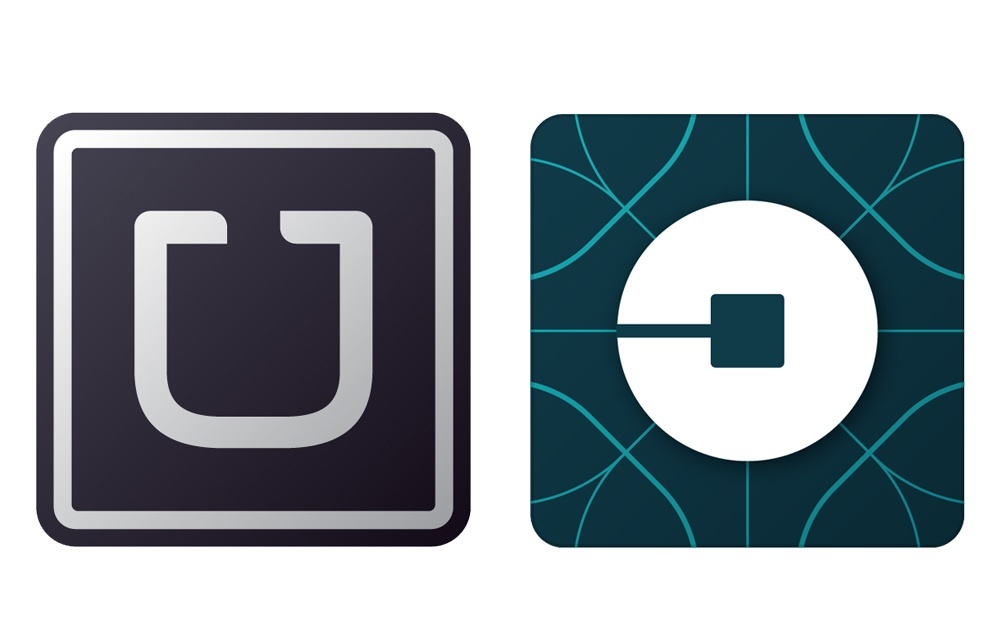
Uber’s old logo (left) and new logo (right). Photo credit: PC Mag
As we all know, Uber redesigned its logo recently.
Wired did an extensive feature on the change, where Uber’s CEO, Travis Kalanick, spoke about how Uber was originally designed as a luxury brand, and that its present day’s ethos and product philosophy does not match its earlier vision any longer, hence the change.
However, another explanation for Uber’s logo redesign can actually be seen as a tactic to compete directly against Didi-Kuaidi in China. While Uber seems like a global behemoth in the app-based rides market in Western countries like the US and UK, it is dwarfed in the China market by its competitor, Didi-Kuaidi, which dominates 87.2 percent of the market share. Didi-Kuaidi is backed by China’s largest internet companies, Tencent and Alibaba.
An estimate puts Didi-Kuaidi as having 87.2 percent of the market share in China.
Uber has publicly stated that China is Uber’s largest market, and its CEO Travis has emphasised that he intends to win the Chinese market.
Even though many large western companies have struggled to gain foothold in China (Google, Facebook, Ebay to name a few), Uber seemed to indicate success when it claimed to have captured 50 percent of the app-based non-taxi rides market share in June 2015. It has even partnered with Baidu, and took investments from local investors in China so that it doesn’t run foul of government regulations and get blocked in the process.
However, what it probably didn’t take into account of was that its primary competitors, Didi-Dache and Kuaidi-Dache, would merge, an unlikely possibility then, as these two were backed by the warring internet giants in China, Tencent and Alibaba respectively.
For years, Tencent and Alibaba have been intense competitors in China, with Alibaba ruling the ecommerce market and Tencent ruling the social, messaging and gaming market.
The fight intensified with Tencent hitting gold in the last few years with its mega-hit WeChat, the multi-functional social messaging app. Shortly after in 2014, it garnered a strong foothold in China’s ecommerce market when it bought a major stake in JD.com, China’s biggest e-commerce player after Alibaba — and integrated it into WeChat.
However, in light of Uber’s strong show in China and rising funding costs, Alibaba and Tencent decided to forgo their differences and merged their ride based app offerings, forming Didi-Kuaidi in process.
With the massive reach of Tencent (860 million monthly active users on QQ messenger, 650 million monthly active users on WeChat) and Alibaba (400+ million users on Alibaba e-commerce portals and 270 million users on Alipay) and the humongous war chest of $3 billion funding, it is no surprise that the merged entity, Didi-Kuaidi has gone on to capture the majority of China’s app-based rides market. An estimate puts the combined entity as having 87.2 percent of the market share in China.
To add on to this, Chinese companies in general are extremely aggressive, nimble and fast-moving due to there being few trademark and intellectual property barriers to cross in China.
While Western companies usually lament this as a barrier to entry in the China market, the lack of IP and trademark protection rights also means that Chinese companies usually copy ideas aggressively from each other, develop a little on them, and release them into the market quickly to win over consumers.





Stay updated on the go with our mobile app.
Get latest insights with smoother, more personalized experience through TIA mobile app.