 Jonathan Burgos · · 3 min read
Working from home is the new normal as we combat the Covid-19 pandemic
Dear readers,
Last week, I completely worked from home after Tech in Asia decided to limit the number of people at the Singapore office to 10 at a time. This is in compliance with the social distancing measures in the city-state as the government steps up efforts to curb the further spread of Covid-19.
Discussing and editing stories with the team via Slack, Google Hangouts, and WhatsApp, I realized how technology almost makes the transition and business continuity efforts seem seamless. Internet technology has advanced so much in the past 20 years that we can hunker down and do remote work over long periods of time.

Photo credit: Quang Ngo/Unsplash
During the SARS outbreak in 2003, we didn’t have the luxury of a robust internet infrastructure that could effectively facilitate remote working for millions. Back then, I was the Singapore bureau chief of the now-defunct AFX-Asia Financial News, which was acquired by Thomson Financial in 2006 and merged with Reuters the following year.
The government shut schools and imposed strict home quarantine measures during the SARS epidemic for residents who were returning from overseas trips. Thermal scanners were deployed at Changi Airport and other points of entry to screen visitors who might be infected by the disease. The World Health Organization declared Singapore SARS-free in May 2003, three months after the outbreak.
It’s hard to imagine how we would have functioned as a news organization if we had to work remotely in 2003. Certainly, the wireless router at home, which could only handle 54 megabytes per second, would have buckled under pressure – the AFX team constantly reported market gyrations throughout the day with stocks and currencies tanking amid fears of the economic fallout from SARS. Thankfully, we now have more powerful routers and computers that are capable of handling up to 20 gigabytes of data per second.
Virtual summit
These technological advancements enable us to carry on with business despite the Covid-19 restrictions in place in many countries. For instance, Tech in Asia will use video streaming in July to launch the Product Development Conference, our first-ever virtual summit.
Technology is also empowering entrepreneurs like my friend Wei Yi Lim, co-founder of tuition center Study Room. The center, which currently has 600 students, will close for a month starting this week and conduct classes online using the video-conferencing platforms of Zoom and Google.
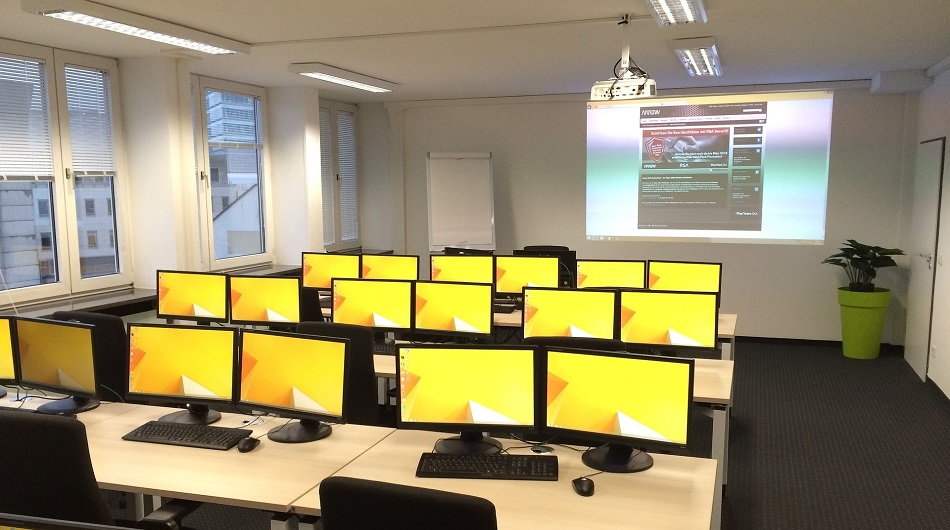
Photo credit: Pixabay.
Amid these uncertain times, it’s important for companies to manage their cash and be quick in implementing changes to their operations – similar to the strategy Study Room is undertaking. Such pivots are necessary so that companies can endure and be prepared once the situation normalizes, startup founders and business leaders across Southeast Asia told Tech in Asia last week.
Every week, we strive to deliver insightful stories and inspiring narratives about technology companies and startups across the region. Please support good journalism by subscribing to our premium content. If you have a moment, please answer our survey. Your feedback will help us create a better product.
You can read the rest of our premium content from the past week below:
Long reads
- Commentary: Should Sea sell Shopee and focus on Garena?
-
Asia a ‘high priority’ for Revolut following mammoth $500m fundraise
-
Minor Gojek, Grab investors head for the exit amid worsening economy
-
Former Gojek COO attempts to crack Indonesia’s education problem
AD. Remove this ad space by registering for a free basic account. Enjoy an ad-free experience when you're logged in.
Rising startups
-
Cybersecurity startup Horangi nets $20m to support regional expansion
-
Waste management startup Blue Planet secures $25m from Japan’s Nomura
Visual stories
-
As Honestbee sought $150m, its ex-CEO was absent from pitch meetings
-
TIA Monthly Funding Report: Grab, India are bright spots in an otherwise brutal February
Thank you and I’ll speak to you again next week.
Cheers,
Jonathan
Editor-in-Chief
P.S. East Ventures is raising funds to produce 100,000 Covid-19 test kits. If you’d like to help, you can participate in the initiative by donating money, equipment, or skills through this website.
Stay updated on the go with our mobile app.
Get latest insights with smoother, more personalized experience through TIA mobile app.
Recommended reads
 Daily news roundup – February 8
 Binance, YG team up for metaverse, blockchain projects
 How Sequoia Capital is adapting amid the tech winter
 Terra founder contests South Korea’s Bitcoin transfer accusations
 Who’s investing in India’s AI startups?
 TerraLabs co-founder seeks to withdraw from testifying in parliamentary audit
 Interpol issues Red Notice for Terra co-founder
 Who’s investing in India’s fintech startups?
 Indian mental healthtech firm raises $1m pre-seed round
 Nykaa’s financial health in 5 charts





Editing by Eileen C. Ang
(And yes, we’re serious about ethics and transparency. More information here.)



📅 Upcoming Events
22 October 2026
Payoneer x CSPN Summit 2026