Steven Millward · · 4 min read
Tencent-backed startup preps a suite of gadgets for a health-conscious generation
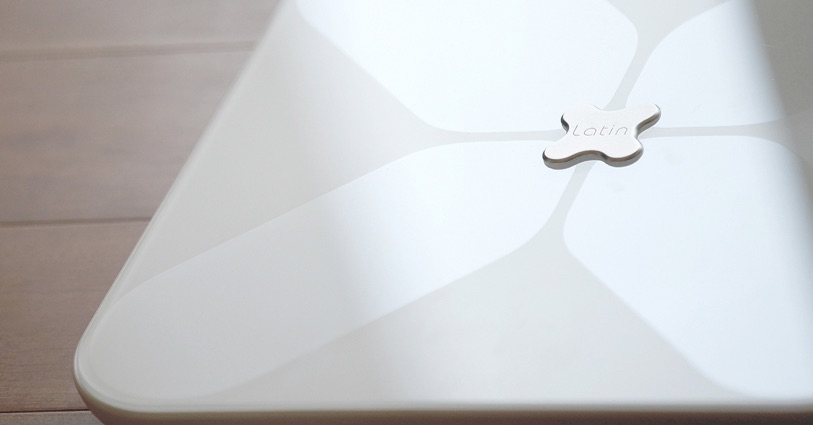
“Now, more Chinese people are understanding the importance of exercise and maintaining a healthy lifestyle. Healthy living is in vogue and it is becoming a mainstream trend.” That’s why ‘Gary’ Zhang Yue, the founder and CEO of PICOOC, is optimistic of the huge scope for growth for his startup’s smart gadgets.
PICOOC’s main product right now is the Latin smart scales (pictured above), which sell for RMB 449 (US$72) in China, priced keenly up against the the Fitbit Aria scales, which cost more than double. PICOOC looks to be trying to pull the same trick as Xiaomi – make gadgets well adapted for the Chinese market at appealing and more accessible prices. The startup, founded last summer, has two more in the pipeline, the MagicBean fitness tracker wristband and the Care blood pressure meter, which will be detailed and launched soon.
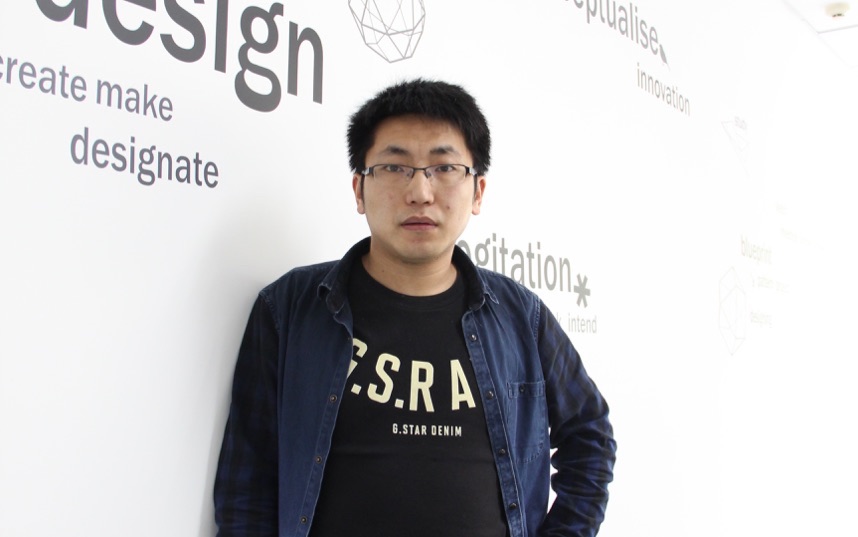
Zhang’s (pictured below) background is in software development, but he’s been swayed by the power of smart gadgets that give people useful metrics that might help improve their lives. “Traditional hardware is heavily material-oriented, while smart hardware is very much human-oriented,” he explains to Tech in Asia – and that’s the appeal to him.
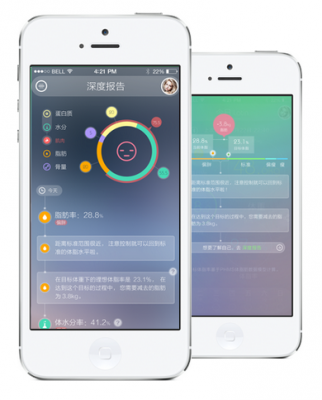
PICOOC has sold 100,000 of its scales in the past past eight months, and now claims to have 260,000 users on its health tracking app for iOS or Android.
Here come the giants
Despite growing awareness of wearables and smart gadgets among consumers, gadget makers still face many challenges. One-third of consumers who have owned a wearable product stopped using it within six months, found a research team looking at the US market. It’s not clear why that’s happening – perhaps people find the metrics confusing or useless, or the hardware-software combo is just too fiddly and not conducive to daily use. Either way, a lot of smart gadgets still seem rather like over-priced toys. Another issue for Chinese startups in this space is that the really big boys – like Xiaomi and Baidu – are now producing their own smart gadgets. And those local tech titans are usually able to do so at amazingly low prices. Zhang acknowledges the threat:
Industry leaders play a critical role of introducing new technologies and eventually scaling the market. With Tencent, Baidu, and Xiaomi entering this space, we will face more challenges and competition in gaining market shares. However, their participation will help formalize industry standards and eventually advocate technologies that promote higher adoption rates. Intelligent healthcare [tech] requires cross-industry, inter-disciplinary technologies.
See: Two weeks after Xiaomi launches a smart blood pressure monitor, Baidu unveils one of its own
PICOOC currently has a team of 64 employees, of whom 80 percent are dedicated to R&D, blending the difficult recipe of hardware and software utility.





Stay updated on the go with our mobile app.
Get latest insights with smoother, more personalized experience through TIA mobile app.