
Welcome to The Offset! Delivered once a month via email and through the Tech in Asia website, this free newsletter breaks down the biggest stories and trends in greentech. Get it in your email inbox by registering here.
Hello,
I’ve recently finished watching the latest season of The Bear, which followed a rewatch of the entirety of Ted Lasso. Like many others, I find the underdog story of these series highly relatable.
In the electric vehicle space, BYD held this underdog role for a long time, as it played catch-up to the then more established Tesla. And just like The Bear’s Carmy and the titular Ted Lasso, I’ve rooted for BYD, as increased competition would lead to innovation and more consumer-friendly options.
But as BYD has caught up with Tesla in terms of tech – with the Chinese company even surpassing the Cybertruck maker sales-wise – the goalposts have been moved to autonomous driving.
And like my search for another series to watch, I’m excited to see which EV firm I’ll be rooting for in this new race.
THE BIG STORY
Inside the founders’ feud tearing Alterno apart
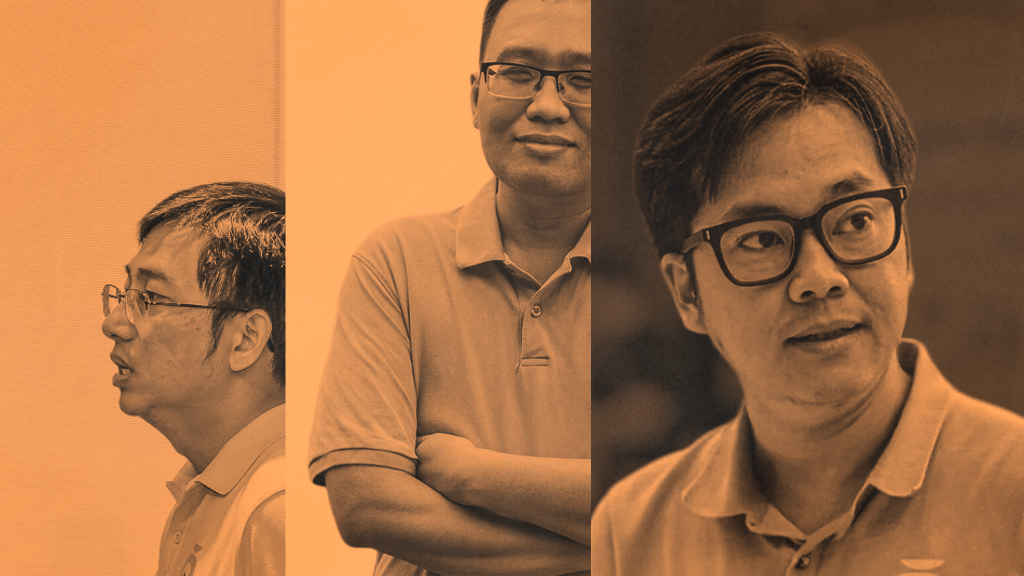
Photo credit: Tech in Asia
The Vietnamese sand battery startup is embroiled in a public dispute between its co-founders. The conflict involves Kent Nguyen, the former CEO, alleging that he was wrongfully terminated and received improper compensation for his shares.
His co-founders, Hai Ho and Nam Nguyen, deny these claims, calling them a smear campaign. But as both sides pursue legal action, the saga brings a damaging spectacle – one that can hinder Alterno’s goal to realize the potential of its sand battery tech.
In my colleague Huong’s story, she dives into the heart of this dispute, uncovering details behind the issues at play and the potential ramifications for Alterno’s future.
DEEP READ
How BYD caught up with Tesla in the global EV race

Image credit: Timmy Loen
In the race for EV market share, BYD is betting big on its tech. This makes sense, as the Chinese firm was previously one of the most notable challengers to Tesla.
But the innovation gap has narrowed. Caresoft, a company specializing in benchmarking and cost-reduction engineering for vehicles, estimates that the cost-saving methods BYD currently employs for car components and materials could save Tesla between US$350 and US$885 per vehicle if the Elon Musk-led company implements them.
With BYD’s proximity to China’s manufacturing ecosystem, it had the capability to iterate quickly and have a better handle on costs.
Meanwhile, Tesla faces challenges – particularly in China, where data restrictions hinder its self-driving deployment and local competition is fierce. This isn’t to say Tesla hasn’t been making headway – last week, the company saw a 45% quarter-on-quarter increase in registrations in China.
But neither company is resting on its laurels. EV firms are now moving into AI and autonomous driving, where both BYD and Tesla are vying for leadership.
Both have an edge over the other in this new race – Tesla’s first-mover advantage and BYD’s sales volume. But time will tell who ends up on top.
TRENDING NEWS
Also check out Tech in Asia’s coverage of Asia’s greentech scene here.
1️⃣ Microsoft signs 12-year deal for 4.9 million tons of carbon removal
The deal with Vaulted Deep would see treated solid waste injected deep underground to prevent carbon dioxide from entering the atmosphere.
Why it matters:
This long-term commitment helps solidify the market for waste management solutions like Vaulted Deep’s. Meanwhile, Microsoft needs to do something to offset its growing carbon footprint from building more and more data centers.
2️⃣ Hanoi to ban gas bikes, push EV shift by July 2026

Traffic in Hanoi, Vietnam / Photo credit: Jon Chica / Shutterstock
The shift includes transitioning public transport to electric by 2030, backed by financial incentives for EVs and increased fees for vehicles using fossil fuels. This comes as the city finalizes its Low-Emission Zone plan by late 2025.
Why it matters:
An outright ban accelerates the need for charging networks, battery production, and smart grid solutions to support the massive transition from fossil fuels. However, it’s up for debate just how feasible it is to implement the ban in such a short span of time – in Hanoi, virtually every business relies on gas bike-powered deliveries.
3️⃣ SG’s Cleantech Solar secures $140m green loan from ING
The funding will go toward refinancing Cleantech Solar’s existing 175-megawatt platform as well as the company’s future expansion. These initiatives are expected to cut about 900,000 tons of carbon dioxide emissions annually.
Why it matters:
The large deal shows that big financial players are ready to invest significant capital into renewable energy, validating the sector’s growth and profitability.
4️⃣ Ex-French diplomat says tax on AI could fund climate action
Laurence Tubiana, who was a key figure in the Paris climate agreement, has cited AI and crypto’s significant and growing energy consumption as key drivers for the proposal.
Why it matters:
Taxing these consumption-heavy industries could lead to more funds for developing and deploying greentech solutions that address the energy crisis. That said, such a move will see resistance from AI and crypto stakeholders, especially with the booming popularity of AI.
5️⃣ Indonesian nickel workers powered the EV battery boom, but layoffs have hit
A shift by EV manufacturers toward lithium-ion phosphate batteries has led to a sharp drop in global nickel demand, leaving workers in the lurch.
Why it matters:
The nickel downturn threatens not only worker livelihoods but also Indonesia’s long-term plans to lead the EV materials supply chain, raising questions about how resource-dependent economies adapt to fast-moving tech shifts
STARTUP WATCH
1️⃣ Helical Fusion raises $16.1m to accelerate fusion reactor program
This funding will accelerate the development and construction of the Japanese firm’s key components and demonstration facilities. Helical Fusion aims to achieve commercial power generation in the 2030s.
2️⃣ US clean fuel tech startup Amogy raises $23m for Asia expansion
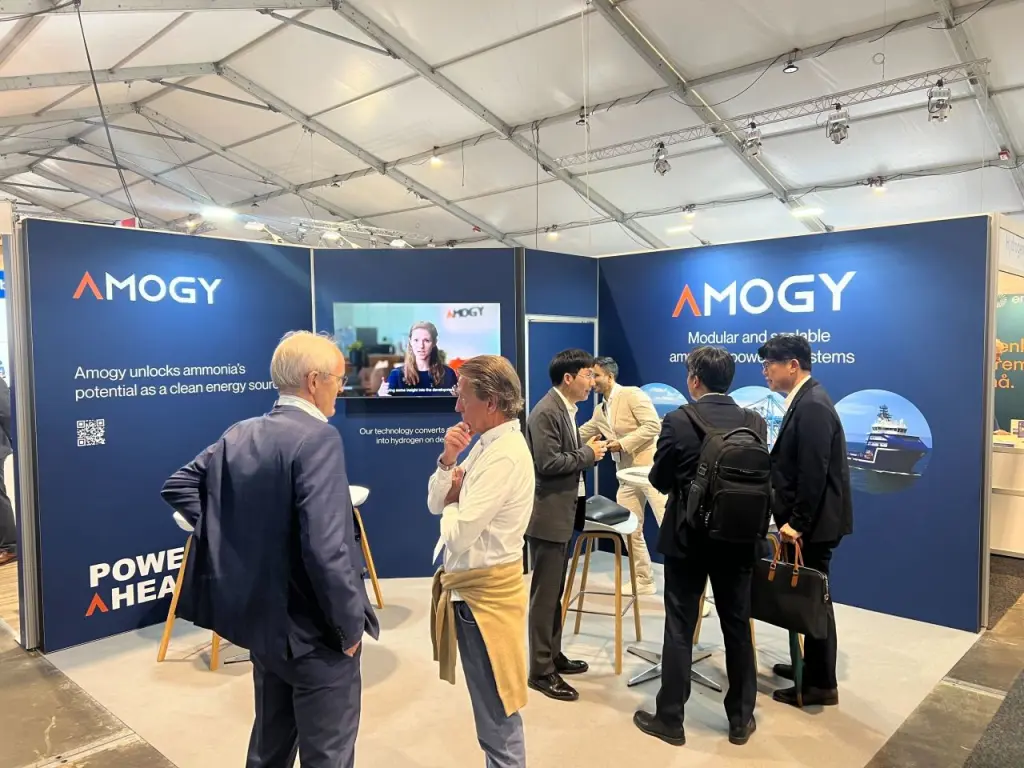
On top of its expansion plans, Amogy will use the capital to scale its stationary power applications and advance its maritime technology. The company converts ammonia into clean power with zero carbon emissions at the point of use.
3️⃣ Solarstic gains backing from FIND-US, 500 Global to expand solar module solutions
The South Korean firm’s offerings are designed for vehicle exteriors as well as industrial rooftops. Solarstic plans to use the new capital to begin mass production of its solar modules and pilot installations for industrial customers.
4️⃣ Uravu Labs raises fresh funding from Enrission India Capital
The India-based startup extracts clean drinking water with renewable energy and proprietary liquid salts. Uravu Labs will use the funds to expand commercial deployments and bolster its tech.
5️⃣ Indonesian waste management startup Sirsak nets $600k pre-seed
The investment, led by Openspace Ventures, will help Sirsak build up its recycling network and develop a new traceability system. It has a long-term goal of diverting 100,000 tons of packaging waste by 2030.
That’s it for this edition – we hope you liked it! Do subscribe to continue receiving The Offset.
See you next month!
The Offset is made possible thanks to Taiwan Mobile.
The company recently held the “AI with Purpose Global Summit.”
Taiwan Mobile, verified by the Science Based Targets initiative (SBTi), commits to net-zero emissions by 2050.
Stay updated on the go with our mobile app.
Get latest insights with smoother, more personalized experience through TIA mobile app.
Recommended reads
 Indonesian AI startup goes global
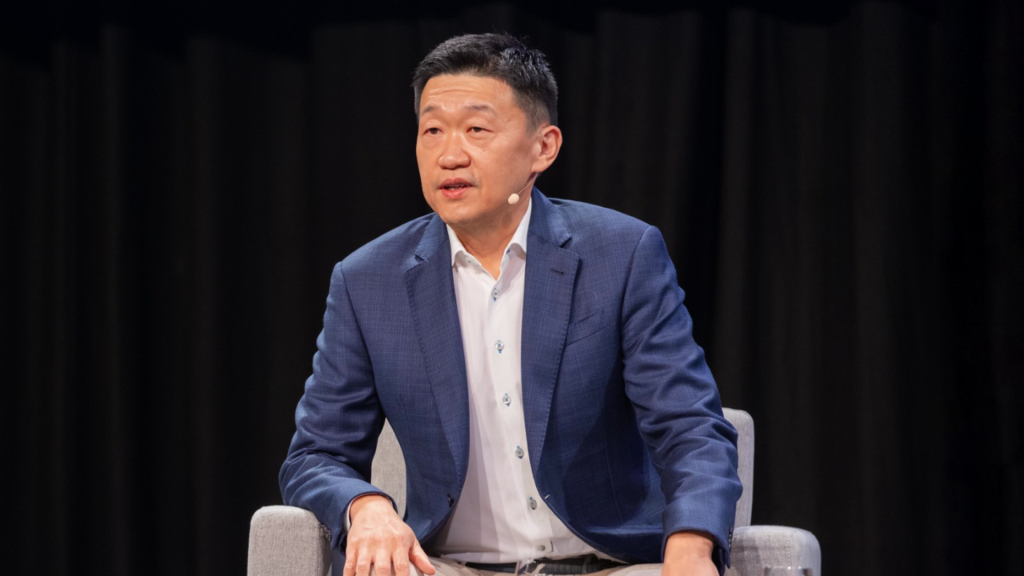 Forrest Li on scaling Sea, building smarter bots, and founder grit
 An AI assistant that joins sales calls and scores team skills
 SGX’s CEO says it doesn’t need a unicorn to win
 SMEs want AI too, but not the kind Big Tech is selling
 Oatside’s alt-milk rise hits a profitable gear
 Alibaba’s financial health in 12 charts
 Asia’s telcos bundle AI into mobile plans. Will it pay off?
 M-Daq chases bigger clients as revenue falls, losses grow
 VC tracker: Accel raises US$3.5b, including US$550m for India





Edited by Kyle Lorenzo Subido and Peter Cowan
(And yes, we’re serious about ethics and transparency. More information here.)





