- Premium Content It takes our newsroom weeks - if not months - to investigate and produce stories for our premium content. You can’t find them anywhere else.
 Emmanuel Samarathisa · · 7 min read
How Malaysia’s 5G rollout turned messy
Dan Lain-Lain (Malay for “and others”) is a weekly column by TIA journalist Emmanuel Samarathisa that dissects the goings-on in the Malaysia tech scene but with a heavy mix of current affairs, policy, and politics. Click here to read past articles.
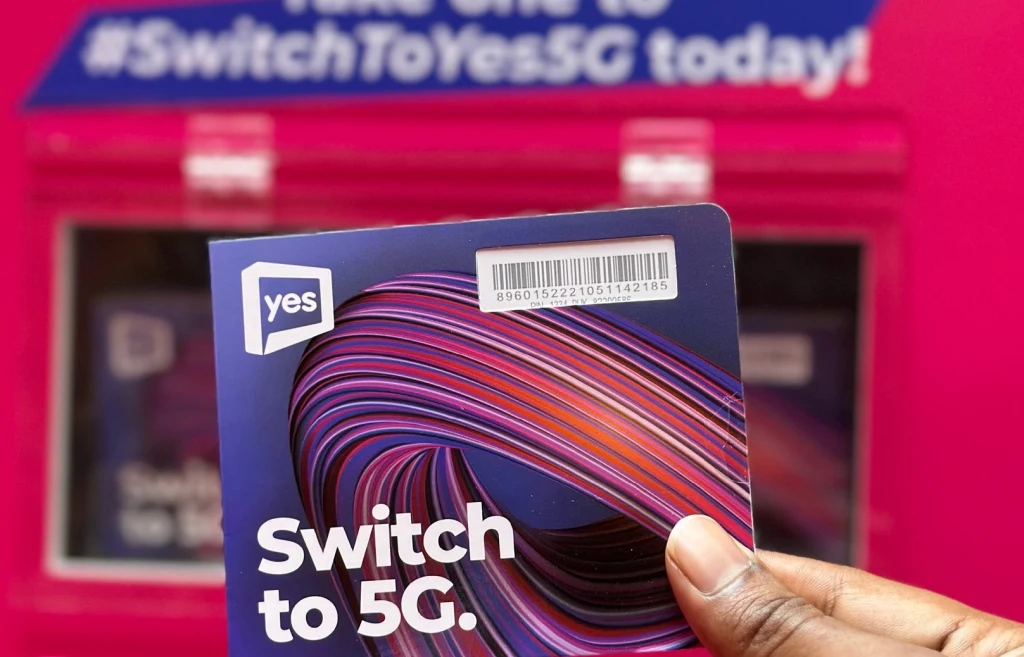
Yes, the telco arm of conglomerate YTL, was among the first adopters of Malaysia’s 5G rollout. / Photo credit: Yes
Last week, I took a break from writing this column. No, I didn’t do any soul-searching – I just wanted a reprieve from the weekly grind.
During my time off, one topic surfaced in the news: Malaysia’s 5G rollout. To be sure, it has come up before, usually from negative coverage.
This time, however, the buzz was that Prime Minister Anwar Ibrahim would be announcing the results of a government review on the country’s 5G initiative. The day of reckoning was supposed to be yesterday. Alas, there was no post-cabinet press conference.
While a formal announcement may only be made after the Eid celebrations, there are some things that need to be said. For starters, Malaysia botched its 5G rollout.
Believe it or not, Malaysia was ahead of Singapore… at least in announcing its intention to push out 5G. Singapore announced its plans in 2020, Malaysia did so in 2018.
But talking about this is like being a Liverpool fan, a diehard who can only cope with the football club’s present inconsistent run by looking at past accolades. But, hey, this isn’t a sports column.
Of political instability
Let’s get back on track. 2018 – if you’ve been following Malaysian affairs – was a crucial year for the country because a regime change occurred after the 14th general election – a first in Malaysia’s history.
In the run-up to the elections that year, there was a proposal to deploy broadband nationwide.
When Mahathir Mohamad returned as prime minister after the 2018 elections, his government reviewed the broadband plan, and from this study came a clearer ambition to move into 5G, among other things.
In a nutshell, telcos would be asked to form a consortium and go about building 5G infrastructure. Financing will come from the telcos’ own books.
The Malaysian government would provide some aid through an already established kitty for digital infrastructure called the Universal Service Provision (USP) fund. There would also be the possibility of another consortia should this model prove successful.
What this consortium needed to do was bid for 5G spectrum auctioned by the Malaysian Communications and Multimedia Commission (MCMC), a state-owned industry regulator. MCMC also oversees the above-mentioned USP fund.
Enter the multiverse of madness
A backdoor lobby
Stay ahead in Asia’s tech landscape
This is premium content. Subscribe to read the full story.
When a public project morphed into its own “multiverse of madness.”
We know this is not ideal. ⌛ Sign up in 20 seconds. Cancel anytime.
Our subscriber community includes professionals from these companies:





Stay updated on the go with our mobile app.
Get latest insights with smoother, more personalized experience through TIA mobile app.