 Roehl Niño Bautista · · 2 min read
Malaysia’s oil palm plantations to go cashless with digital payments partnership
LintraMax, maker of plantation management system Quarto in Malaysia, is partnering with payments firm Merchantrade to roll out a digital ecosystem for operations, starting with going cashless for transactions.
Oil palm plantations using Quarto will be introduced to Malaysia-based Merchantrade’s digital payment solutions, while their workers will be trained to use its digital wallet Merchantrade Money.
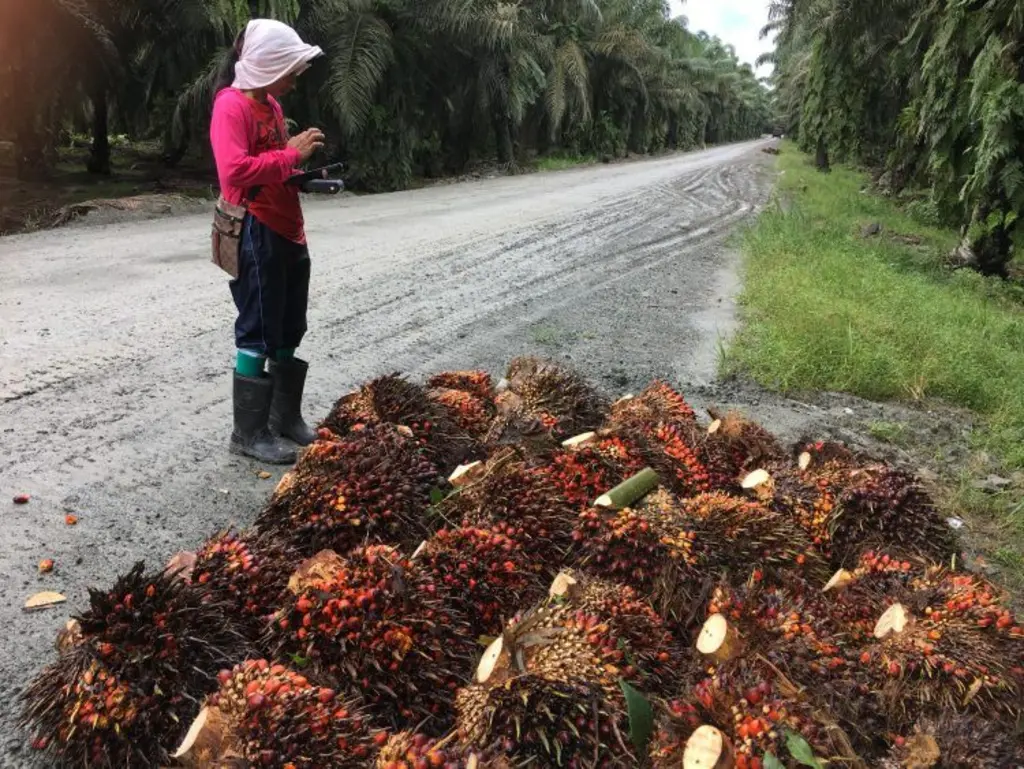
A worker using QuartoConnect from LintraMax to record information / Photo credit: LintraMax
LintraMax, founded in 2002, provides end-to-end onboarding for clients onto Quarto. Through the solution, plantations can increase performance by automating and simplifying processes around precision agriculture, mill management, and fresh produce cultivation. The platform is also available in Indonesia and Papua New Guinea.
Founded in 1997, Merchantrade runs different digital payment platforms and is connected to more than 100 partners and 40 banks globally. It also operates money transfer service eRemit in Singapore.
See also: Indonesian agritech is pandemic-proof, but here are the warning signs
“Payroll processing at plantations is the main pain point that we are trying to address through this partnership,” said LintraMax founder and managing director Khor Kheng Khoon, “Currently, many plantations still rely on cash and checks to pay employee wages every month.”
The move is also expected to drive digital payments adoption, said Merchantrade founder and managing director Ramasamy K Veeran. “Migrant workers would find our digital wallet solution ideal because it already comes in multiple languages,” he added.
Over 100 plantation companies currently use LintraMax’s system. Going digital does not only make payroll management for their users simpler and safer, it can also help minimize physical contact, especially during the Covid-19 pandemic, added Khor.
The Malaysian Palm Oil Board considers the oil palm industry as a “pillar” as it is the biggest contributor to the country’s agriculture sector, according to data from Statista.
Editing by Collin Furtado and Jaclyn Tiu
(And yes, we’re serious about ethics and transparency. More information here.)





Stay updated on the go with our mobile app.
Get latest insights with smoother, more personalized experience through TIA mobile app.







📅 Upcoming Events
22 October 2026
Payoneer x CSPN Summit 2026