- Premium Content It takes our newsroom weeks - if not months - to investigate and produce stories for our premium content. You can’t find them anywhere else.
 Emmanuel Samarathisa · · 3 min read
Malaysia: No country for tech heroes
Recently, I had tea with a few startup founders. A common request – and a reasonable one – is to showcase what Malaysia has to offer. A hero story, as they say.
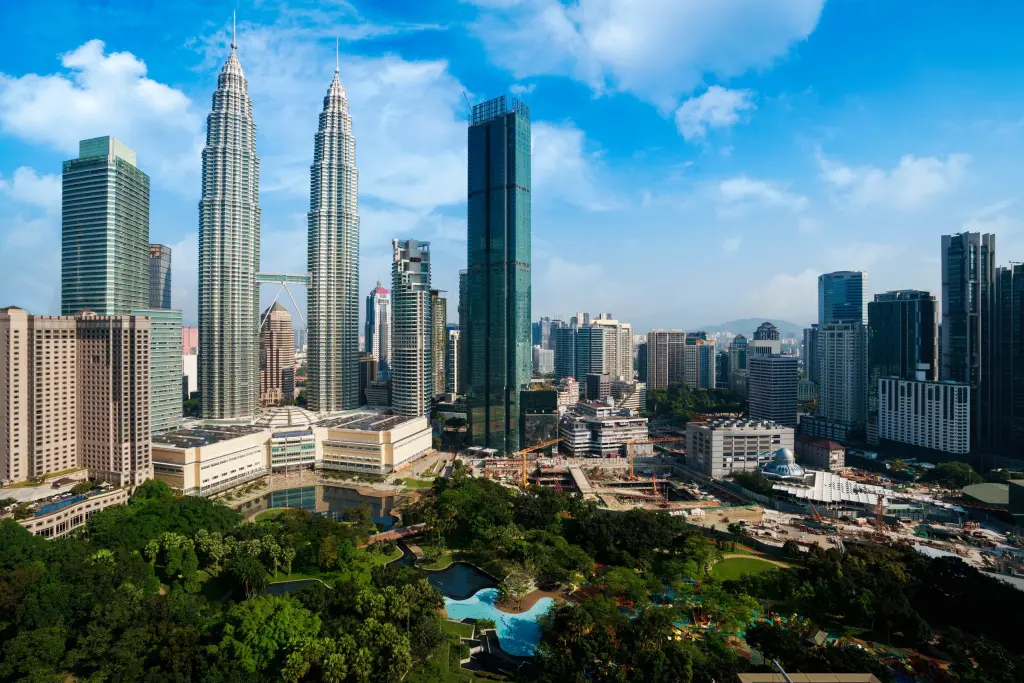
Malaysia’s capital city, Kuala Lumpur. Photo credit: pat138241 /123RF
That sounds really good: I work for a regional tech publication, which is the best platform to parade and fete what the country has to offer.
But it’s also a difficult request.
More so now as Malaysia looks to appoint its new government. Depending on when you read this column, the country would either already have a new prime minister sworn in while horse trading is still on, or we’ve reached an impasse with no clear winner.
What does politics have to do with tech? Policymaking, of course. The outcome of Malaysia’s search for a new government could either push the country’s tech industry forward or hold it back.
From brain drain to political uncertainty
There are major problems that the country has to deal with but two seem relevant here: the lack of skilled talent, with many citizens plying their trade elsewhere, including Singapore, and a dull tech industry that only produces local champions or jaguh kampung in Malay.
The tech evangelists in the previous government, including former finance minister Tengku Zafrul Tengku Aziz, are no longer around, having lost their respective battles in the recent general elections.
The startup space will remember Zafrul as the man who got Penjana Kapital, a state-owned fund of funds, going. He also graced Catcha founder Patrick Grove’s Wild Digital conference, which was among the large tech-related conferences in the country before the elections.
But despite an openness towards startups and VCs, Zafrul failed to install more serious reforms in the space. Many government-owned VCs overlap in terms of investment mandates.
Even the largest of these, Mavcap, has come under criticism for being sluggish in deploying capital and in raising a VC class. State-owned VCs and tech agencies answer to the finance minister.
What hangs in the balance is a bag of goodies worth US$100.4 million for tech and startup funding in the country’s 2023 federal budget.
When a new government waltzes in, it’ll have to table the budget again, which will then be voted on in parliament. This is because elections were called right after the budget was announced but not passed.
This will be the first order of government business. This process allows some of the startup/tech items to be reviewed. There might also be a chance that these perks and promises stay as they are.
Stay ahead in Asia’s tech landscape
This is premium content. Subscribe to read the full story.
Political turmoil and red tape continue to plague Malaysia.
We know this is not ideal. ⌛ Sign up in 20 seconds. Cancel anytime.
Our subscriber community includes professionals from these companies:





Stay updated on the go with our mobile app.
Get latest insights with smoother, more personalized experience through TIA mobile app.








📅 Upcoming Events
22 October 2026
Payoneer x CSPN Summit 2026