 Stefanie Yeo · · 6 min read
How Singapore is sowing the seeds for greentech startup success

Singapore has seen some wacky weather recently, experiencing some of its coldest and hottest days on record in the last year alone. Climate change is the culprit, and if left unchecked, it could lead to more brutal heatwaves and severe flooding events, phenomena that the entire world – not just the city-state – will soon experience more frequently.
That’s why the country has made sustainability one of its top priorities. Earlier this year, the Singapore government announced the Singapore Green Plan 2030, an effort to advance sustainable development in the nation. The plan involves increasing the use of alternative energy sources, improving energy efficiency, scaling up green infrastructure, and reducing waste.
However, government action alone won’t be enough.
“Businesses will play a pivotal role in accelerating the green economy and meeting Singapore’s climate ambition to achieve net-zero emissions by or around 2050,” says Christine Wong. She’s the executive director of urban solutions and sustainability at Enterprise Singapore, a government agency championing enterprise development in the nation.
“This comes as companies face increasing pressure to integrate sustainability into their businesses and bring positive impact to the society and environment that they operate in.”
Building green solutions
Southeast Asia’s green economy could provide up to US$1 trillion in annual economic opportunities by 2030.
And startups and businesses in Singapore “that can develop sustainability as a core capability and offer sustainable products and services will be well-equipped to capture green demand,” Wong shares.
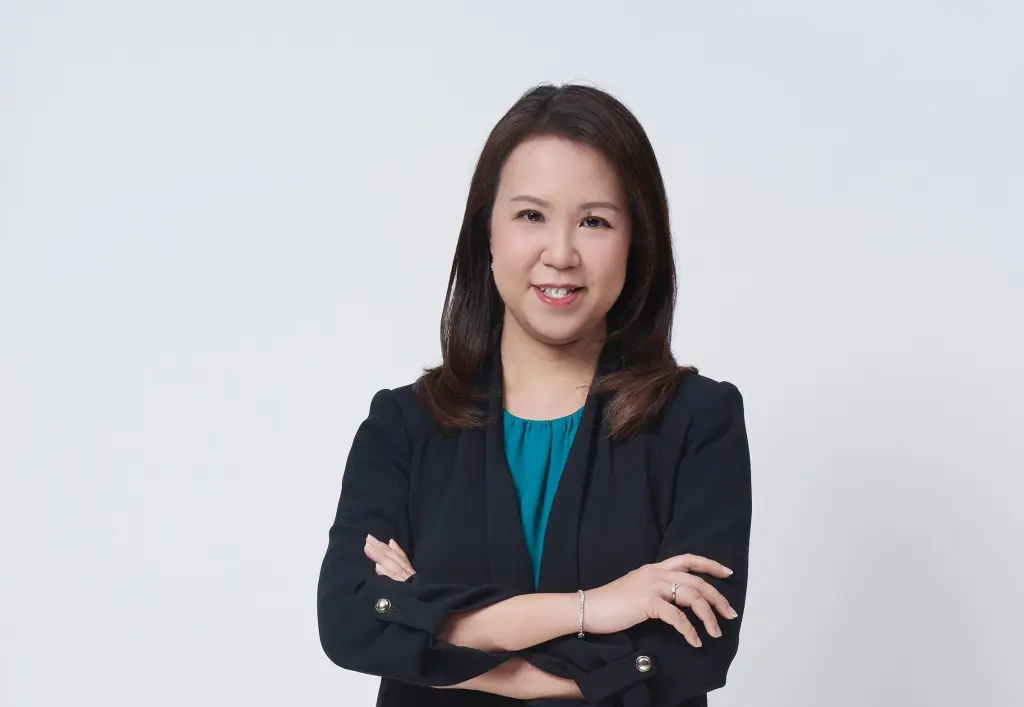
Christine Wong, executive director of urban solutions and sustainability at Enterprise Singapore / Photo credit: Enterprise Singapore
To help firms achieve that, greentech accelerators – such as Imagine H2O Asia and GreenMeadows Accelerator – as well as institutes of higher learning that help support research and development in new green technologies will play an important role.
Accelerators are particularly crucial because they can help startups quickly reach key milestones like raising venture capital, exiting via acquisition, and gaining customer traction.
Singapore’s ecosystem “includes a robust network of partners and infrastructure to support startups and SMEs to accelerate development of innovative green solutions, capture new demands in sustainability, and scale globally,” says Wong.
For instance, the Enterprise Sustainability Programme provides a wide range of resources for companies to both improve their own sustainability practices as well as seize opportunities within the green economy.
The power of open innovation
One business that has benefited from Singapore’s robust innovation ecosystem is Ecosoftt. Launched in 2012, the social enterprise provides a comprehensive set of solutions to address global challenges related to accessing clean water, such as diversifying water sources, ensuring sanitation, and recycling and disposing waste water.
While its solutions have now been deployed in over 70 projects, serving more than 300,000 people, Ecosoftt had significant challenges getting off the ground in its early days.
“We had little resources when we started, and both my co-founder and I were not originally from the water resources industry,” shares Marcus Lim, Ecosoftt’s CEO. “We also lacked the technical expertise, network, and track record to develop our products and get customers on board.”
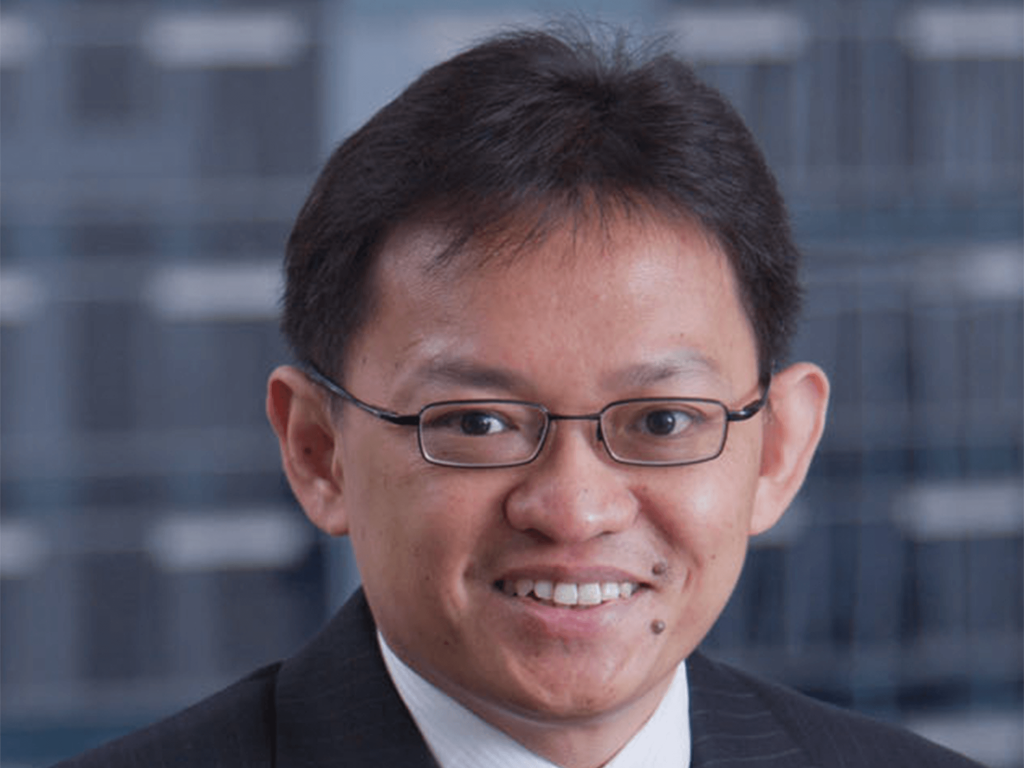
Marcus Lim, CEO of Ecosoftt / Photo credit: Ecosoftt
However, Lim knew that setting up in Singapore would give his team an advantage, as the country had built a growing innovation ecosystem, he adds.
The CEO and his team turned to several initiatives to boost product development.
Ecosoftt obtained funding support from Design Singapore, the city-state’s national agency for design. This helped Ecosoftt launch its first major initiative, a smart bathroom product that enables the recycling of greywater – waste water from non-toilet plumbing systems – for non-potable purposes like flushing and cleaning.
In 2015, it joined the JTC-SPRING Joint Grant Call for Testbedding of Sustainable Technologies, where it presented its water control system that helps recycle waste water for commercial buildings while eliminating harmful microbes and viruses.
“That initiative (the JTC-SPRING grant call) helped us sharpen our technology offering and build a track record, which we leveraged to win more international contracts,” says Lim. Ecosoftt has since participated in four other open innovation calls, which has helped to elevate its status even further.
According to Wong, open innovation projects are a core part of the support that Singapore offers to its startups. These provide companies with “access to validated market demand, and for corporates, a chance to crowdsource for and harness novel solutions.”
Networks and open doors
For Tria, a sustainable foodware company, key partnerships were pivotal in garnering more recognition.
Founded in 2016, Tria created an end-to-end system for organic recycling that enables food service brands to recycle single-use packaging and leftover food waste without needing to separate them.
Aside from providing biobased packaging, the company also offers a solution that allows this packaging to be quickly broken down, turning waste into farm-ready fertilizer.
With support from the Enterprise Development Grant, Tria developed its own innovations, technology, and intellectual property, and struck a partnership with KFC Singapore to trial the use of its solutions in the fast food chain’s branches.
“The ability to link up with other companies from Enterprise Singapore’s extensive network provided the unique opportunity to foster meaningful collaborations and impactful partnerships,” says Tria CEO Ng Pei Kang.
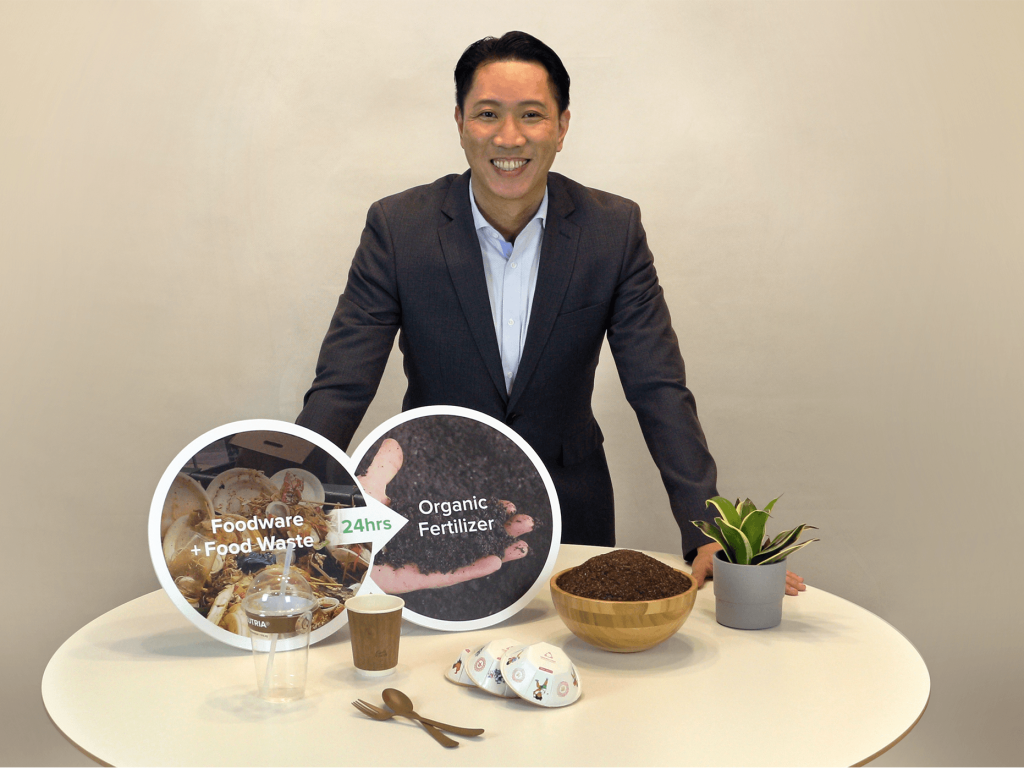
Ng Pei Kang, CEO of Tria / Photo credit: Tria
This has opened doors for the firm: Tria provided the disposable tableware and drinkware used at this year’s Formula One Singapore Grand Prix. It is also currently working with Norwegian fertilizer giant Yara International to scale up its technology to produce fertilizer at a commercial level.
Meanwhile, Neu Battery Materials, which offers a recycling solution for lithium-ion batteries that is cleaner and more sustainable than existing methods, has also benefited from Singapore’s innovation ecosystem.
According to co-founder and CEO Bryan Oh, the firm struggled initially with obtaining raw materials and finding industry partners. However, the Global Innovation Alliance network helped it connect with potential partners in Europe.
“Since then, we have formed a strong supply chain with many global lithium battery partners, from manufacturing batteries to recyclers,” shares Oh. “This has helped us work more closely with companies to understand their needs for recycling and tailor our solution to meet their requirements, helping us to acquire them as key customers.”
To a cleaner, greener Singapore
Sustainability will only become more important for Singapore on the road ahead – investors, customers, and employees alike will have greater expectations of businesses on this front.
“To cope with these new changes, enterprises will need to equip themselves with sustainable business practices and take active steps to address sustainability risks,” says Enterprise Singapore’s Wong.
“This creates new opportunities for solution providers who are able to adapt to changing demands and develop the relevant expertise and innovative solutions to support.”
For its part, Enterprise Singapore is committed to playing a key role in facilitating these opportunities.
“We will do our part to catalyze and support the development and adoption of innovative technologies to advance Singapore’s transition toward a green economy,” Wong concludes.
Enterprise Singapore is a Singapore government agency championing enterprise development. It is also the organizer of the Singapore Week of Innovation & Technology (SWITCH), a leading tech festival that offers participants access to global startups, investors, corporate offices, and the innovation community.
Held at Resorts World Covention Centre in Singapore from 25 to 28 October 2022, SWITCH 2022 saw more than 9,000 participants, 350 speakers, and 300 exhibitors at the event. Attendees got to connect with leaders at the forefront of innovation and technology, and witnessed the Grand Finals of Slingshot 2022 – EnterpriseSG’s marquee deeptech startup pitching competition. Find out more here.
This content was produced by Tech in Asia Studios, which connects brands with Asia’s tech community. Learn more about partnering with Tech in Asia Studios.
Stay updated on the go with our mobile app.
Get latest insights with smoother, more personalized experience through TIA mobile app.
Recommended reads
 Swapping hydrogen cylinders for on-site generation
 SG agency launches S$30m initiative for green computing research
 AI uses pilot-style checklists to help doctors decide safely
 NTU spinoff raises $5m to bolster stroke, accident care wearable
 Singtel partners with Nvidia, others for AI initiatives
 Tin Men Capital injects $2.7m in AI software startup’s pre-series A round
 Singapore drafts genAI governance framework
 Vizzio bolsters exec lineup 2 years after credential saga
 SG, MY, and HK companies shine in 2025 Emerging Enterprise Awards
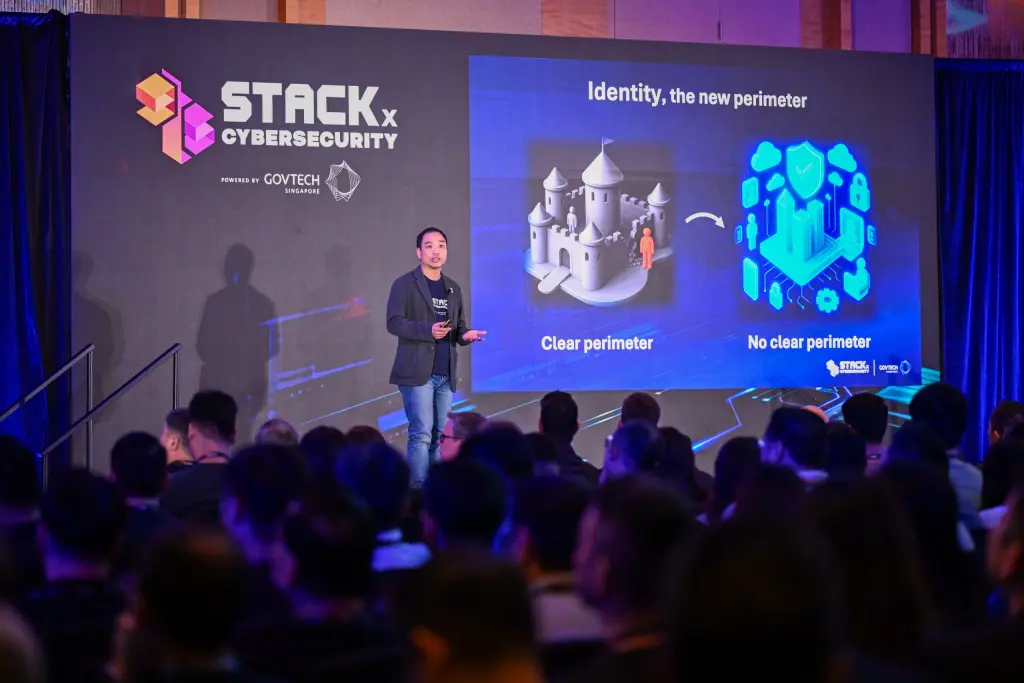 QuickBytes: How GovTech Singapore is fighting fire with fire in cybersecurity





Editing by Winston Zhang, Jonathan Chew, and Jaclyn Tiu
(And yes, we’re serious about ethics and transparency. More information here.)



📅 Upcoming Events
22 October 2026
Payoneer x CSPN Summit 2026