When Beijing Kunlun Tech bought the remaining shares it did not own in gay dating app Grindr in 2018, the Chinese video game developer said the acquisition was “critical” to its social media and content platform strategy, which would help it become a leading global internet company.
Today, however, Kunlun may be forced to sell off Grindr after a US government body – the Committee on Foreign Investment in the United States (CFIUS) – told the firm that its ownership of the app constituted a national security risk, according to a Reuters report that cited unnamed sources.
That government intervention would push aside Kunlun’s plans for an overseas public listing of Grindr, which described itself as the world’s largest social networking app for gay, bisexual, transgender, and queer people. It had an estimated 27 million users as of 2017.
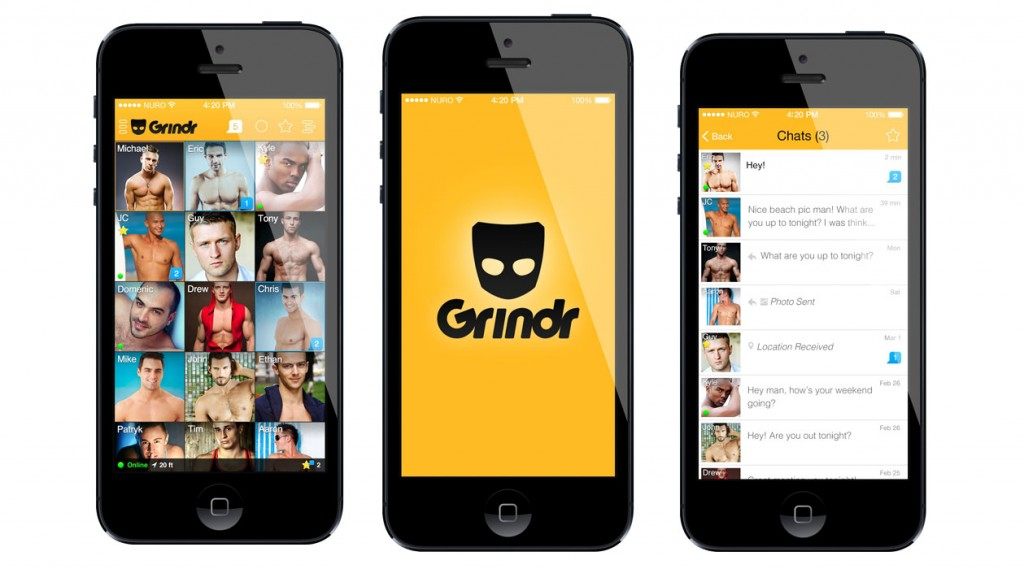
Photo credit: Grindr
Founded in 2008, Kunlun specialized in publishing browser-based video games, including popular role-playing titles Eden Eternal and Glory Destiny Online. It is also the China distributor for Clash of Clans, a hit mobile game created by Finnish developer Supercell, which was acquired by internet giant Tencent Holdings in 2016.
The Beijing-based company was founded by Zhou Yahui, a graduate of China’s prestigious Tsinghua University. He became an overnight billionaire, with an estimated net worth of US$1.7 billion, when Kunlun went public on Shenzhen’s ChiNext board in January 2015.
Since its initial public offering, Kunlun has expanded into social media and content. It has acquired stakes in Norwegian browser company Opera, as well as online consumer credit provider Qudian and livestreaming portal Inke – both of which went public in the US and Hong Kong, respectively.
In January 2018, Kunlun paid US$152 million to buy the remaining 32 percent shareholding in Grindr that it did not own. The company initially paid about US$93 million in 2016 for a 62 percent interest in the app.
“There’s still a gap [to be filled] when it comes to gay dating,” Zhou told local media.
Grindr, which counts the US and Europe as its major user base, is one of three major businesses operated by Kunlun, contributing 12.9 percent or 3.4 billion yuan (US$506 million) to its total revenue in 2017. Kunlun’s business units include mobile gaming platform GameArk and entertainment social platform Xianlai Entertainment.
Kunlun derived 48 percent of its revenue that same year from social networking and 45.5 percent from gaming, with other income generated from online advertising. Kunlun was projected to record a net income of 1.17 billion yuan (US$174 million) in 2018, according to analysts’ estimates compiled by Bloomberg.
Last August, Kunlun started preparations for the overseas public listing of Grindr. The timing of the listing is dependent on conditions in the international capital market and progress of approval from domestic and overseas regulators, Kunlun said in a public filing on the Shenzhen Stock Exchange at the time.
The CFIUS intervention, however, would put an end to that process. It also represented a rare case for CFIUS – the inter-agency body tasked to assess national security implications of mergers, acquisitions, and takeovers that result in foreign control of any US business – to undo an acquisition that has already been completed.
Kunlun did not immediately respond to email and phone inquiries about the issue with CFIUS. An employee at its investor relations department said she was not authorized to comment on the matter. Grindr also did not respond to an emailed inquiry.





Stay updated on the go with our mobile app.
Get latest insights with smoother, more personalized experience through TIA mobile app.