 Michael Tegos · · 4 min read
This startup uses blockchain tech to make sure your vaccines are safe
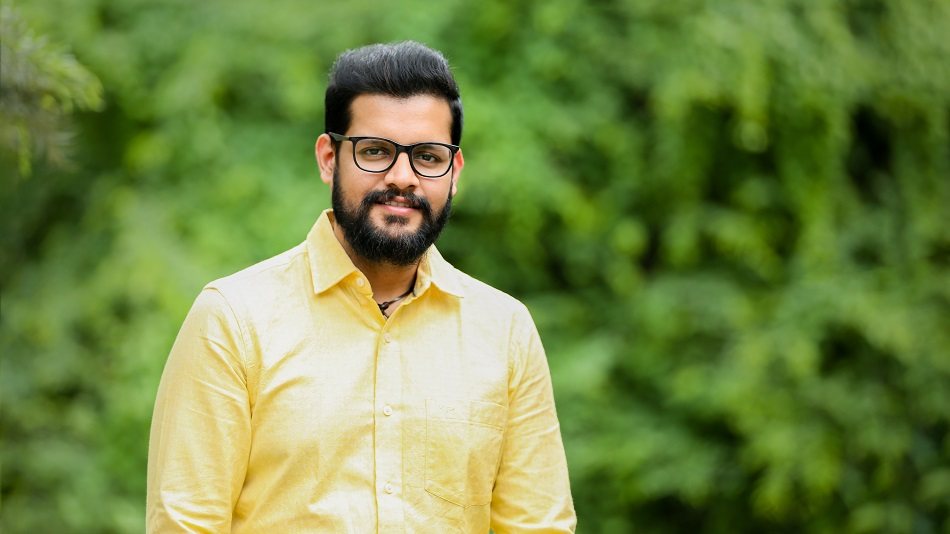
Statwig co-founder and CEO Sid Chakravarthy. Photo credit: Statwig.
About half of vaccines today go to waste because of mismanagement of the supply chain, while inefficiencies in that chain make up an estimated 80 percent of a vaccine’s costs, Statwig’s CEO Sid Chakravarthy tells me.
His startup, Statwig, is trying to address this problem by combining sensor and blockchain technology. By automating product tracking, the startup can monitor and identify where the process breaks down – improper storage conditions, tampered packaging, and so on.
“Less than one-third of people who handle vaccines actually monitor their temperature,” Chakravarthy explains. Due to high costs and a vaccine shortage, only 30 percent of people who need vaccines in developing countries can get them.
Statwig, based in Singapore and India, recently graduated from Singaporean hardware accelerator Airmaker, whose latest cohort focused on digital health and smart city technology.
Health hazard
Early last year, social media and news outlets in China were abuzz with the revelation that a number of vaccines deployed in the country from 2011 onwards were found being used past their expiration date and not properly refrigerated.
A few months later, Indonesia was rocked by the news that fake vaccines had made it into the country’s hospitals and pharmacies.
Chakravarthy had moved from India to the US to work on emerging technologies for companies like Cisco. He specialized in understanding new technology trends and their impact, helping his employers stay ahead of the competition.
Late last year, he moved back to India, where he identified the vaccine problem through connections he had made in the pharmaceutical industry.
Blockchain helps keep records intact and immutable due to the decentralized nature of the tech.
“It’s very difficult to put in new processes and train staff in the supply chain, to have that control,” he says. “It was immediately clear to me that we can use the internet of things to automate a lot of the tracking.”
The team did some research to understand how the supply chain works and figure out the best ways to track products throughout. “The ideal way [to do that] is the packaging – adding an extra layer of sensors using internet of things tech or digital signatures using RFID,” Chakravarthy says.
The startup embeds the tech into the packaging so the products are monitored all the way to customers, who can be hospitals, NGOs, and so on. Using the app, they scan the product to get a complete history, including manufacturer, dates, batches, and more. Larger sensors can also be placed in cargo containers to monitor temperature in storage.
“We’re recording the product journey from the manufacturer to the customer and can create permanent records of where the failures are happening,” Chakravarthy says.
Food safety





Stay updated on the go with our mobile app.
Get latest insights with smoother, more personalized experience through TIA mobile app.








📅 Upcoming Events
22 October 2026
Payoneer x CSPN Summit 2026