
Even if you’ve been wilfully hiding under a rock, chances are that you’ve heard about Bitcoin or Ethereum. As the two leading cryptocurrencies or coins, these two names have permeated everyday conversation.
The latest resurgence of the cryptocurrency market, from November 2020 to mid-May 2021, has caused more people to sit up and take notice of the segment and see it as a longer-term trend, rather than just another fad.
However, the space still appears fragmented, complicated, and daunting, especially to new entrants with no prior experience in financial trading.
The landscape in 2021
The industry has seen several significant developments recently.
First, there’s decentralized finance (DeFi), services developed with the belief that financial systems can and should be run by general consensus, rather than being controlled by a handful of powerful authorities. DeFi systems are driven by the use of smart contracts, which are digitally coded agreements that are automatically and securely executed by the blockchain that powers it.
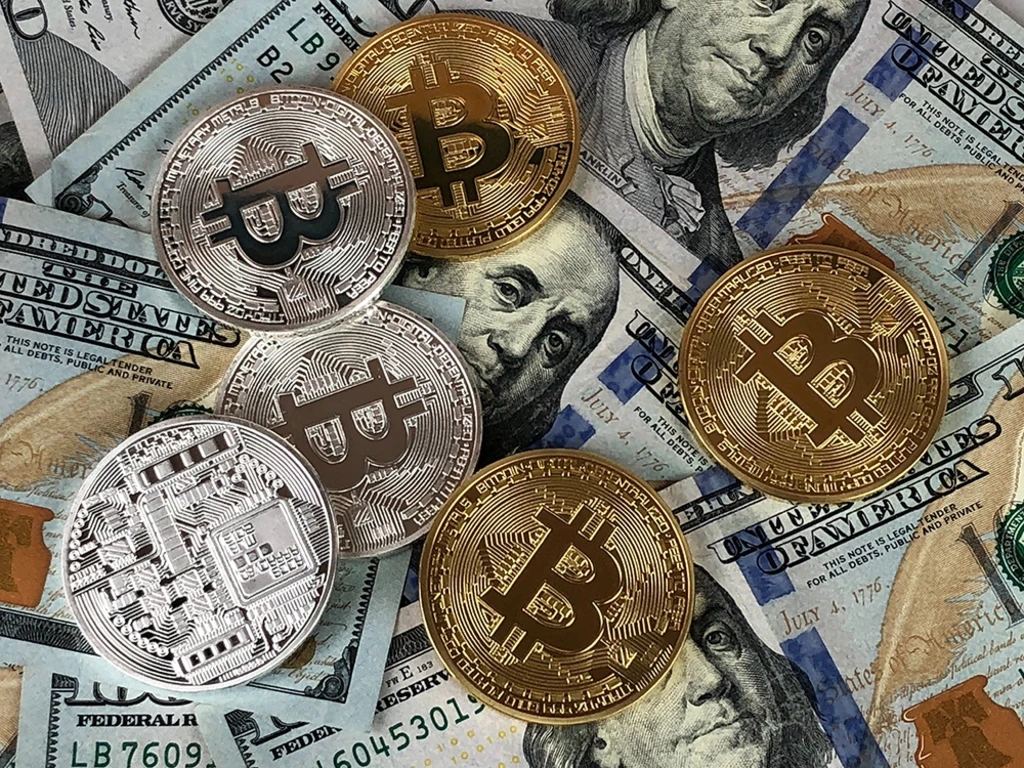
Photo credit: David McBee
Second, Layer 2 scaling has also had a big impact. These services, which are built on top of a main blockchain layer, have gained prominence with their innovative ways to expand the capabilities of fundamental blockchains like Bitcoin and Ethereum. The concept enables faster transaction speeds, lower administrative fees, and more open participation on the blockchain network.
Lastly, stablecoins, backed by traditional financial assets like fiat currencies or gold, are an increasingly popular option among investors. Stablecoins let users enjoy the same security and privacy afforded by blockchain-based payments while minimizing the volatility that cryptocurrencies are notorious for.
Notable stablecoins today, pegged to the value of the US Dollar, include USD-Tether (USDT), USD Coin (USDC), Dai (DAI), and Binance USD (BUSD).
The vexation of volatility
Besides stablecoins, other coins currently capturing the attention of investors include Binance Coin (BNB), Solana (SOL), Polkadot (DOT), and Polygon (MATIC). However, the value of these assets are all subject to huge volatility.
“Do they have utility? Probably yes, some of them do. But are they overvalued? The answer is also yes,” says Zhu Juntao, CEO and co-founder of Hodlnaut, a platform that helps users grow their cryptocurrency portfolios while keeping their assets in secure storage.
In a situation similar to the dot-com bubble in the early 2000s, these coins are based on good ideas and objectives, but marketing hype has led to their overvaluation, says Zhu.

Zhu Juntao, CEO and co-founder of Hodlnaut / Photo credit: Hodlnaut
A lack of supply, which allows large trading movements to make a greater impact on value, is one factor.
For example, while Bitcoin has a total market cap of more than US$700 billion, only US$10 billion or less is traded regularly. Much of the remaining supply seems to have been lost or misplaced.
Similarly, other coins with smaller quantities can also have their valuation disproportionately affected by the actions of a few users holding larger portions.
There’s also the doubt and the fear of missing out among individual investors, which contribute to larger swings in trading value. Unlike professional investors like high net worth individuals or family offices, retail investors tend to make emotionally driven choices – overbuying as the market trends upward and overselling when the opposite happens.
While Bitcoin’s volatility has statistically fallen over the years, current data still isn’t very reassuring. Its current annualized volatility – meaning how widely its value has ranged in the last 12 months – stands at 100%. That means Bitcoin is over 5x as volatile as the S&P 500 index, which has approximately 18% in annualized volatility.
That said, professional investors are still willing to bet on Bitcoin and buy into it. That’s thanks to its high Sharpe ratio, which indicates that potential rewards of investing in it far outweigh the risks.
Staying alive
On the other side of the coin, the risks involved in trading these assets present alluring opportunities to quickly grow one’s finances. Zhu offers three pieces of advice that can help people invest in cryptocurrencies as safely as possible.
The first is to treat the endeavor as you would when gambling: Only invest what you are comfortable losing. “If Bitcoin were to [fall in value] to zero today, I’d definitely feel hurt and pretty devastated. But will I be bankrupt? No,” he says.
Second, Zhu emphasizes never to borrow money to fund cryptocurrency purchases. He also strongly cautions against getting into unpredictable derivative instruments like futures unless you have complete knowledge and awareness of what you are doing. Instead, a safer bet is to trade with discipline or simply purchase a sum and leave it aside as a long-term play. In fact, this thought process was what led to the establishment of Hodlnaut – Zhu wanted to provide investors with an option to safely hold and generate yield from their crypto assets.
Third, to minimize chances of volatility, Zhu advises against investing in coins with smaller market caps, as they are more likely to have their value influenced by the actions of larger shareholders. He recommends new players to keep their options within the top 10 cryptocurrencies and learn about each of them beforehand.
To this end, he recommends websites like Coinmarketcap or Coingecko for real-time trading information on cryptocurrencies. More experienced investors can tap into analytics platforms like Skew, which provide deeper understanding on how investments should be managed.
The need for education
Looking ahead, Zhu believes that the lack of education and knowledge is holding back the wider proliferation of cryptocurrencies.
“Information right now is very fragmented,” he muses. “No single company is incentivized to educate its users on the difference between Bitcoin and Ethereum.”
Photo credit: Thought Catalog / Unsplash
Misconceptions are also rife among authorities and world leaders. Governments have been reluctant to enact forward-thinking legislation for the industry, while influential personalities provide misinformed opinions that can spread fear, uncertainty, and doubt about the potential of cryptocurrencies.
Zhu hopes that governments can find ways to better learn about the world of cryptocurrencies, so that regulations around the space can be broadened. For a start, he believes that stablecoins have demonstrated how conventional systems of value and its newer digital descendents can coexist without devaluing one or the other.
“I think regulators have to allow their own people to dabble more in cryptocurrencies so that they can understand it better,” opines Zhu. “It’s very difficult to understand anything on theory alone.”
Hodlnaut helps individual investors make the most out of their cryptocurrency holdings, partnering with institutions like Fireblocks, Jumio, and Nexus Mutual to realize its mission. Learn how it works on its website.
This content was produced by Tech in Asia Studios, which connects brands with Asia’s tech community. Learn more about partnering with Tech in Asia Studios.
Stay updated on the go with our mobile app.
Get latest insights with smoother, more personalized experience through TIA mobile app.
Recommended reads
 Is Dubai stealing Singapore’s thunder in crypto?
 SG’s crypto brain drain and India’s new digital rupee
 Ethereum’s ‘The Merge’ will cause chaotic grab-and-dump campaign
 What the ‘dollar milkshake theory’ means for crypto
 Ethereum’s Merge: key questions answered
 Legal document templates for startup fundraising updated. Here’s a summary
 SG exchange gets nod from MAS to offer crypto services
 I hid my NFTs out of fear this week
 Indonesian regulator halts new crypto exchange registrations
 The Philippines pauses digital asset licenses for 3 years





Editing by Winston Zhang, Nathaniel Fetalvero, and Jaclyn Tiu
(And yes, we’re serious about ethics and transparency. More information here.)





