 Yingzhi Yang · · 3 min read
China’s ‘easy’ money days over as value of VC deals plunges
The Chinese venture capital market collapsed in January, with both the value and number of deals down more than 60 percent year on year, according to new data. Some see the slump as a necessary “correction” amid tighter regulation and slowing economic growth.
Investments last month totaled 29.4 billion yuan (US$4.3 billion), representing a 67.5 percent year-on-year slide and 31.7 percent month-on-month slump, according to a report released February 11 by China-based researcher Zero2IPO.
A similar year-on-year fall was seen in the total number of deals, which fell 63.5 percent to 286.
More than half of the investment deals last month were for early-stage, series A, and series B financing rounds, with the hottest targets being business services instead of the previously dominant consumer sector, according to a separate report by Zero2IPO.
The easy money is now over, according to Joe Tsai, Alibaba Group’s executive vice chairman. “Entrepreneurs [in China] had it too easy raising gigantic billion-dollar rounds of capital and multibillion in valuation,” Tsai said at the Thomson Reuters Breakingviews Predictions 2019 event on Friday. “[A correction] will happen and it’s healthy.” (Alibaba owns the South China Morning Post.)
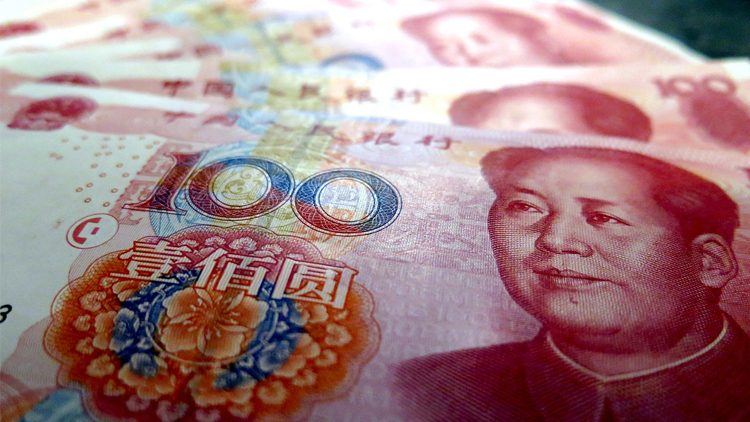
Photo credit: Pixabay
Chinese tech startups were able to raise billions of dollars in the private market from 2015 to 2017. But some that listed publicly last year are now trading below their offering prices, including smartphone maker Xiaomi and on-demand service giant Meituan Dianping.
Ofo is perhaps a prime example of the sudden change in fortunes some companies are experiencing. Founded in 2014, the bike-rental firm raised a total of US$2.2 billion in nine funding rounds in less than four years.
Once a startup star, Ofo has struggled with bankruptcy rumors since late 2018 amid a cooling of consumer interest in bike rentals, industry consolidation, a local authority crackdown on the number of bikes on congested city streets, and a sudden rush by about 13 million users in China to get their deposits back.
The number of Chinese startups that launched IPOs in January fell 65 percent year on year to 55, according to Zero2IPO, signaling tougher environment for venture capital or private equity investors looking to profit from new listings.
“Some startups cannot survive now that the capital rush has slowed,” William Li, a senior analyst at Beijing-based data research company Context Lab, said in an interview last month.
“They aggressively look for new people and offer attractive salaries and positions when they have new funding. Lay-offs naturally follow when companies fail to find sustainable profit models and run out of cash,” he explained.
Rumors about tighter hiring practices in China’s tech sector began to swirl at the end of 2018 amid cooling valuations for startups, tighter market conditions for private enterprises, and a shrinking pool of venture capital funds.
The number of China’s venture capital deals dropped to 713 in the fourth quarter of 2018 – down 25 percent from a year earlier – with the amount of funding shrinking 12 percent to US$18.3 billion, according to data released last month by market research firm Preqin.





Stay updated on the go with our mobile app.
Get latest insights with smoother, more personalized experience through TIA mobile app.











📅 Upcoming Events
22 October 2026
Payoneer x CSPN Summit 2026