- Premium Content It takes our newsroom weeks - if not months - to investigate and produce stories for our premium content. You can’t find them anywhere else.
 Tito Das · · 4 min read
Kopi Kenangan saw explosive growth in 2019 – and stayed profitable
Kopi Kenangan, the Indonesian tech-enabled beverage retailer, ended its second full year of operations with explosive growth – and in the black.
According to its filings, Kopi Kenangan’s 2019 annual revenue stood at US$ 22.2 million, 13x higher than that of the previous year.
It also reported a more modest profit of US$400,000 before income tax, a year-on-year growth of nearly 5x.
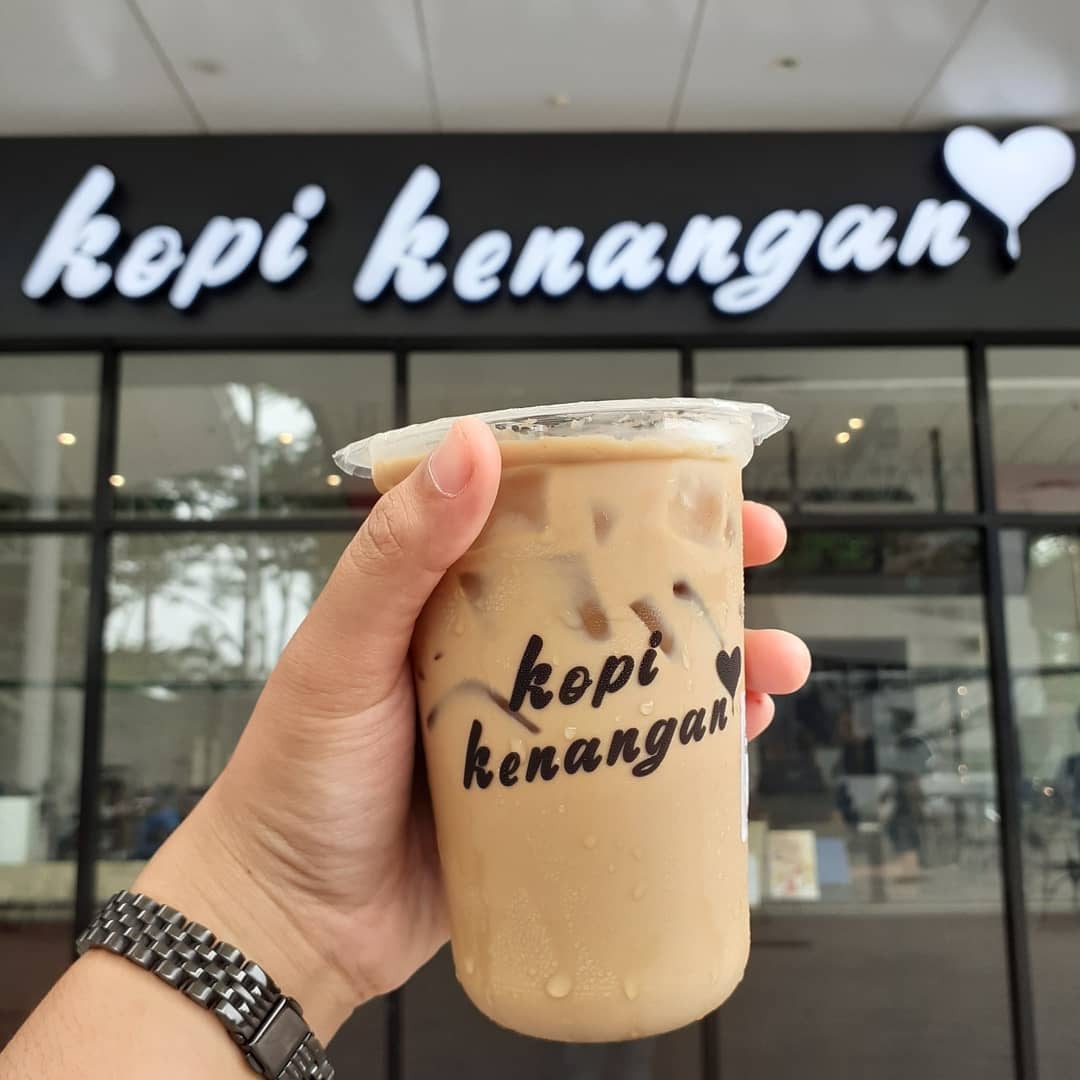
Image credit: Kopi Kenangan’s Facebook page.
Kopi Kenangan attributed the lower profit margin to its “rapid growth” and changes in the accounting treatment for lease and rentals. As a result of these changes, the company took a one-time expense of roughly US$500,000.
A company spokesperson adds that profit growth was also slow because the company was on a “rocket ship” in 2019, having opened more than one store a day during Q4.
From 16 stores in 2018, Kopi Kenangan grew its number of stores to 200 by the end of 2019. Valued at nearly US$500 million, the beverage retailer then nearly doubled its number of stores to 411 by the end of 2020; before Covid-19, the company had been aiming to open 500 stores by the end of the year.
As a result of its growth, Kopi Kenangan’s spending on raw materials, employee compensation, and store and office expenses all rose significantly to between 12x and 16x compared to those of 2018.
Tackling the pandemic
While Kopi Kenangan’s foot was clearly on the accelerator in 2019, Covid-19 forced it to make a big detour the following year.
After two years of operating in the black, the company says it is likely to slip into losses in 2020. “While we remain profitable at the store level all the way through 2020, we are humbled by the pandemic and do not expect to be [as productive],” the Kopi Kenangan spokesperson adds.
To mitigate the impact of the pandemic, the company had to think on its feet and change tact. Kopi Kenangan’s data showed that central business districts had minimum mobility and customers preferred to order food and beverages from stores nearer to their residences.
Hence “we opened stores in residential areas, and these stores have been overperforming, exceeding pre-Covid-19 revenues,” the spokesperson explains.
While opening stores in residential areas remains a short-term focus, the company also worked on improving employee productivity and online sales. Both measures have been successful, claims Kopi Kenangan.
Stay ahead in Asia’s tech landscape
This is premium content. Subscribe to read the full story.
But with 2020 marred by the Covid-19 pandemic, the company is bracing for a loss.
We know this is not ideal. ⌛ Sign up in 20 seconds. Cancel anytime.
Our subscriber community includes professionals from these companies:





Stay updated on the go with our mobile app.
Get latest insights with smoother, more personalized experience through TIA mobile app.