- Premium Content It takes our newsroom weeks - if not months - to investigate and produce stories for our premium content. You can’t find them anywhere else.
 Terence Lee · · 5 min read
It’s time we admit that great founders often don’t make great CEOs
Adam Neumann’s resignation as the CEO of WeWork marks the end of an era.
We’ll likely see a tempering of super-sized valuations. Founders will also be put on a tighter leash.
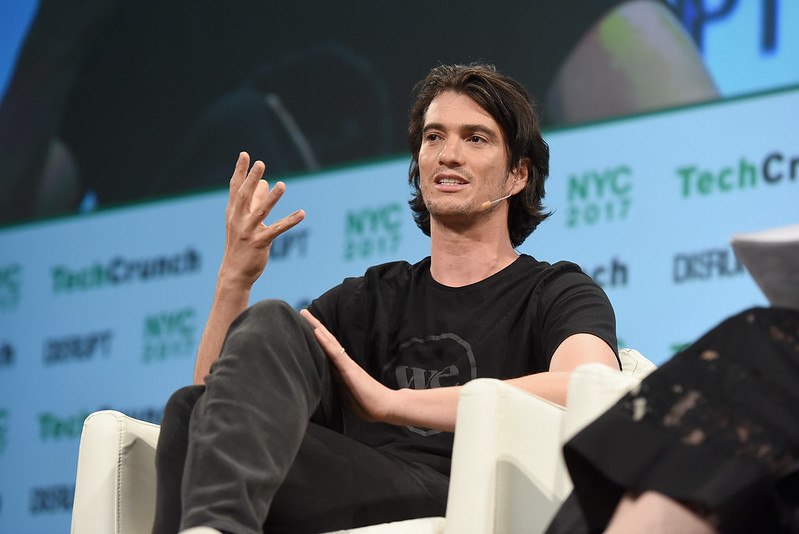
Adam Neumann of WeWork. Photo credit: TechCrunch
According to Bloomberg, Masayoshi Son, the man behind the SoftBank Vision Fund – which invested in WeWork, Uber, Grab, Oyo, and more – “told company leaders gathered at the five-star Langham resort they need to become profitable soon and stressed the importance of good governance […] Public investors aren’t going to tolerate gimmicks, like super-voting rights or complicated share structures, that privilege founders over other stakeholders, he said, adding they should get in shape years before they consider going public.”
Super-voting shares have been a point of contention among investors. Like a superpower, it’s become a favored tool for some founders to retain influence in their startups. Besides Neumann, Travis Kalanick of Uber and Mark Zuckerberg of Facebook have held such shares. So have the founders of Snap, Groupon, and Zynga.
While it’s debatable whether these super-shares have contributed to management woes, what’s clear is how founders often hurt their companies by overstaying their welcome, and how boards of directors often don’t assert their influence until the damage is done.
Perhaps SoftBank should’ve intervened in WeWork sooner. After all, Son presided over the rise of Chinese ecommerce behemoth Alibaba, which was fortunate to have a founder like Jack Ma who knew his shortcomings and attracted the right people to make up for them.
While Ma was undoubtedly the heart and soul of Alibaba, he brought in the likes of Joe Tsai and Savio Kwan to put structures in place to help the company grow to its present size.
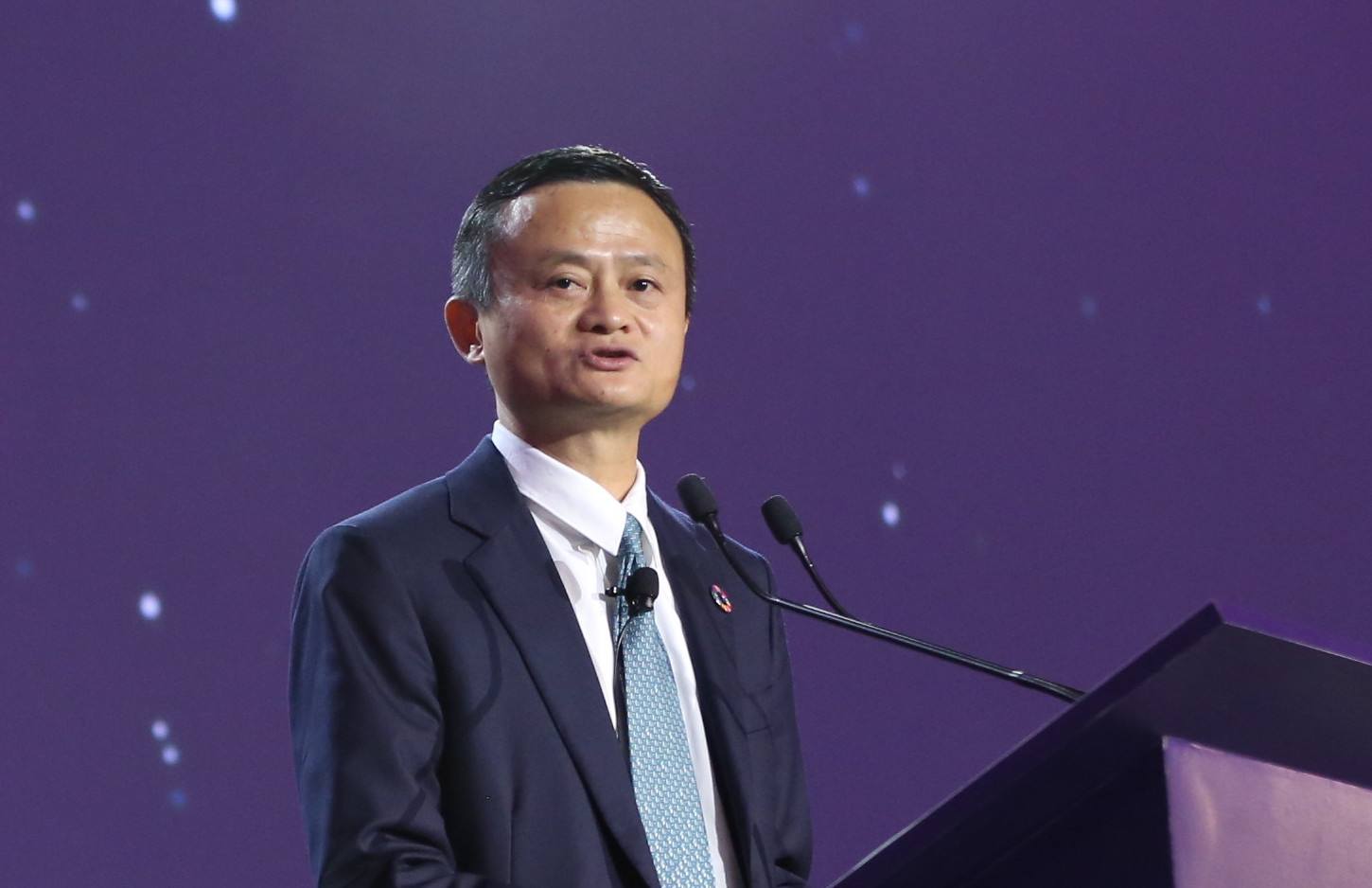
Jack Ma / Photo credit: Alibaba
The title of CEO is too simplistic. It applies to a person whether they’re leading a team of 10, 100, or 1,000, even though the job description changes dramatically as the company size increases. The nature of the role also evolves, depending on whether the business is in “peace” or “war” mode.
Startups that scale smoothly tend to have founders that are self-aware. Such entrepreneurs are more inclined to hire experienced CEO and managers to mitigate their weaknesses. They’re also more likely to seek out mentors who can guide them to become great chief executives.
Steve Jobs, as demanding and controlling as he was, knew he had to seek out a new CEO when Apple grew large. And even when he himself took on the role later on, he kept key people like Tim Cook and Jony Ive who made the company what it is today.
The list goes on. Larry Page and Sergey Brin of Google hired a new CEO in Eric Schmidt. He was the “adult in the room” who led the company to its initial public offering and beyond.
Growth on steroids
Stay ahead in Asia’s tech landscape
This is premium content. Subscribe to read the full story.
Unsuitable CEOs can hurt their companies by overstaying their welcome.
We know this is not ideal. ⌛ Sign up in 20 seconds. Cancel anytime.
Our subscriber community includes professionals from these companies:





Stay updated on the go with our mobile app.
Get latest insights with smoother, more personalized experience through TIA mobile app.