 Coco Feng · · 3 min read
JD’s healthcare unit takes second spot in new global unicorns at a $7b valuation
The healthcare subsidiary of ecommerce giant JD.com was ranked as the most valuable among 22 new unicorns that emerged in China last year and No. 2 worldwide, but what may be even more impressive is that it claims to be profitable in an industry that shows great promise but has yet to prove lucrative for most players.
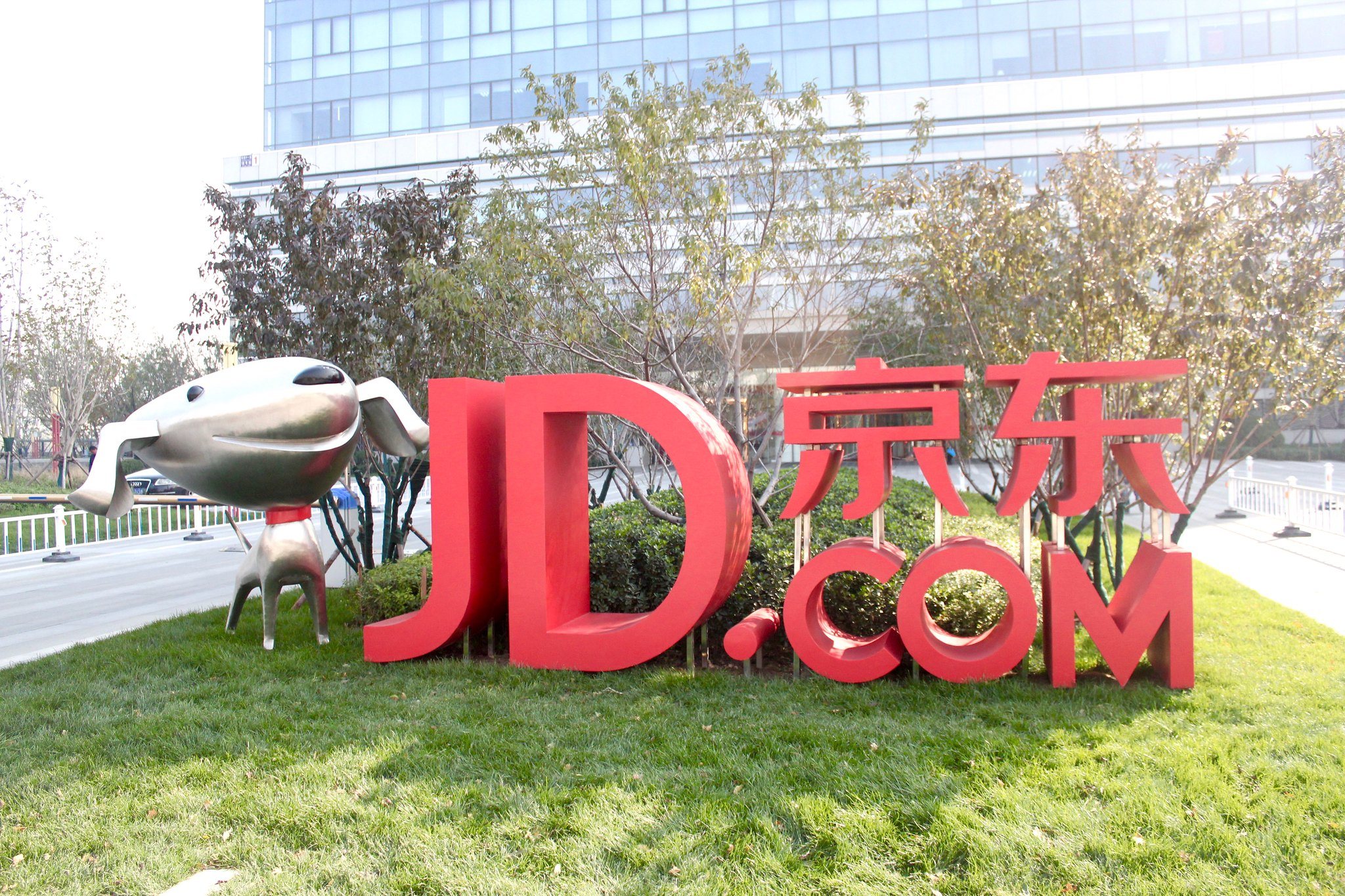
Photo credit: Daniel Cukier (CC 2.0)
Spun off from JD.com in May, JD Health completed its latest funding round of US$1 billion in November that valued the startup at roughly US$7 billion, joining the so-called unicorn club that includes private firms with valuations greater than US$1 billion.
Investors in the latest round included CPE China Fund and CICC Capital, with JD.com remaining the majority owner of the unit.
Among the 142 new unicorns that emerged worldwide last year – a list that excludes those that reached that level in previous years – JD Health ranked second only to Uber’s self-driving unit, Uber Advanced Technologies Group, with a valuation of US$7.3 billion, according to data from Crunchbase.
JD Health operates an ecommerce platform selling products such as vitamins, supplements, medical devices, and contact lenses, as well as offering services including health checks, beauty clinics, and gene testing in partnership with specialized institutions. The business also taps into the wholesale drugs market and web-based hospital services.
Deloitte forecast that China’s online pharmacy sector will be worth 400 billion yuan (US$57 billion) in 2020, spurred on by easing of regulation, improvements in logistics, and the trend towards consumers shopping online.
A policy introduced by China’s State Council in 2018 encouraged cooperation between internet companies and healthcare providers. The latest version of the Pharmaceutical Administration Law, which came into effect in December 2019, effectively gave the green light to online sales of prescription drugs, previously seen as a gray area.
Several big names have moved into the sector but have yet to turn a profit. Ping An Healthcare and Technology, a part of Chinese insurance giant Ping An Insurance, and Ali Health, a unit of ecommerce giant Alibaba, the owner of the Post, have both listed publicly in Hong Kong.
However, both operations are still in the red although their net losses have narrowed in recent months.
Separately, Nasdaq-listed 111 Inc, a spin-off from China’s first online grocery startup Yihaodian, saw its net loss for the first three quarters widen by 34.5% to US$47.8 million.
Xin Lijun, the chief executive of JD Health, told the Post in a written response that the company has been profitable because of factors that include JD.com’s ecommerce strength, its fully established supply chain, and its partnerships with drug makers and hospitals.
“If you want to expand vertically into the retail drug business, it has to be integrated with hospitals and the medical services they provide,” Xin said. JD Health is also exploring opportunities beyond the online pharmacy model by making its partner hospitals “smarter” with AI.
These efforts include using AI to advise patients of the most appropriate department to call for an appointment based on the symptoms they have. Xin said the accuracy rate of such AI advice is as high as 95%. JD Health will also deploy AI to help doctors more accurately prescribe medicine.





Stay updated on the go with our mobile app.
Get latest insights with smoother, more personalized experience through TIA mobile app.








📅 Upcoming Events
22 October 2026
Payoneer x CSPN Summit 2026