- Insights This article was written by a TIA community member. Insights pieces undergo the same rigorous editorial process that newsroom-produced articles have.
 Tim Romero · · 7 min read
Japan’s startups are finally dreaming big
This article is from an episode on Disrupting Japan. This is heavily revised from the original show transcript. For the full episode, go here.
In this episode, we’ll take a step back and take inventory of the Japanese startup ecosystem. We’ll take a look at what’s working and what’s still lacking. We’ll also look at the state of startup financing and innovation in Japan. Then, we’ll wrap up by talking about where exactly the second era of Japanese innovation will come from.
Startup financing in Japan
There is plenty of risk capital in Japan and, by all measures, the amount is increasing. Japanese venture firms raised more than US$2.5 billion in 2017, which is more than a 400 percent increase from 2012.
But numbers don’t tell the whole story. The biggest effect of this increased funding is that it has made founders a lot more confident and aggressive – and a lot less stressed.
Years ago, when I began asking founders why and how they started their companies, most had stories about how they had to convince their wives, parents, or even their wives’ parents to let them build a startup. Most founders had people begging them not to do it and some even lost friendships. And at the time when financing was hard and valuations were low, many founders had to scrimp and deprive themselves of basic necessities.
But these just don’t happen anymore. Newer founders rarely have a dramatic origin story as they tend to receive social support. Over the past decade, starting a company in Japan has gone from, “Am I really willing to bet my entire future on this?” to, “Hey, why not? What’s the downside?”
And that’s the way it should be.
When you are not worried about your next meal, pay, or a loan, you are going to dream bigger. You are far more likely to grow a billion-dollar company with this attitude.
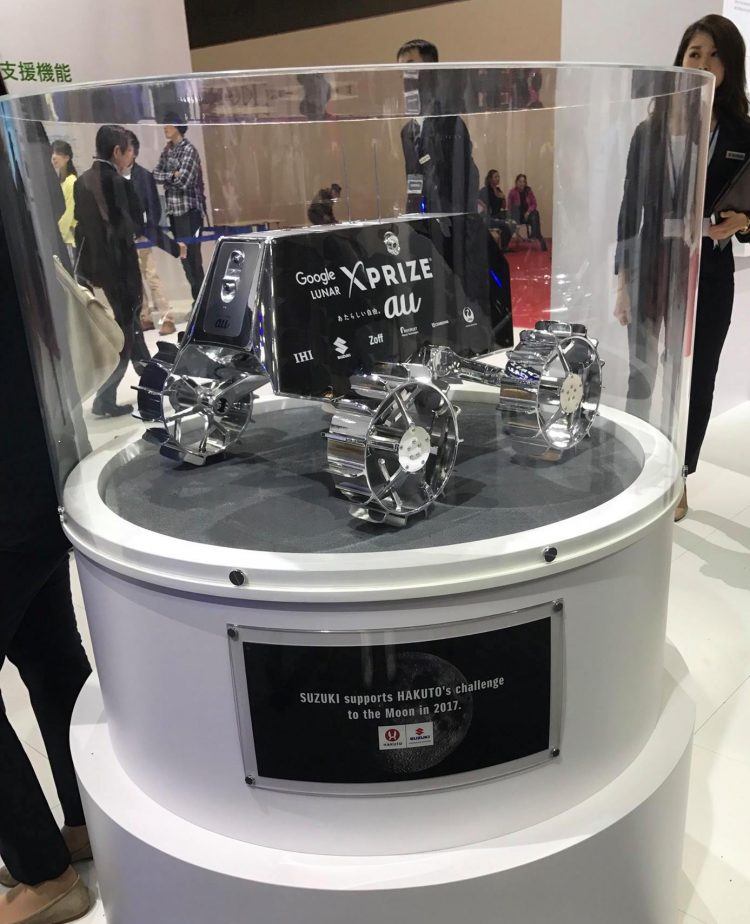
Photo credit: Ispace
This is exactly what we’re seeing in Japan. From dozens of newly minted founders who are explaining how they are going to disrupt their industry to the likes of iSpace, which raised over US$90 million to commercialize the moon, Japan’s startups are finally dreaming big.
On the venture capital side, however, while the progress has been impressive, the transformation is less complete. VCs everywhere in the world are basically skittish and risk-averse. We see the same dynamic in Japan, but it’s a bit more pronounced.
Japanese VCs are very willing to invest in standard startup business models with clear metrics. If you have a B2B SaaS startup or a mobile marketplace with promising metrics, you will get funded. If your idea is a little more innovative but you have a good pedigree, you’ll get funded. If you are more off the beaten path, well, you’ll have to work a lot harder and raise money at lower valuations.
There is another odd effect that is a result of both the herd nature of Japan’s VCs and the fact that there are still relatively few deals. When a startup becomes a “hot startup” – either because it has proven itself with rapidly growing revenues or because it has a great tech story – everyone wants in on the deal, and valuations get kind of crazy.
But this is hardly unique to Japan, and we have a long way to go before we are anywhere near nosebleed valuations we’ve seen for companies like Uber. Besides, 15 years ago, these companies would not get funded at all, or they would be funded at much lower valuations than they deserve.
Where are Japan’s unicorns?
Evocative machines





Stay updated on the go with our mobile app.
Get latest insights with smoother, more personalized experience through TIA mobile app.








📅 Upcoming Events
22 October 2026
Payoneer x CSPN Summit 2026