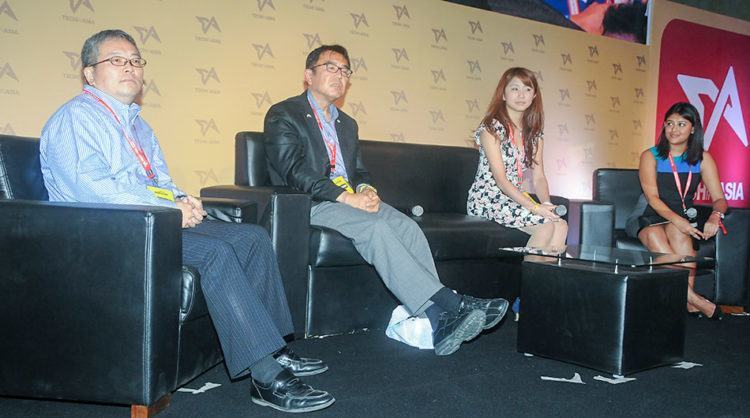
Left to right: Hiro Mashita of M&S Partners, Masayoshi Tamura of Hitachi India, Yoshiko Tsuwaki of the Japanese Ministry of Economy, Trade, and Industry, and moderator Nivedita Bhattacharjee of Tech in Asia.
Love, love me do. You know I love you, confessed Japan on stage today at Tech in Asia Bangalore 2016. Japan is the yin to India’s yang. A match made in heaven sealed by the meeting of the prime ministers last December. The countries have a lot to learn from each other – and it’s not just size that matters.
Big, BIg, BIG
Okay it matters a little bit, but it’s not always the size of the boat, it’s the motion of the ocean, and the Indian Ocean is a-rocking.
India’s economy is growing at almost the exact same pace as China’s ten years ago and poised to take over Japan’s in another ten years. US$9 billion was invested into Indian startups last year. That’s half of the total amount invested the previous five years combined.
“If you are looking for something, you can find it in India,” says Masayoshi Tamura, managing director for Hitachi India. “Otherwise it doesn’t exist.”
The funding is here and the talent is here. Hiro Mashita, an angel investor, is excited about the number of engineers and hardworking individuals in India. The aggressive work style helps him keep his own pace up. “I like to struggle together with the entrepreneurs to make a bigger ecosystem. That’s my hobby. I like to get involved in the early stage.”
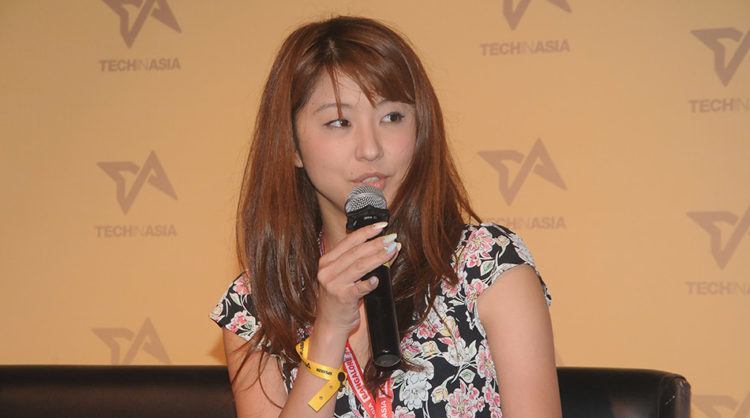
Yoshiko Tsuwaki.
“Of course the size is great but in my opinion the technology that emerges is totally different from people in Silicon Valley and other places,” comments Yoshiko Tsuwaki, deputy director for Japan’s Minister of Economy, Trade, and Industry.
Win-win
“Oh my god, India is here!” reflected Hiro when he came to Bangalore in September 2013. Since last year, Hiro has invested in 30 startups, five of which have already completed another round of financing. He sees a lot of ways that Japan and India can work together.
Masayoshi agrees, “Japanese industry and society is optimized for quality. India is good at agility and speed.” He cites the true secret to Indian success as jugaad – or frugal innovation. The ability for startups or people to concentrate on the problem and create simple workarounds or fixes is a huge strength and something Japan is not good at, according to Masayoshi.
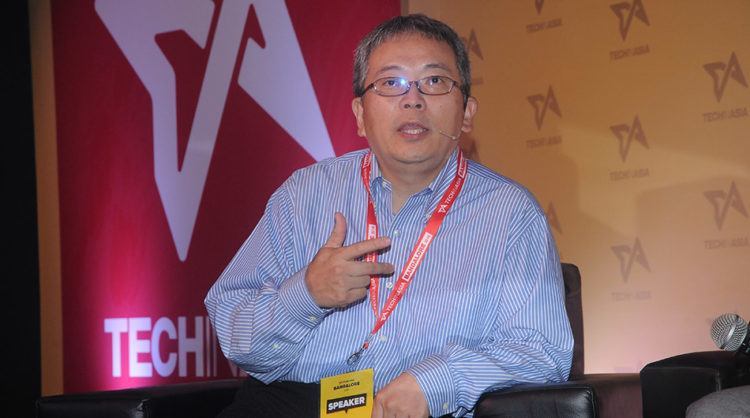
Hiro Mashita.
Hiro believes Indian startups are better at moving on the ground compared to Japanese companies, which tend to be reliant on large marketing budgets. “Indians are good at solving problems and getting users,” he added after the session.“They know exactly what they have to do at each stage and it’s just working through that.”
Hiro sees inefficient operations as a huge investment opportunity as it’s a chance for him to share his experience in mobile services and investment banking.
At-ti-tude
“At events in Tokyo people are just sitting back in their chairs, not asking questions,” scoffed Hiro backstage. “Here in India, I love it. Everyone has a desire to learn, they are listening attentively and asking tons of questions.”
People are working hard around the clock. “If I send an email on Sunday, I get a response within a few hours on Sunday.” Startups in India can move faster because they can learn from the mistakes of more developed markets and have crazy hustle.
While Masayoshi and Yoshiko do not currently see Japan and India working together much on the national level, they are looking forward to a long and fruitful future.
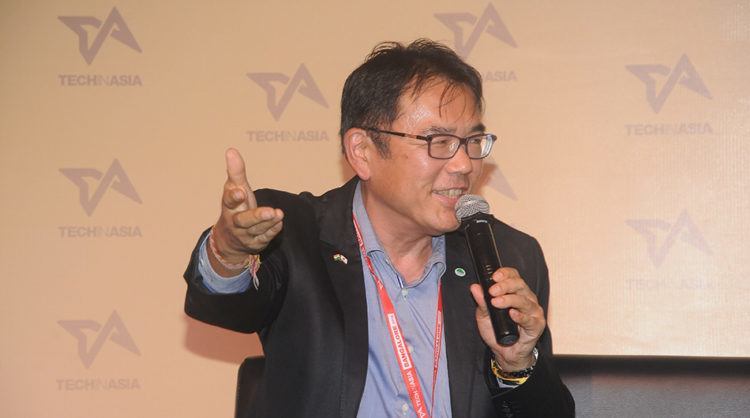
Masayoshi Tamura.
“Anything can happen in India. India is already ahead of Japan in many spaces,” says Masayoshi. He likes the country’s work ethic but points out a “we do anything” type of attitude might not fly as well in Japan.
To foster greater cooperation he pleaded to the audience, “Please understand your strengths and please educate Japanese leaders.”
Stay updated on the go with our mobile app.
Get latest insights with smoother, more personalized experience through TIA mobile app.
Recommended reads
 Indonesian AI startup goes global
 Forrest Li on scaling Sea, building smarter bots, and founder grit
 An AI assistant that joins sales calls and scores team skills
 Beyond the check: Why VCs need more than capital
 SGX’s CEO says it doesn’t need a unicorn to win
 SMEs want AI too, but not the kind Big Tech is selling
 Oatside’s alt-milk rise hits a profitable gear
 Alibaba’s financial health in 12 charts
 Asia’s telcos bundle AI into mobile plans. Will it pay off?
 M-Daq chases bigger clients as revenue falls, losses grow





Editing by Steven Millward
(And yes, we’re serious about ethics and transparency. More information here.)