C. Custer · · 2 min read
China’s government wants to approve every single song before it goes online
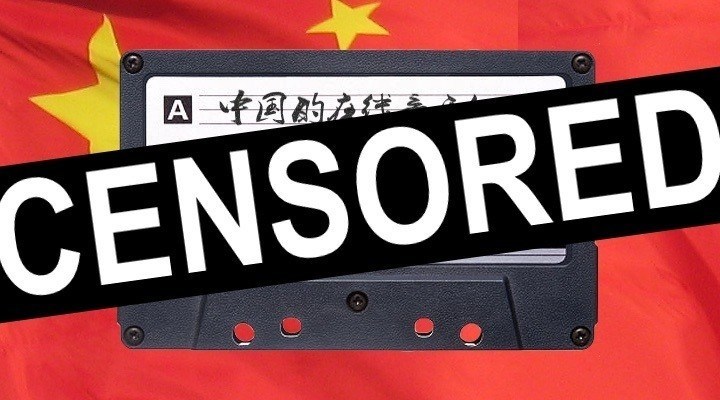
If you’re looking to download a cool song from a Chinese site, you might want to do it fast. Next year, it might not be there.
On Monday, China’s Ministry of Culture (MoC) released its latest missive, which lays out its plans for the online music industry in 2016. According to the document, all Chinese companies operating any sort of internet music or streaming platform will be required to set up internal censorship departments. These departments will have to approve all songs before they’re posted online, in strict accordance with the Ministry’s guidelines for permissible song content. Censors will also have to create and maintain a “warning” list and a blacklist for content creators and uploaders whose songs repeatedly fail to pass inspection.
Companies will be required to undertake all the expenses of this process themselves, including training and employing their internal censorship teams. Any company or department that fails to or misses something important will be subject to prosecution under the law. Social media companies like Sina Weibo will be quite familiar with this, as a similar system of mandatory internal censorship has existed in China’s social media sector for some time.
It’s not clear exactly what the Ministry of Culture’s standards for acceptable music content will be, but there’s little reason to be optimistic. The MoC has a reputation for being pretty draconian. It was the Ministry, for example, that banned all video game consoles in China for a decade. In the music industry, the MoC also has a checkered past: five years ago it took a swing at the online music industry by demanding all websites delete a bunch of pop songs, including songs by the Backstreet Boys and Lady Gaga just because the Ministry hadn’t previously whitelisted them. And it has been working to restrict things like live performances in China for years.
How will this be enforced?
How effective any of this will be is an open question. The Ministry’s decade-long console ban was very poorly enforced, as have been most of its bans on video games. But online games have been easier for the Ministry to restrict because they typically require China-based servers, and the MoC might similarly find that it has an easier time genuinely restricting online music than it has policing the offline music.
The services most affected by this are likely to be Alibaba subsidiary Xiami and Baidu’s music streaming platform. Tech in Asia has contacted Baidu and Alibaba for comment on this story and will update it if we hear back.
China’s tech industry watchers certainly don’t seem happy about the news. A Sina Tech article on the new regulation has already attracted hundreds of comments. The most popular among them theorizes that “the underground music scene will rise again.” The second-most-popular simply reads: “I want to cry.”
Does this news make you want to cry, too?





Stay updated on the go with our mobile app.
Get latest insights with smoother, more personalized experience through TIA mobile app.