- Premium Content It takes our newsroom weeks - if not months - to investigate and produce stories for our premium content. You can’t find them anywhere else.
 Simon Huang · · 5 min read
As investors flee Myanmar, some startups see an opportunity
A military coup that roused shock and horror. A nationwide strike that has brought cities to a standstill. Hundreds of protestors killed, with parts of Yangon being compared to a war zone.
Amid Myanmar’s humanitarian crisis, businesses have come to a temporary halt.
The damage to the economy, however, may last a generation, with investors in the startup community planning to stay away from the country for the foreseeable future.
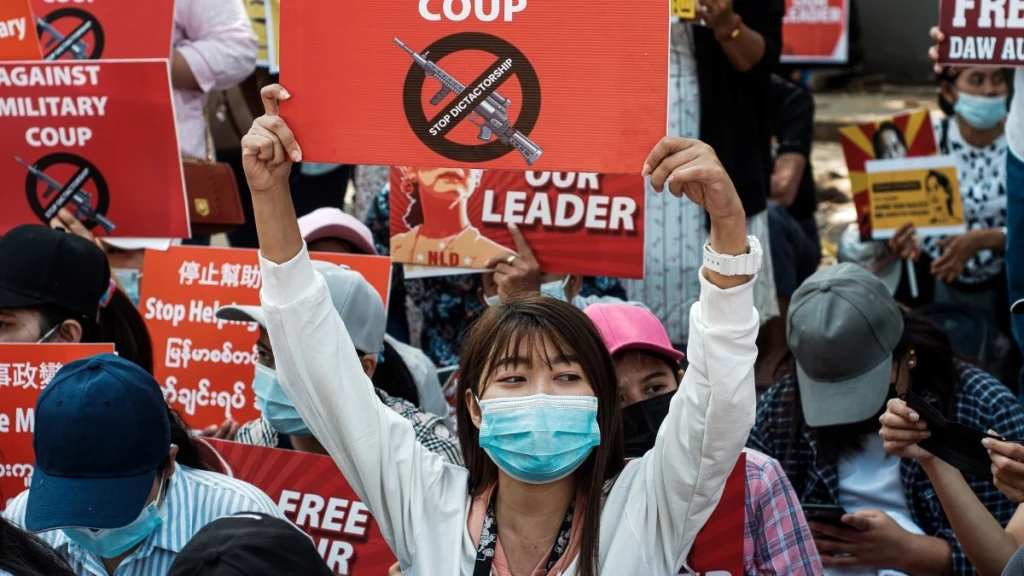
Photo credit: Wikimedia
Some entrepreneurs, though, have privately expressed that they see this as an opportunity to dominate the market post-coup.
In this story, Tech in Asia takes a closer look at the challenges that startups and businesses currently face in Myanmar and considers the implications for the country’s tech scene going forward.
99 problems
Most startup founders and CEOs that Tech in Asia had reached out to declined to be interviewed even anonymously, out of fear that they might get on the wrong side of the military.
Furthermore, they are facing myriad issues in a very challenging environment.
First, the country’s basic infrastructure, which is taken for granted anywhere else, has broken down. Access to the internet is frequently turned off at random, sometimes for hours, making business operations especially difficult for technology startups.
Even when the internet is available, access to Facebook has been blocked. This is particularly troublesome in a country like Myanmar, where many small businesses are completely reliant on the social media platform to communicate and transact with customers.
Banking has also ground to a halt, making it difficult – if not impossible – to give or receive payments from employees, customers, and suppliers.
The CEO and founder of two tech startups tells Tech in Asia that there are currently “no international transfer [services], no money changers, and ATMs are empty most times.”
Second, startups also face many challenges on the people front.
The safety of their employees is on top of every founder’s mind. Seed investor Michael Blakey of Singapore’s Cocoon Capital shares that this is “the main concern” of his fund and its limited partners. “The only issue they have raised is whether all the employees and founders are safe and are taking every precaution they can to ensure nobody is hurt, and that if they need to get out of there, they can.”
Investment freeze, brain drain
The contrarian’s case
Stay ahead in Asia’s tech landscape
This is premium content. Subscribe to read the full story.
“At some point, things would have to move,” says an investor. “People need to be fed.”
We know this is not ideal. ⌛ Sign up in 20 seconds. Cancel anytime.
Our subscriber community includes professionals from these companies:





Stay updated on the go with our mobile app.
Get latest insights with smoother, more personalized experience through TIA mobile app.