Terence Lee · · 10 min read
Silicon Valley’s major weakness: it can’t handle politics in Asia
There’s the trope of the American cowboy doing business in Asia. Rude, obnoxious, and loud, the know-it-all bulldozes his opinion over others and offends everybody. Like all stereotypes, it’s an exaggeration. But there’s a shade of truth in this.
Many companies have been burned for not appreciating the nuances of doing business in Asia. Running a startup or expanding your internet company to the region can carry massive political risks. There is no singular and united Asia. Cultures differ, and inter-country political rivalries dwarf the ugliest family squabbles.
Governments play an outsized, often meddlesome role in Asia’s economy, from corrupt bureaucrats in emerging markets to protectionist government officials and even Singapore’s unique state-dominated capitalism. Economic policies are as much a result of pragmatic calculation as state ideology.
Each country presents its own unique blend of politics, making the hiring of local experts especially crucial for Asian expansion. For some tech companies making a big push into the region, that’s millions spent on lobbyists, consultants, lawyers, policy experts, and maybe even bribes for each of the big markets in Asia.
Google: the cowboy who got incinerated
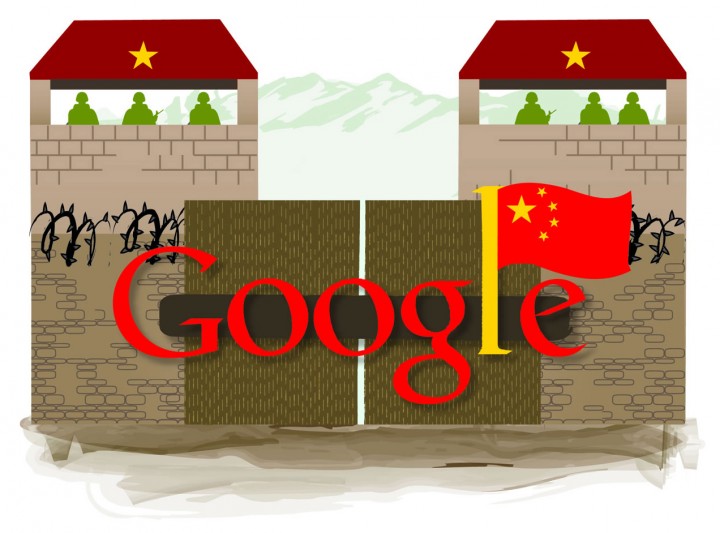
Perhaps the biggest cowboy of them all is Google. In the book In The Plex, author Steven Levy narrates Google’s perilous journey in its expansion into China and how it crashed and burned under the weight of cultural differences and the Great Firewall.
Google sought to find a perfect blend of pragmatism and its idealistic “don’t be evil” mantra. It agreed to censor search results through algorithms, yet at the same time inform users whenever this occurs. It hoped this gesture will spark a desire in users for uncensored search. Sure, most Chinese users didn’t see the big fuss over censorship. But Google saw itself as an educator out to free the Chinese from an authoritarian regime.
While Robin Li, founder of leading search rival Baidu, was equally disturbed by the government’s censorship requests at first, he arrived at a different philosophy: “It’s not an issue to me. It’s just Chinese law. I’m not in politics. I’m not in a position to judge what’s right and wrong.”
As dominant a search company as Google is, it was in a country playing by rules that handicapped foreign players. China’s domestic policies are equal parts foreign policy: give Chinese companies an upper hand in the vast local market, and that acts as a springboard to global domination. It’s essentially hacking the open global economy: sure, the US can put sanctions on Chinese companies expanding stateside, but its actions are limited by its adherence to an open economy and a democratic system of checks and balances. Autocracy gives China the ability to act swiftly and with a firmer hand.
Google, therefore, was hamstrung by state policies which harmed its competitiveness:
- It needed a license to operate in China, and the license was revoked due to violations of government orders.
- It had to devote energy and resources to deal with censorship requests from the Ministry of Information and maintain government relations.
- It had to deal with a Baidu-government-media alliance that was determined to keep Google at best as a number two competitor, through means like misinformation campaigns, media shaming, internet throttling, government-instigated hacking, and increasingly tough censorship demands.
These incidents led to a mistrust between Google headquarters and the Google China office. Management feared that employees could steal production code upon request of the Chinese government, but lack of access to code made Google China engineers feel like second-class citizens. Morale was affected.
Things went downhill when Google was hacked. Code was stolen and Gmail accounts belonging to China’s human rights activists were compromised. The Google brain trust deemed its China strategy unsustainable. Censorship was no longer an option, and Google, formerly the number two player, effectively bowed out of the game.
Evernote: a friendly elephant on a tightrope
Don’t expect an easy ride in the rest of Asia
Working politics in your favor





Stay updated on the go with our mobile app.
Get latest insights with smoother, more personalized experience through TIA mobile app.