 Malavika Velayanikal · · 6 min read
The Lightbox way: why the Indian VC wants to invest $100M in fewer than 10 startups

One thing Sid Talwar does better today than he did yesterday is his homework. He never goes into a pitch blind, ensuring he’s read the material the entrepreneur has sent and researched the industry. Otherwise, “there is no way that you can give input to someone who has been studying something long enough to come and give you a pitch,” says this Lightbox VC partner. “You cannot expect to watch a pitch for 20 minutes and know how to respond to these guys. That is not fair, and what a waste!”
Talwar admits he was guilty of this himself when he started out as a VC. “It was just meeting people after people. But not today. I will not meet you unless I have gone through your deck at least and made notes. The majority of the time, I would have done more homework than you sent me, so that we can actually have an intelligent conversation,” he tells Tech in Asia over coffee during a visit to Bangalore.
This long form approach, if you like, ties in with the Lightbox way.
Raising the ante
It’s a VC firm of techies and entrepreneurs, based in India and the US, who want to get deeply involved with the startups they invest in. Unlike many other VCs who like to spread their investments around, keeping in mind the high failure rate of startups, Lightbox wants to be super picky and invest in very few companies.
After launching last year, it backed six startups from its first fund, then raised a second fund of nearly US$100 million three months ago. Talwar says Lightbox Venture II, as the second fund is called, will add only eight or nine companies to the portfolio.
What this investment philosophy does is to up the ante. “If I am going to invest in many, many companies, one company losing steam may not be the end of the world. But for us, it is not so,” explains Talwar. “We are so concentrated that we do not have the liberty of looking at a company and saying it is fine if it loses steam.”
This entrepreneurial mindset stems from the bunch of partners at Lightbox. Sid Talwar founded vocational training company Evolv and sold it to NIIT, Sandeep Murthy was a GP in Sherpalo Ventures before it chose to exit India, Jeremy Wenokur sold his first company to Netscape in another era, Sunny Rao sold Half.com to eBay in 2001, and so on.
“When we invest in a startup, we are investing as much in ourselves as we are investing in the entrepreneur. We are betting that together with the entrepreneur, we are going to make this work. We will go to the ends of the earth to make this company work,” says Talwar.
Which is why he has to spend long hours on homework before deciding whether to invest in a company. “We probably spend more time looking at a company than most other funds globally,” he admits.
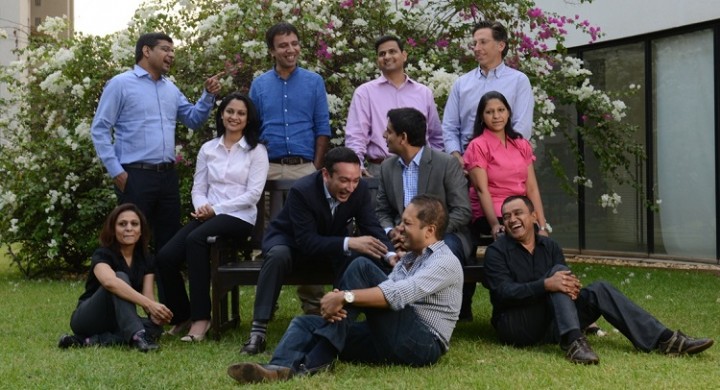
The Lightbox team
Studying the vast market in India





Stay updated on the go with our mobile app.
Get latest insights with smoother, more personalized experience through TIA mobile app.












📅 Upcoming Events
22 October 2026
Payoneer x CSPN Summit 2026