- Premium Content It takes our newsroom weeks - if not months - to investigate and produce stories for our premium content. You can’t find them anywhere else.
 Steven Millward · · 5 min read
Drones get down to work
By 2020, the market for drones will be worth US$100 billion, says a Goldman Sachs report. When you take away the US$70 billion for military drones and US$17 billion for consumer gizmos, that leaves a still considerable US$13 billion market opportunity for commercial drones.
That means hard-working drones put to use on farms, forests, building sites, oil pipelines, movie sets, open-cast mines, and dozens of other scenarios.
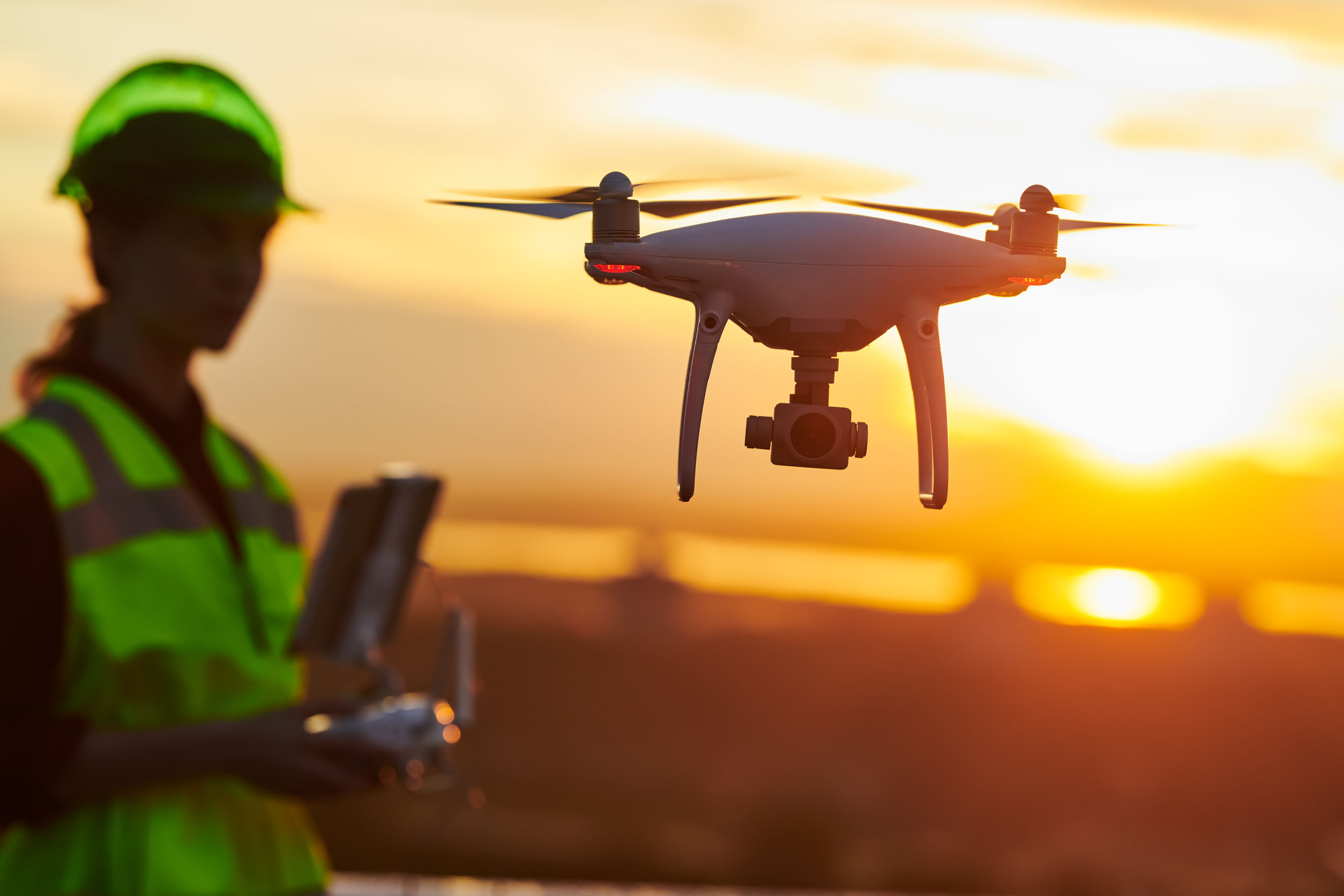
Photo credit: 123RF
Toru Tokushige saw this trend coming when he started Terra Drone in 2016. Wanting to create a business that combined web-connected gadgets with artificial intelligence, the Japan-based entrepreneur landed on the idea of commercial drones.
“While the hardware side of things already had several players competing with each other when Terra Drone was established, the software and service sectors still had a huge gap waiting to be filled,” Tokushige tells Tech in Asia.
That’s why his venture focuses on the software side, with systems designed for flight planning, synchronized flying, aerial LIDAR scanning, mapping, inspecting, and visualizing.
It’s up against other drone software startups such as Skyward and AirMap. But it’s not all soaring confidence in this niche, with last year’s shock shutdown of Airware – after raising US$118 million from investors – showing the risk of a startup getting ahead of market demand.
Sky eye
Terra was designed to be global from day one, and now counts Japan, Indonesia, India, and Australia as its top markets. It expanded into Europe late last year with the acquisition of Dutch firm Skeye for an undisclosed sum.
In Japan and Indonesia, Terra’s services are used mainly in the construction industry. In India, it’s mostly for mapping and visualizing.

Toru Tokushige / Photo credit: DAVOS Tokyo
“Across Asia, we are witnessing good demand from sectors like oil and gas, electricity, mining, and energy,” adds a company spokesperson.
Now with 500 staffers across 20 offices around the world, Terra is profitable from its in-the-field drone services and software, though the startup won’t disclose revenue figures and customer numbers. It charges per project, with the option for clients to buy hardware from partners – such as drones, LIDAR, and various sensors.
The startup has not raised funding, but Tokushige might do so in future to support its ongoing expansion.
Disaster deployment
Stay ahead in Asia’s tech landscape
This is premium content. Subscribe to read the full story.
Here’s how one startup has turned industrial drones into big business.
We know this is not ideal. ⌛ Sign up in 20 seconds. Cancel anytime.
Our subscriber community includes professionals from these companies:





Stay updated on the go with our mobile app.
Get latest insights with smoother, more personalized experience through TIA mobile app.








📅 Upcoming Events
22 October 2026
Payoneer x CSPN Summit 2026