- Premium Content It takes our newsroom weeks - if not months - to investigate and produce stories for our premium content. You can’t find them anywhere else.
 Gabriel Budi Sutrisno · · 6 min read
Indonesia’s Robinhoods face biggest test as market slows: retaining users
As pressures from the pandemic let up and the rules around gatherings ease in Indonesia, many citizens have begun socializing again. As a result, retail investments are now taking a back seat.
Devina Yo, a user of mutual fund investment platform Bareksa, says she has reduced how much she invests due to her increased expenditure at malls or restaurants.
“I also make a conscious decision to go to concerts and travel because these two years have made me realize that opportunities for fun and exploration can easily be lost,” the Jakarta-based media executive says.
Similarly, 25-year-old Mario Viegash, a user of stock and mutual fund investment app Ajaib, says he now invests 50% of his salary compared to 70% at the beginning of the pandemic. He spends more money on transport and eating out these days.
These experiences are representative of many millennial and Gen Z users who picked up active trading during the pandemic and collectively fuelled the rise of investment apps like Ajaib, Bibit, and Pluang, which have raised a combined US$528 million in capital since 2021.
But the shift in investing patterns due to the reopening of the economy in recent months, if sustained, could slow the breakneck growth that these platforms have achieved in the past two years.
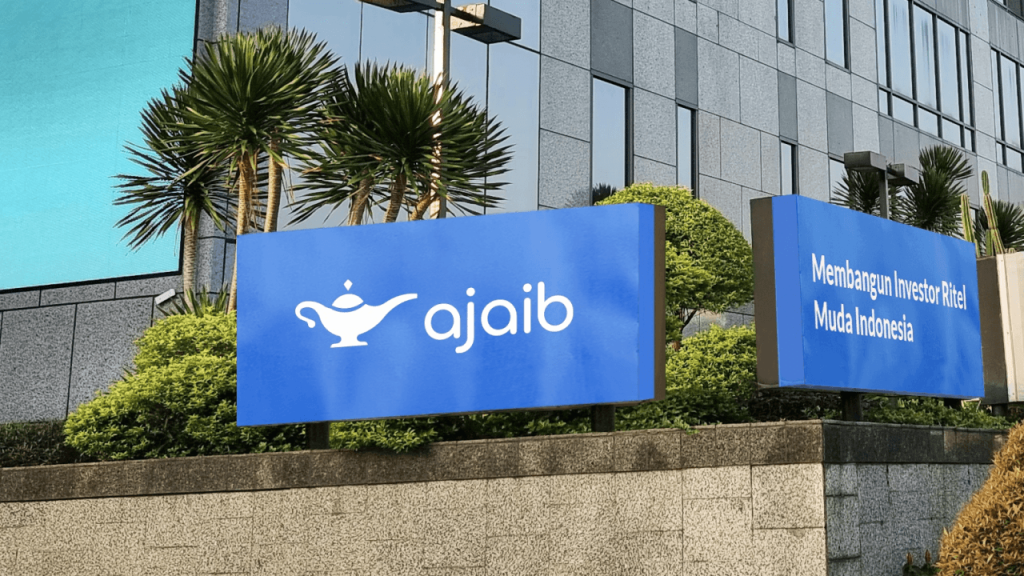
Photo credit: Ajaib
The recent global stock market and crypto slowdown could further affect the demand and usage of various investment services. In the US, trading platform Robinhood went through painful layoffs before it reported a fall in revenue and decline in active users in the first quarter of 2022. This came after two years of hypergrowth at the firm.
The dent in retail confidence could impact brokerages which “survive on market volumes and market confidence,” both of which are expected to decline in the short term, says Angus Mackintosh, founder of CrossASEAN Research.
That said, Indonesia’s investment players, including Ajaib that leads the local market in terms of VC funding, have their own plans. For one, they are counting on demand from underserved, first-time retail investors and new crypto offerings to keep their users engaged.
Targeting first-time investors
While Indonesia-based investment platforms rode the same hype that led to Robinhood’s rise, they have different value propositions, notes Adrian Li, founder and managing partner at AC Ventures.
Robinhood offers retail investors more efficient ways of trading, such as by reducing fees per transaction. In contrast, its counterparts in Southeast Asia – or Indonesia in particular – give access to those new to investing at a time when people are “getting wealthier and have more money to set aside from day-to-day consumption,” Li tells Tech in Asia.
In the US, over 50% of adults are stock investors, while investment penetration in Indonesia sits “barely at 5%,” he notes.
Crypto at the center of diversification
Stay ahead in Asia’s tech landscape
This is premium content. Subscribe to read the full story.
Onboarding first-time retail investors and diversifying their products could be the answer.
We know this is not ideal. ⌛ Sign up in 20 seconds. Cancel anytime.
Our subscriber community includes professionals from these companies:





Stay updated on the go with our mobile app.
Get latest insights with smoother, more personalized experience through TIA mobile app.










📅 Upcoming Events
22 October 2026
Payoneer x CSPN Summit 2026