Doris Yu · · 4 min read
Lazada co-founder’s advice to entrepreneurs: Try not to crack Indonesia first
Indonesia is the largest market in Southeast Asia with a population of around 270 million people, and it’s also widely regarded as an important and competitive market. However, “as an entrepreneur, the first thing I would do is probably not to try to crack Indonesia – at least not right now,” Lazada Group co-founder and chief strategy officer Magnus Ekbom said at this year’s Tech in Asia Conference.
Rather, he said founders could consider other markets across the region, including the Philippines, Thailand, Malaysia, and Vietnam.

Lazada Group’s co-founder and chief strategy officer Magnus Ekbom
Having had years of experience working in the cross-border business, Ekbom also suggested that companies “don’t go cross border” until they are ready to do so.
Except for some business models which aim to serve global clients, he explained that operating across different countries will add a level of complexity to a business and noted that companies should instead make sure that they get one market right before they move to the next one.
Meanwhile, the co-founder emphasized that entrepreneurs should be continuously curious about every market within the region due to its unique diversity.
Localization
With the increasing rate of urbanization, the rise of the middle class, as well as a massive 650 million population, Southeast Asia is a potential market for Chinese entrepreneurs. But differences in taste and culture mean that it’s not all that simple.
Companies cannot “capture the essence of a market” if it simply takes a business model from China to Southeast Asia without understanding how it is relevant for the consumers that they’re trying to serve, said Ekbom.
The one very clear takeaway that the co-founder got from his colleagues in China is that there is nothing more important than a very localized strategy.
Alibaba, for instance, acquired Lazada in 2016 for US$1 billion to help it further expand across the region. Singapore-based Lazada operates in markets like Indonesia, Malaysia, the Philippines, Thailand, and Vietnam.
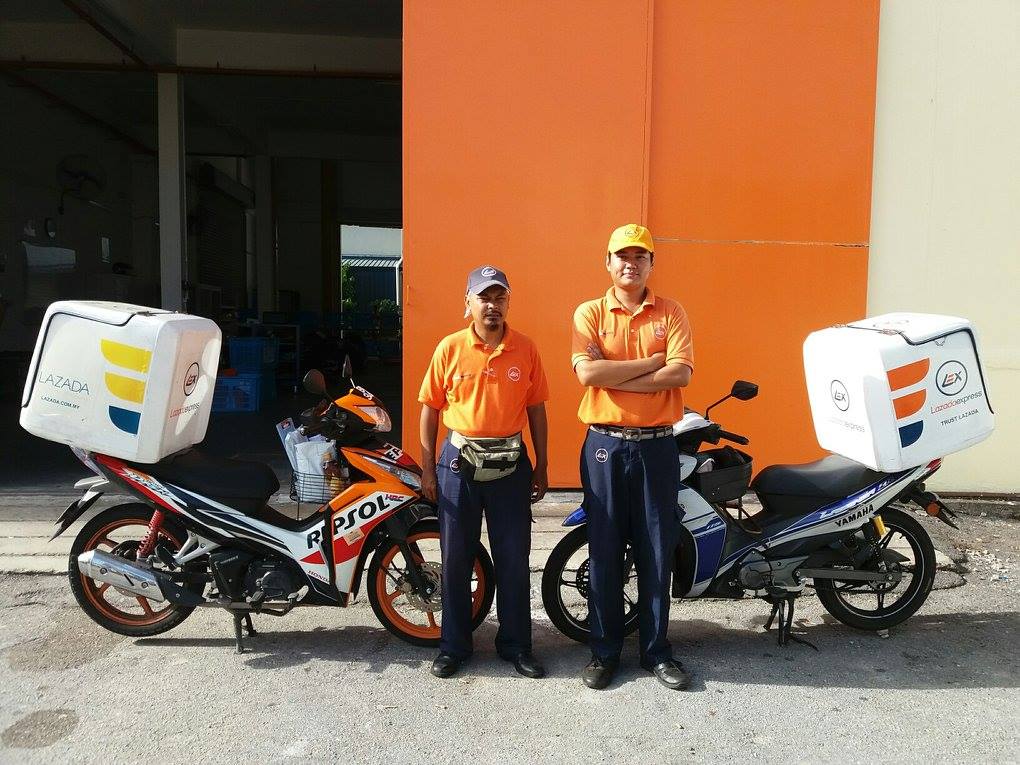
Photo credit: Lazada
With the acquisition, Alibaba gained access to the platform’s consumer base and management team, while Lazada was able to leverage the Chinese tech giant’s know-how and technology to improve its services and products.
“[Southeast Asia] is a place where companies should be built and not [be] just a target market for other companies to come into,” Ekbom said, pointing to the region’s diversity. “Money [being invested] is always good, but Southeast Asia should and also needs to build its own versions of what our consumers, SMEs [small and medium-sized enterprises], and brands are looking for,” he added.
Chinese investment





Stay updated on the go with our mobile app.
Get latest insights with smoother, more personalized experience through TIA mobile app.