- Premium Content It takes our newsroom weeks - if not months - to investigate and produce stories for our premium content. You can’t find them anywhere else.
 Glenn Kaonang · · 6 min read
Behind the Gojek-Gogoro breakup in Indonesia’s EV push
Gogoro, the Taiwanese electric scooter and battery-swapping giant, has been grappling with some problems recently.
On September 13, Gogoro co-founder Horace Luke stepped down as chairman and CEO of the company amid subsidy fraud allegations.
Gogoro is currently under investigation, and it’s unclear how this would affect its ongoing plans to expand internationally. The company just secured funding deals worth US$100 million from its largest shareholder, Gold Sino, and oil company Castrol in June to accelerate its expansion efforts.
What’s clear is that its plans likely won’t include the third-largest two-wheeler (2W) market in the world: Indonesia.
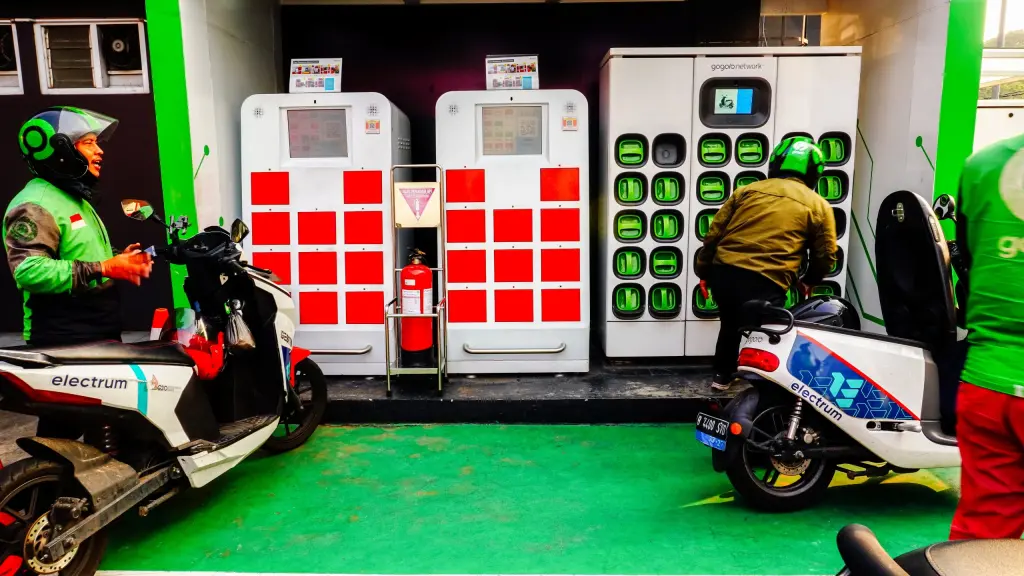
Gojek drivers at a Gogoro battery-swapping station / Photo credit: Yeni Maryani – Shutterstock
People with knowledge on the matter confirmed this with Tech in Asia, attributing the move to Indonesia’s relatively low gas prices and weak EV incentives.
This comes two years after Luke announced that the company aimed to propel the growth of EVs in Indonesia. In January 2022, it set up a partnership for EV battery manufacturing with Foxconn, Indonesia Battery Corporation, and Indika Energy.
However, there are other reasons why Gogoro hit the brakes on Southeast Asia’s largest 2W market.
Failed Gojek partnership
Gogoro sealed a partnership deal with Gojek in late 2021 to build a 2W EV ecosystem in Indonesia. GoTo Group even invested in Gogoro in September 2021 via a private investment in public equity financing linked to the EV company’s merger with Poema Global Holdings Corp.
But the collaboration fizzled out, and Gojek decided to take a different route through Electrum, its joint venture with local energy company TBS.
While Gogoro was supportive in smoothing out operational issues that emerged during the Gojek-Gogoro pilot, it quickly “became apparent” that the EV company “wasn’t interested in doing a joint venture,” Patrick Adhiatmadja, managing director at Electrum, tells Tech in Asia.
“If Gogoro really wanted to enter Indonesia through a joint venture, I think they would do leaps and bounds to accomplish that,” he adds.
Gogoro declined to comment on the matter when approached by Tech in Asia.
Fuel subsidies to blame?
Stay ahead in Asia’s tech landscape
This is premium content. Subscribe to read the full story.
The deal fell through, and Gojek pursued a different path through Electrum, its joint venture with energy company TBS.
We know this is not ideal. ⌛ Sign up in 20 seconds. Cancel anytime.
Our subscriber community includes professionals from these companies:





Stay updated on the go with our mobile app.
Get latest insights with smoother, more personalized experience through TIA mobile app.











📅 Upcoming Events
22 October 2026
Payoneer x CSPN Summit 2026