
William Tanuwijaya, CEO of Tokopedia.
Tokopedia surprised everyone yesterday when it set the record for the largest round of funding in Indonesian startup history. Moments after the news broke of the US$100 million investment from SoftBank and Sequoia Capital, Jakarta’s social media lit up with questions and comments as Tokopedia came under the spotlight.
But this big news leaves a lot of room for speculation. There are two questions that the Indonesian tech scene is sure to be asking itself right now. First, does this mean Indonesia’s internet market will see growth comparable to those of China or India? Second, do SoftBank and Sequoia aim to replicate the story of Alibaba with Tokopedia? If so, here are some points to consider.
The company’s business model will likely diversify
At the moment, Tokopedia’s business model is only consumer-to-consumer (C2C), which means it’s a marketplace made up of ordinary people selling stuff. This is the same model as Alibaba’s Taobao, which beat Ebay in China and went on to become China’s top ecommerce site. But several years later, Alibaba diversified to business-to-consumer (B2C) sales, providing medium-sized business and major brands a place to open a virtual storefront with the launch of Tmall.
B2C ecommerce stores are arguably the future, as we mostly buy things from big businesses and major brands. That means C2C stores will eventually shrink until they find a niche size in the market – like shopping malls versus mom-and-pop shops in developed nations. That’s happening in China, an already quite mature ecommerce market, as Tmall grows and Taobao contracts. B2C sites can also mean more revenue and stronger profit for the ecommerce sites that run such open platforms for virtual stores.
In the short term, Tokopedia could aim to become the Indonesian equivalent of Taobao. Alexa named Taobao one of the world’s top 10 most visited websites last year after its millions of merchants posted 760 million product listings.
In keeping with Tokopedia CEO William Tanuwijaya’s vision, however, it’s likely that he will want to diversify the company and open it up to serve as many buyers as possible. Inspired by Alibaba’s Jack Ma, this would likely mean incorporating B2C (and maybe even business-to-business) options into Tokopedia’s marketplace in the long-run, or even launching a spin-off site (like Tmall) dedicated to brands.
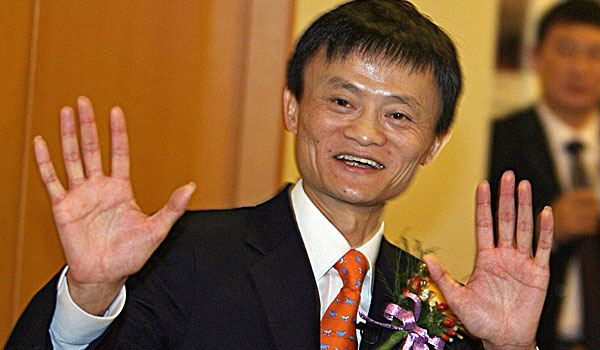
Jack Ma, founder of Alibaba Group.
Tokopedia will start to think globally
Indonesia is the fourth most populated country in the world with more than 250 million people and an internet penetration of roughly 20 percent. The archipelago’s ecommerce sales stand at an estimated US$1-3 billion per year at present, according to The Financial Times, which also projects the country to reach US$10 billion in online spending by the end of 2015 (although this projection was made before Tokopedia’s annoucement). It claims Indonesia’s ecommerce market is fast becoming one of Asia’s most attractive destinations for investors. The data is pretty interesting, but let’s take a moment to compare Indonesia’s local market to those in China and India.
China’s has an internet penetration rate of nearly 47 percent amongst its huge populace. China’s ecommerce spending is projected to hit US$360 billion by 2015, and that’s just on sites like Alibaba’s Tmall and Amazon. Come 2020, KPMG expects China’s local ecommerce market to be larger than those of the US, Britain, Japan, Germany, and France combined.
India’s population clocks in at just over 1.2 billion people, making it the second most populated nation. Its internet penetration is at nearly 20 percent right now. The size of its ecommerce market is set to reach US$20 billion next year, which is nearly double the nation’s 2013 tally. By 2020, ecommerce in India is expected to hit somewhere around US$50-70 billion, according to a joint report of KPMG and the Internet and Mobile Association of India.
While Indonesia’s local market is sizable, Tokopedia will need to create a global strategy to penetrate markets other than just its own if it hopes to join the ranks of Alibaba or Amazon. Having India-based Sequoia Capital and Japan-based SoftBank as partners is a strategic leg up for Tokopedia, as the firm will surely need help to enter fresh territories and navigate regulations in neighboring countries.
Seqouia and SoftBank come with priceless strategic value





Stay updated on the go with our mobile app.
Get latest insights with smoother, more personalized experience through TIA mobile app.









📅 Upcoming Events
22 October 2026
Payoneer x CSPN Summit 2026