Malavika Velayanikal · · 3 min read
After Delhi and Hyderabad, it’s Mumbai’s turn to log out of taxi apps. And Uber gets sued in California too
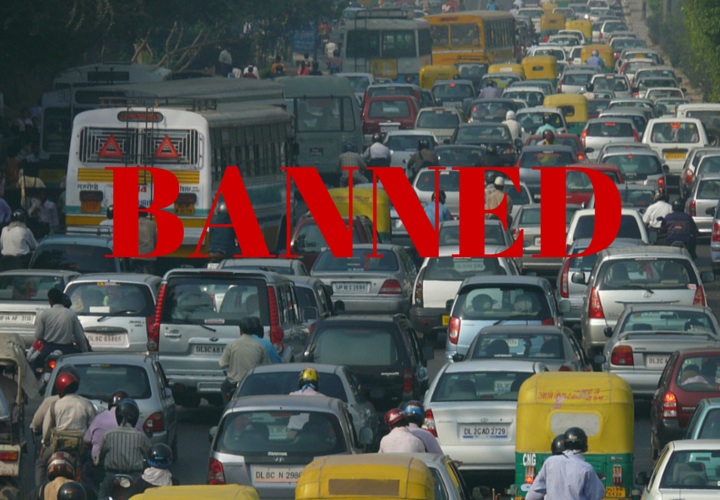
Taking a cue from the central government’s advice to states, Maharashtra has decided to ban Uber and other taxi apps until they get licences. This means Uber cabs will go off the roads in India’s two most populous cities, Delhi and Mumbai, apart from Hyderabad. The remaining eight cities in which Uber operates in India may follow suit soon.
It’s been four days since the arrest of an Uber driver in Delhi for raping a young woman in his cab, and the pressure is mounting on the American company to work out a better way of running its app in India. And in a double whammy, Uber has just got sued in the US on similar concerns about its driver screening as those being expressed in India.
“Orders have been issued to the Transport Commissioner to stop all the web-based cab booking services. He will take the required action immediately,” S K Sharma, transport secretary of Maharashtra, the state where Mumbai is the capital, told Press Trust of India.
How quickly the ban can be implemented isn’t certain, because Uber continued to run in Delhi and Hyderabad for a while after the bans there. The transport department relies on the traffic police to enforce the ban. As for Uber, it initially refused to shut the app, expressing concern for drivers who rely on it. “We are still trying to get the details of the ban. Though we respect the government and its rules and regulations, we are also committed to our drivers and will continue to support them as their livelihood depends on Uber. They have to feed their families and we cannot abandon them at this time of need,” Uber’s operations head for South Asia, Allen Penn told Indian Express in New Delhi on Tuesday. But now, three days after the ban, users can’t book Uber cabs in Delhi.
Delhi police’s case against Uber for the moment is one of cheating customers, because it claimed to be screening its drivers whereas the ground reality was very different. This is what the Uber website tells its users:
Every ride-sharing driver is thoroughly screened through a rigorous process we’ve developed using constantly improving standards. The specifics vary depending on what local governments allow, but within each city we operate, we aim to go above and beyond local requirements to ensure your comfort and security.
Why should Uber be exempt from regulations?
Interestingly, just yesterday Uber was sued by district attorneys in its home city of San Francisco. Similar suits have been filed in two other American cities, Los Angeles and Portland.
The law suit is the same as that in the Delhi police FIR (first information report) – it accuses the company of misrepresenting the extent to which it screens its drivers. Uber has resisted fingerprint identification of its drivers, which is a requirement for regular taxis in California. This makes it easier for criminals to become Uber drivers with false claims or assumed identities. An Uber driver, who struck and killed a six-year-old girl in the Bay Area on New Year’s Eve last year, had a criminal record of reckless driving, which the Uber screening missed. Several such instances were listed in the suits against Uber.
At the same time, the district attorneys themselves acknowledge the usefulness and validity of the Uber model. Their contention is that Uber can very well run a successful business, without compromising on safety or bypassing and even opposing compliance with simple regulations meant to protect citizens.
In a television interview to CNN Money, San Francisco district attorney George Gascon says: “I believe that innovation and consumer protection are not mutually exclusive. The business model that Uber, Lyft, and others have is quite good. I don’t have a problem with that. I think the regulations they have to follow [which they aren’t presently] are plain vanilla, certainly nothing that will impact their ability to be very profitable.”
As a taxi app, Uber claims it only connects drivers with customers without assuming liability for anything that goes wrong. This is now disputed with various authorities insisting that Uber be subjected to regulations, just like any other taxi service.





Stay updated on the go with our mobile app.
Get latest insights with smoother, more personalized experience through TIA mobile app.