Jum Balea · · 3 min read
Why mobile payments in Southeast Asia are about to take off
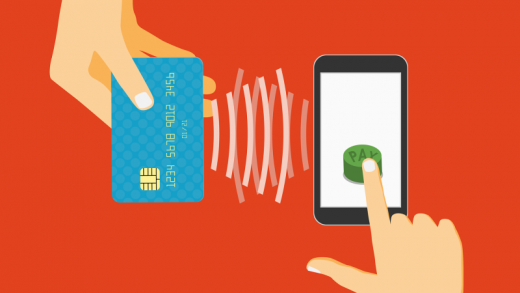
More and more players are entering the mobile payments space in Southeast Asia yet most consumers aren’t biting. That’s about to change, says global market research firm Forrester.
If you’re operating in this space, we’ve outlined the trends in mobile payments you should closely be watching, and some advice from Forrester about how to increase your chances of succeeding.
But first: know that there’s a huge opportunity
In a report, Forrester said online and mobile-based purchases in Southeast Asia are expected to exceed US$22 billion in 2015. Imagine if you’re able to capture even a small portion of that pie. That number will increase, albeit gradually, over the next few years, due to several factors.
First, more consumers are buying digital content via their smartphones. Forrester estimates that the base of smartphones – the first and only way for many people to access the internet – will reach 175 million in Southeast Asia this year and grow to 230 million by 2017. What’s the key driver of mobile payments made through this device? Gaming. The mobile gaming industry is seen to rake in over US$7 billion in revenue by 2019.
Second, mcommerce will support growth in payments over time. Firms are boosting their investments in online and mobile marketplaces such as Carousell in Singapore and Tarad in Thailand, says Forrester. On Tarad, specifically, 35 percent of purchases are made via mobile.
Third, governments have rolled out policies to encourage mobile payments. For instance, the Malaysian government has committed over US$240 million to the Domestic Investment Strategic Fund for the development of new financial products, while the Monetary Authority of Singapore allotted some US$160 million to grow the country’s fintech industry. We should expect alternative payment methods to spring up over the coming years.
Now, what are mobile payments being used for?
In emerging markets, it’s largely peer-to-peer (P2P), and the focus is on remittances. The Philippines has continuously recorded growth in remittances, which, as of 2014, stood at US$28 billion. Filipino migrant workers across the globe used to be dependent on money transfer firms such as Western Union in sending money back home, but now they’re turning to telcos and fintech startups such as Xoom, Remitly, and MatchMove due to lower fees.
Cross-border mcommerce also accounts for a chunk of mobile payments in Southeast Asia. In Singapore, 55 percent of online consumers shop on their mobile phones, with a significant share of sales coming from cross-border orders, says Forrester. It’s the same story for Malaysia. Even the unbanked could make purchases on their phones. In Thailand, telcos such as True offer virtual cards, while in Indonesia, fintech startups like Codapay allow users to buy digital content via phone credit.
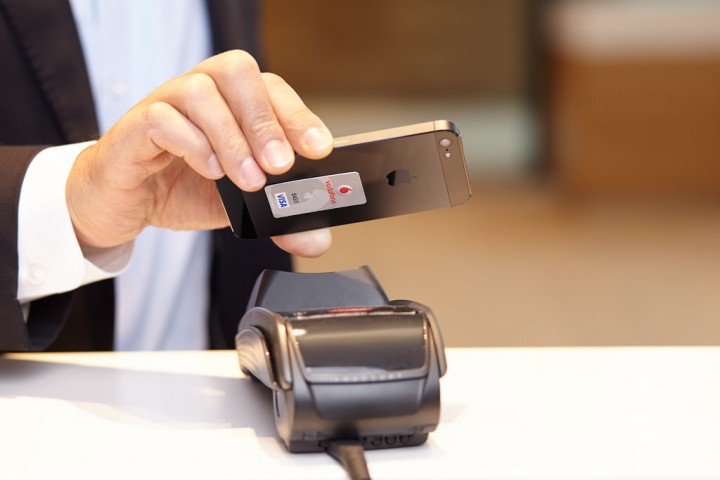
In the meantime, mobile payments at physical points-of-sale, such as those making use of near field communication, will take a while to catch on. “The mobile proximity payments market is still far from the breakthrough point due to the lack of merchant buy-in and widespread merchant acceptance across Southeast Asia,” Forrester explains.
Not all mobile payments solutions will succeed
Forrester says any success in mobile payments will ultimately depend on how better your solution is than existing ones in terms of simplicity, speed, security, and costs. Take the case of P2P payments. They allow people to send and receive money instantly, therefore eliminating the need to go to the bank to deposit cash or check.
One hurdle to also overcome is the chicken-and-egg problem of consumers adopting a payment system that’s widely accepted by merchants, and vice versa. Forrester’s advice: “Enable ‘must-have’ transactions that persuade consumers to sign up in the first place or kickstart network effects by creating interoperability with other systems to reach critical mass faster.”





Stay updated on the go with our mobile app.
Get latest insights with smoother, more personalized experience through TIA mobile app.