- Insights This article was written by a TIA community member. Insights pieces undergo the same rigorous editorial process that newsroom-produced articles have.
 Matt Walker · · 6 min read
How China’s AI surge defies US spending power
Creators of all types have been griping for years about the aggressive, often illegal tactics used by the big US-based AI model developers to train their models.
Whether it’s OpenAI allegedly using datasets with pirated books, Meta, X, OpenAI, and Microsoft all reportedly using copyrighted music to train their models, or Anthropic allegedly scraping Reddit, they all seem to have been implicated in some way.
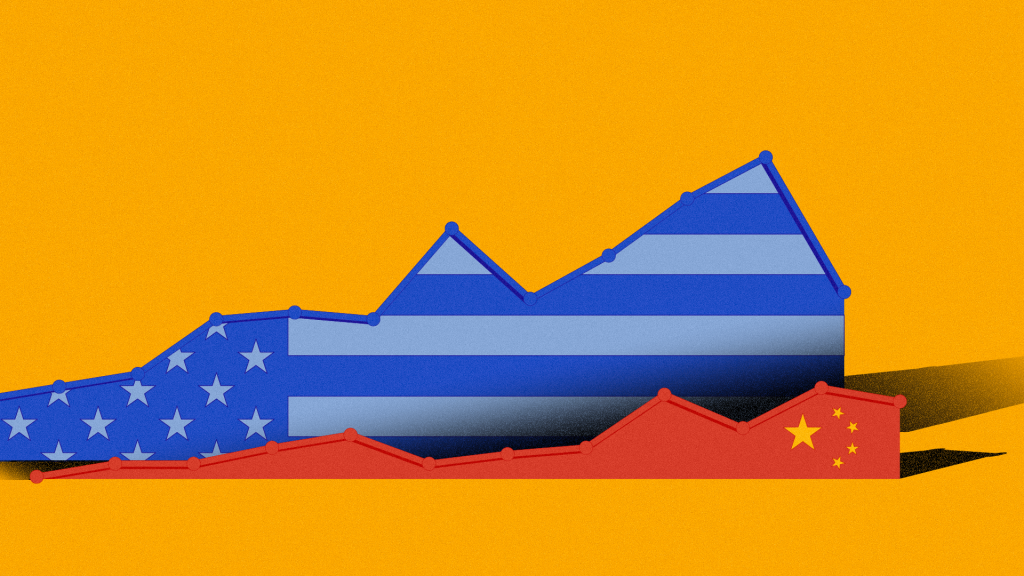
Image credit: Timmy Loen
Yet now these same big tech players are complaining that China’s AI industry is stealing their stuff. The irony is that while hypocritical, the complaints are also increasingly beside the point.
While US hyperscalers are spending hundreds of billions to build AI moats, China’s developers are advancing on a fraction of the budget. The data shows Chinese developers are doing more with less via capex discipline and model efficiency.
Capex explosion comes with ROI expectations
Capital expenditure (capex) by the big US-based hyperscalers has exploded in recent quarters and promises to go further skyward in 2026.
For the 12 months ended the third quarter of 2025, for instance, the hyperscale sector saw its free cash flow margins plummet to an industry-wide average of 12.8%, an all-time low.
The dip is due to soaring capex, which hit US$450 billion over 12 months that quarter and is poised to reach US$600 billion in 2026. The dip is not the end of the world, as long as it delivers growth, though so far, there are few signs of a dramatic AI-related revenue pickup that would pay for all this spending.
See also: Movers and shakers in Southeast Asia’s genAI space
Some seemingly expect there to be a “winner takes all” outcome in this market, just as Google dominates search and Apple dominates smart devices. Hyperscaler CFOs are betting that all this capex is building a moat that will protect their market position for years to come.
Those bets look more and more like losers, as there is no obvious lock-in to the current models, with little brand loyalty from users. ChatGPT owned the market early on, but Gemini is catching up. And while some models are embedded in other platforms and/or corporate processes, this is nascent.
That lack of lock-in was obvious before China’s DeepSeek rolled out its first release, a bit over a year ago. Once it premiered, the world was shocked by what could be accomplished on the cheap.
Rumors flew that the model was built somehow using copied data, but the platform also had a legitimately different approach than the incumbents.
And now, a year or so later, China’s AI ecosystem has developed dramatically, despite limitations on chip access.
Leaner, meaner, and open-sourced
The Huawei case
Billions vs. millions
Stay ahead in Asia’s tech landscape
This is premium content. Subscribe to read the full story.
As capex for US hyperscalers hits record highs, China’s lean AI ecosystem is testing whether efficiency beats raw spending.
We know this is not ideal. ⌛ Sign up in 20 seconds. Cancel anytime.
Our subscriber community includes professionals from these companies:





Stay updated on the go with our mobile app.
Get latest insights with smoother, more personalized experience through TIA mobile app.










📅 Upcoming Events
22 October 2026
Payoneer x CSPN Summit 2026