- Premium Content It takes our newsroom weeks - if not months - to investigate and produce stories for our premium content. You can’t find them anywhere else.
 Samreen Ahmad · · 6 min read
Singapore losing appeal among India’s tech companies as a domicile
That’s how much Walmart paid in taxes to redomicile its fintech company, PhonePe, from Singapore to India in 2023. This process is known as a reverse flip, and it is trending among Indian startups looking to list on domestic stock exchanges.
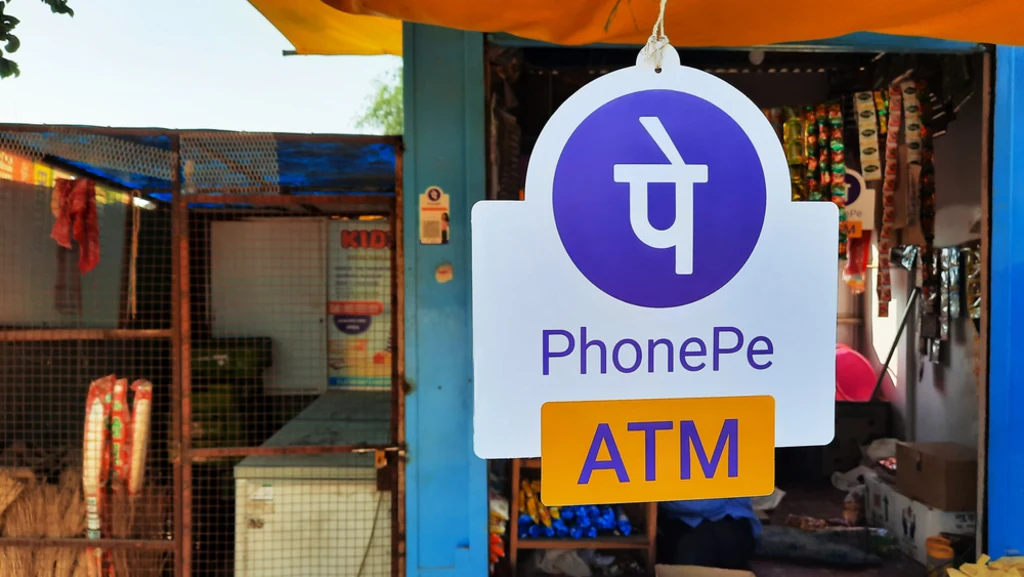
Photo credit: PhonePe
Despite facing sizable tax liabilities, at least six startups that mainly operate in India are currently considering relocating their headquarters there. Meanwhile, nearly 20 unicorns and their investors have inquired about reverse flipping.
So do companies need to be headquartered in India for an IPO?
The listing rules do not say so. However, Rahul Charkha, a partner at Economic Laws Practice, tells Tech in Asia that “a company contemplating to list on Indian stock exchanges should have a separate legal entity in India.”
As the country’s IPO market booms, startups are opting to reverse flip to seize opportunities in the domestic market, leverage local advantages, and drive value creation.
The combined value of shares listed on India’s exchanges recently reached US$4.3 trillion, making the country the fourth-largest equity market globally and positioning it as “an alternative to China.”
Changing attitudes
Among the companies eyeing an IPO in India is fintech major Razorpay, which aims to do so in the next two years.
“The Indian market has shown its strength in the past 10 years, which gives us the confidence to list here,” says Razorpay co-founder and CEO Harshil Mathur.
New-age tech companies like Zomato and PolicyBazaar, which have recently debuted on the country’s stock exchange, have achieved profitability only after listing, demonstrating the strength of their business models and the potential of the India market.
Beauty ecommerce platform Nykaa, which was already profitable before its IPO in November 2021, has seen its profit nearly double year on year for the December quarter in 2023.
This was not the case a decade ago. “Ten years back, there was a notion that if you’re an unprofitable startup, you can’t go public in India,” says Ashwin Damera. His company, edtech player Eruditus, is “considering domiciling back to India from Singapore.”
To list, companies used to look for alternative locations such as the US, which has the most tech investor expertise and deepest pools of capital globally.
Tax implications
Takeaways for SEA
Stay ahead in Asia’s tech landscape
This is premium content. Subscribe to read the full story.
Driven by favorable market conditions and homeground advantage, Indian startups are returning to their native country to set up their headquarters.
We know this is not ideal. ⌛ Sign up in 20 seconds. Cancel anytime.
Our subscriber community includes professionals from these companies:





Stay updated on the go with our mobile app.
Get latest insights with smoother, more personalized experience through TIA mobile app.