- Premium Content It takes our newsroom weeks - if not months - to investigate and produce stories for our premium content. You can’t find them anywhere else.
 Thu Huong Le · · 9 min read
The hunt is still on for Vietnam’s next Flappy Bird
About six years ago, Flappy Bird’s global success catapulted Vietnamese indie game developer Nguyen Ha Dong to unprecedented fame and scrutiny.
At its peak in February 2014, Flappy Bird topped the charts in more than 100 countries, racked up 50 million downloads, and reportedly earned its creator US$50,000 a day — with zero marketing. The game’s eventual demise — when Dong took it down that same month in 2014 — baffled everyone.
Since then, it has become an inspiration to a generation of Vietnamese developers who have suddenly realized that there is a viable alternative to the usual software outsourcing career.
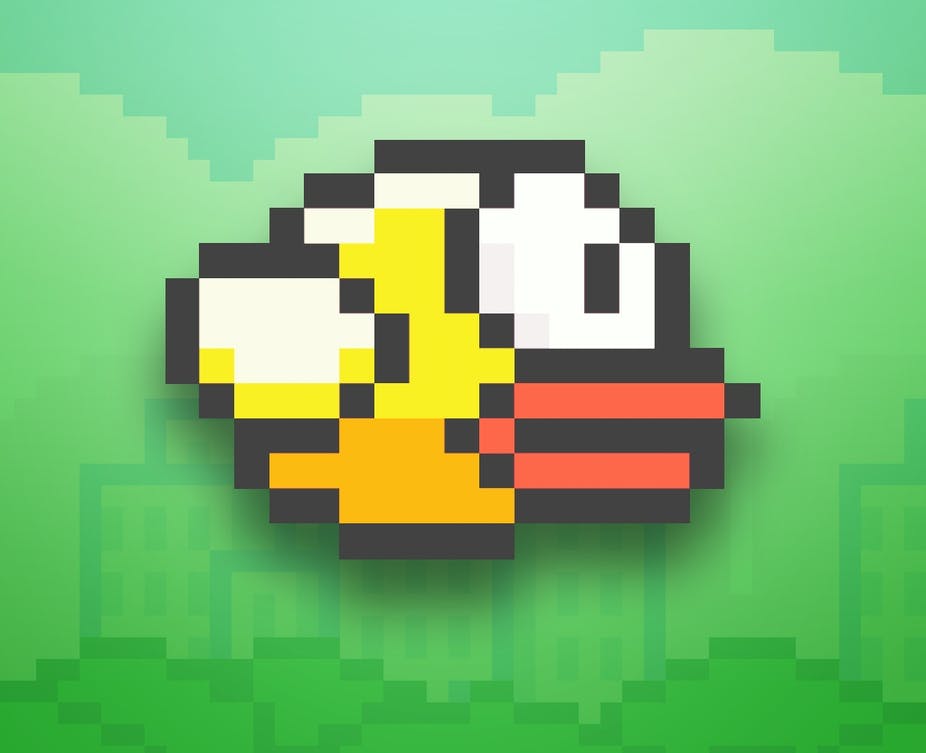
Flappy Bird was a global sensation in 2014. Its simplicity also made it a favorite of cloners.
As of now, Vietnam’s only tech unicorn is game publisher and entertainment giant VNG. However, the country’s thriving indie gaming sector, consisting of small to mid-sized game startups, is not content with just publishing foreign game titles.
Capitalizing on a talented pool of software and app developers, these companies are now aiming to make global hits from their home ground — but in a more sustainable way than the one-hit wonder Flappy Bird.
In Southeast Asia, online games could be seeing stronger traction due to the Covid-19 pandemic, resulting in the growth of active and paid user bases in the region, according to management consulting firm RedSeer.
Four publishers from Vietnam were listed in App Annie’s latest ranking of the top mobile publishers from Southeast Asia.
The firm estimates that both active and paid users for online games in ASEAN countries have increased from the first quarter to the second quarter of this year: active users grew by 25% to 30% and paid users by 35% to 45%.
Vietnam is no exception. Asian consulting firm Dezan Shira and Associates suggests that “Covid-19 has reignited an interest in Vietnam’s already growing online gaming industry.” Notably, four publishers from Vietnam (VNG, Amanotes, OneSoft, and BACHA Soft) were listed in App Annie’s latest ranking of the top mobile publishers from Southeast Asia.
While Chinese companies made 69% of the multiplayer online games released in Vietnam, Dezan Shira and Associates believes investment opportunities do exist in other niches. These include locally developed casual games – the kind of games that are easy to play but hard to master – just like the once highly addictive Flappy Bird.
The second coming that wasn’t
Like the Flappy Bird creator, Giang Nguyen was also unprepared for the global stage. Giang founded Diffcat studio in Ho Chi Minh City in 2016 with the mission to create fun and motivational games. In 2017, his small team worked for three months on FaceDance Challenge, which later that year went viral across many Asian countries and was downloaded more than 10 million times.
Featured by Mashable, FaceDance Challenge uses facial recognition technology to allow players to score points by mimicking emojis that are shown on screen. It was poised to become the second Flappy Bird.
There’s a solution
Stay ahead in Asia’s tech landscape
This is premium content. Subscribe to read the full story.
Flappy Bird’s unprecedented success six years ago has inspired a generation of Vietnamese game developers, but do they have what it takes to compete globally?
We know this is not ideal. ⌛ Sign up in 20 seconds. Cancel anytime.
Our subscriber community includes professionals from these companies:





Stay updated on the go with our mobile app.
Get latest insights with smoother, more personalized experience through TIA mobile app.









📅 Upcoming Events
22 October 2026
Payoneer x CSPN Summit 2026