- Premium Content It takes our newsroom weeks - if not months - to investigate and produce stories for our premium content. You can’t find them anywhere else.
 Melissa Goh · · 10 min read
Why did HungryGoWhere go nowhere?
When food portal HungryGoWhere announced its impending closure in July, the doors shuttered on an era marked by the 15-year run of one of Singapore’s earliest food and beverage (F&B) platforms.
HungryGoWhere was a household name among a nation of foodies and restaurant-goers. Through its community of food reviewers, restaurant discovery feature, and dining deals, the platform initially sought to answer the question of what to eat or “Hungry, go where?” in the colloquial parlance.
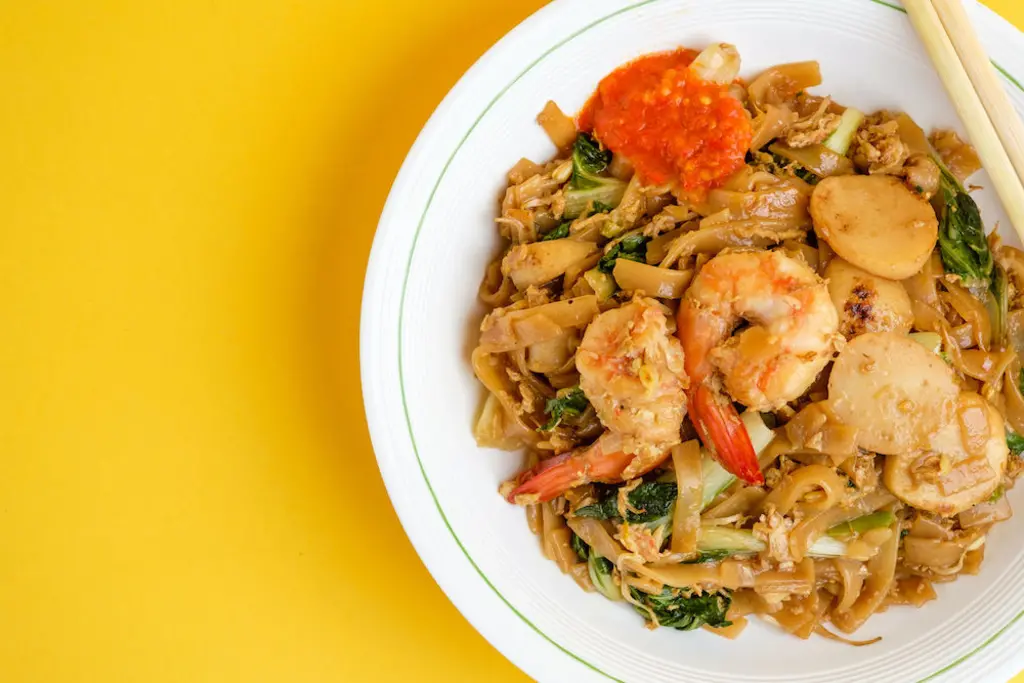
Photo credit: 123rf / Hendra Su
But the F&B company, which was acquired by telecommunications conglomerate Singtel for S$12 million (US$9.04 million) in 2012, has struggled to stay relevant in recent years.
HungryGoWhere once harbored ambitions of being the OpenTable of Asia. If the startup ecosystem were more mature back then, it might have stood a chance.
But it was not to be.
According to industry observers and former HungryGoWhere executives who spoke to Tech in Asia, this was a result of several factors: a lack of venture funding, a change in the way food-related content is consumed, rising competition in an already-crowded market, and a focus on profitability over growth.
Cream of the crop
HungryGoWhere was founded by Dennis Goh, Wong Hoong An, and Tan Yung Yih in 2006 – years before social media became mainstream – and quickly became popular as the go-to place for food discovery.
“When we first started, we were ahead of everyone. In 2006, there were no smartphones – that’s how early we were. But precisely because we were so early, we were the only ones, and that’s how it rose very fast,” Goh tells Tech in Asia.
The platform’s rapid success spurred the subsequent entry of players like Chope and Burpple, which were seeking to emulate US-based apps Yelp and OpenTable.
Being acquired by Singtel in 2012 further propelled HungryGoWhere to the top spot. As part of the deal, HungryGoWhere merged with InSing.com, a lifestyle web portal that was wholly owned by the telco giant.
The first two to three years after the buyout were the “glory days,” according to Goh. “When we [got] sold, we were at least 50% of the market. It must have gone up by another 20%” after the sale, he says.
Singtel took HungryGoWhere’s early table reservations product and ran with it. “They had an early beta product of about six restaurants… we took that to over 800 restaurants,” says Matt Whittingham, who was CEO for HungryGoWhere and Singtel Digital Media between 2011 and 2016.
A tough nut to crack
The corporate cook spoiled the broth?
Stay ahead in Asia’s tech landscape
This is premium content. Subscribe to read the full story.
The once-popular food portal is no longer everyone’s cup of tea.
We know this is not ideal. ⌛ Sign up in 20 seconds. Cancel anytime.
Our subscriber community includes professionals from these companies:





Stay updated on the go with our mobile app.
Get latest insights with smoother, more personalized experience through TIA mobile app.








📅 Upcoming Events
22 October 2026
Payoneer x CSPN Summit 2026